

Class: primary Two
Term: Second Term
subject: Pre-vocational Studies
Curriculum Theme: Agricultural Science
Previous Lesson: Examples Of Ornamental Crops
Topic: Ornamental Crops
Content/Learning Area: Uses of Ornamental crops, What are Ornamental Crops?, Some of the major types of ornamental crops
Time Allocation: 40 minutes
Performance Objectives
By the end of the lesson, pupils should be able to:
- Cognitive Domain:
1. List three uses of ornamental crops.
2. Identify different types of ornamental crops.
- Affective Domain:
1.Express thankfulness for the beauty of ornamental crops.
- Psychomotor Domain:
1.Demonstrate the ability to identify different ornamental crops.
- Social Domain:
1. Participate actively in class discussions.
Reference Materials
- 9 – Years Basic education Curriculum
- Abuja educational Resource center Scheme of Work
- NAPPS National unified Scheme of Work
- Relevant Textbooks
Instructional Materials
To deliver this lesson, the teacher will use the following materials:
- Pictures of different ornamental crops
- Whiteboard or chart
- Markers
Rationale for the Lesson
understanding ornamental crops helps pupils appreciate nature’s beauty and the importance of plants in our surroundings.This knowledge is valuable for future gardening, landscaping, and environmental awareness.
Prerequisite/Previous Knowledge
The teacher will start by asking pupils what they know about plants and their beauty, then introduce the topic of ornamental crops, emphasizing their aesthetic value and importance.
Lesson Content
What are Ornamental Crops?
Ornamental crops are plants grown for their beauty, not for food or fiber. They make landscapes more attractive, offer shade, and attract helpful insects.
Some of the major types of ornamental crops:
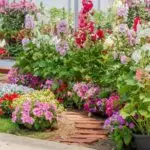
Ornamental crops come in various forms, each adding unique aesthetic value to landscapes and gardens. These include:
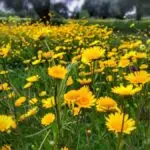
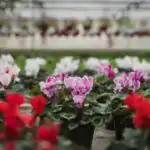
- Flowers: Roses, tulips, lilies, sunflowers, and hibiscus are examples of the many colorful, varied shapes and sizes of flowers.
- Shrubs: These smaller woody plants are used for hedges, borders, and screens. Azaleas, rhododendrons, hydrangeas, bougainvillea, and ixora are some examples.
- Trees: Large woody plants like maple, oak, pine, palm, and flamboyant trees offer shade, shelter, and beauty.
- Vines: Climbing plants such as ivy, clematis, honeysuckle, bougainvillea, and climbing roses cover walls and fences.
- Grasses: ornamental grasses like pampas grass, fountain grass, and zebra grass add texture and movement to landscapes.
Uses of Ornamental Crops
Ornamental crops serve several purposes beyond mere aesthetics, contributing to environmental health and human well-being. These include:
- Beautifying the Habitat: Flowers and plants make gardens, parks, homes, schools, and public spaces more attractive.
- Providing Oxygen: Ornamental plants, like all plants, produce oxygen, which is essential for human and animal life.
- Attracting Pollinators: They attract bees, butterflies, birds, and other beneficial insects, which help pollinate other plants.
- Cultural and Festive Decorations: they are used in celebrations, ceremonies, and festivals, adding beauty and meaning to these events.
- Educational Purposes: They teach about nature, plant life cycles, environmental care, and the importance of biodiversity.
- Erosion Control: Ground cover plants and shrubs help prevent soil erosion on slopes and embankments.
- Air Purification: Some ornamental plants can filter pollutants from the air,improving air quality in indoor and outdoor environments.
Teaching Methods
To deliver this lesson, the teacher will adopt the following methods: discussion, question and answer, Visual Aids
Instructional Procedures
To deliver this lesson, the teacher will adopt the following steps:
Step 1: Introduction (Set Induction)
Time: 5 minutes
Teaching Skill: Questioning
Teacher’s Activity: ask pupils about plants they know and their uses. Introduce the topic of ornamental crops.
Pupils’ Activity: Respond to teacher’s questions and listen attentively.
Step 2: Clarification of Key Concepts
Time: 10 minutes
Teaching Skill: Explaining
Teacher’s Activity: explain what ornamental crops are and their main characteristics.
Pupils’ Activity: Listen attentively and take notes.
Step 3: Exhibition/Guided Practice
Time: 10 minutes
Teaching Skill: Demonstrating
teacher’s Activity: Show pictures of different ornamental crops and discuss their features.
Pupils’ Activity: Observe the pictures and participate in discussions.
Step 4: Self-reliant Practice
Time: 5 minutes
Teaching Skill: Monitoring
Teacher’s Activity: Ask pupils to name three types of ornamental crops.
Pupils’ Activity: Answer the teacher’s questions.
Step 5: Note-Taking
Time: 5 minutes
Teaching skill: Guiding
Teacher’s Activity: Guide pupils in taking notes on the key concepts.
Pupils’ Activity: Write down vital points.
Step 6: Evaluation/Review
Time: 5 minutes
Teaching Skill: Assessing
Teacher’s Activity: Ask evaluation questions.
Pupils’ Activity: Answer the evaluation questions.
Objective-aligned checks:
- List three uses of ornamental crops.
- Identify different types of ornamental crops.
- Demonstrate the ability to identify different ornamental crops.
Step 7: Conclusion
Time: 5 minutes
Teaching Skill: summarizing
Teacher’s Activity: Summarize the key points about ornamental crops and their importance, emphasizing the beauty and benefits they bring to our environment. Assign a small homework activity, such as drawing their favorite ornamental plant.
Pupils’ Activity: Listen to the summary and note the homework assignment.
Lesson Keywords
- Ornamental Crops – Plants grown for their beauty rather than for food or other practical uses.
- Flowers – The colorful and often fragrant part of a plant that is used for decoration.
- Shrubs – Woody plants smaller than trees, often used for hedges and borders.
- trees – Large, woody plants that provide shade and beauty.
- Vines – Climbing plants that can cover walls and fences.
- Landscaping – The art of arranging plants and other features to create an attractive outdoor space.
Lesson Evaluation
To evaluate the learning, the teacher asks pupils to:
- What are ornamental crops and why are they grown?
- Name three types of ornamental crops and describe their features.
- list three ways ornamental crops benefit the environment.
Assignment/Homework
- Draw your favorite ornamental plant and label its parts.
- List five ornamental plants you can find in your neighborhood.
- Write a short paragraph explaining why ornamental crops are vital.
Differentiation
- For slower learners: Provide one-on-one assistance and use simpler language.
- For advanced learners: Encourage them to research additional types of ornamental crops and their uses.
- For visual learners: Use more pictures and diagrams.
- For auditory learners: Provide verbal explanations and encourage class discussions.
- For kinesthetic learners: Allow them to handle and examine real plant samples.
Note for Teachers
Ensure to bring real samples or pictures of various ornamental crops to make the lesson more engaging. Encourage pupils to share their personal experiences with ornamental plants in their homes or communities.
Community Join the conversation Open discussion +