

Class: Primary Two
Term: First Term
Subject: Pre-vocational Studies
Curriculum Theme: Agricultural Science
Previous Lesson: Examples of Some Local Vegetable Crops
Topic: Planting Vegetable Crop Seed
content/Learning Area: What is planting Vegetable crop Seed?, Steps in planting Vegetable Crop Seed, Identifying vegetable seeds, Steps in Planting, Caring for yoru Plants
Time Allocation: 40 minutes
Performance Objectives
By the end of the lesson, pupils should be able to:
- Cognitive Domain:
1. Identify vegetable crop seeds.
2. List the steps involved in planting vegetable crop seeds.
3. Explain the importance of caring for plants after germination.
- Psychomotor domain:
1. Demonstrate the steps of planting a seed.
- Affective Domain:
1. Show interest in planting and growing vegetables.
- Social Domain:
1. Work cooperatively with classmates during activities.
reference Materials
- 9 – Years Basic Education Curriculum
- Abuja Educational Resource center Scheme of Work
- NAPPS national Unified Scheme of Work
- Relevant Textbooks
Instructional Materials
To deliver this lesson,the teacher will employ the help of the following materials:
- Whiteboard or chart paper
- Markers or crayons
- Pictures of different vegetable seeds
- Sample vegetable seeds (optional)
- Small pots or containers (optional)
- Soil (optional)
Rationale for the Lesson
This lesson introduces pupils to the basics of planting,fostering an understanding of where food comes from and promoting healthy eating habits. It also lays a foundation for future lessons in agriculture.
Prerequisite/Previous Knowledge
The teacher will begin by asking pupils what they know about vegetables and where they come from. A brief discussion will follow, leading into the topic of planting seeds.
Lesson Content
What is Planting Vegetable Crop Seed?
Planting vegetable crop seeds involves putting seeds into the soil so they can grow into plants that produce vegetables. this is a key part of farming and gardening, letting us grow our own food.
Steps in Planting Vegetable Crop Seed
Identifying Vegetable Seeds
Identifying vegetable seeds involves recognizing different types of seeds before planting. Examples are:
- Beans
- Tomatoes
- Carrots
- Peppers
- Lettuce
- Okra
- Maize
choose seeds that will grow well in your area.
Steps in Planting
These are the general guidelines to follow when planting seeds:
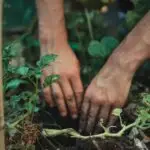
- Prepare the soil: Make the soil lose for good drainage and air. Add compost or fertilizer to help it.
- Make a planting hole: Use your finger or a small tool to make a shallow hole, about as deep as the seed.
- Place the seed: Carefully put the seed in the hole.
- Cover the seed: Cover the seed with soil, not too deep.
- Water the seed: Gently water the soil, keeping it moist.
- Provide sunlight: Put the pot in a sunny spot.
Caring for Your plants
These include:
- Watering: Water regularly, keeping the soil moist but not too wet.
- Sunlight: Make sure your plants get enough sun.
- Fertilizing: Add fertilizer every few weeks to help them grow strong.
- Weeding: Remove weeds that compete with your plants for nutrients.
- Pest Control: Protect your plants from pests and diseases.
Teaching Methods
To deliver this lesson, the teacher will adopt the following methods: Discussion, Exhibition, Question and Answer.
instructional Procedures
To deliver this lesson, the teacher will adopt the following steps:
Step 1: Introduction (set Induction)
Time: 5 minutes
Teaching Skill: Questioning
TeacherS Activity: Asks pupils what they know about vegetables and where they come from. Introduces the topic: Planting vegetable Crop Seeds.
Pupils’ Activity: Respond to teacher’s questions and listen attentively.
Step 2: description of Key concepts
Time: 10 minutes
Teaching Skill: Explanation
Teacher’s Activity: Explains the process of planting vegetable seeds, emphasizing the importance of each step.
Pupils’ Activity: Listen attentively and ask clarifying questions.
Step 3: Presentation/Guided Practice
Time: 10 minutes
Teaching Skill: demonstration
Teacher’s Activity: Demonstrates the steps of planting a seed (if materials are available). Guides pupils through the process.
Pupils’ Activity: Observe the demonstration and participate in guided practice (if materials are available).
Step 4: Independent Practice
Time: 5 minutes
Teaching Skill: Monitoring
Teacher’s Activity: Supervises pupils as they practice planting seeds (if materials are available). Answers individual questions.
Pupils’ Activity: Practice planting seeds (if materials are available).
Step 5: Note-Taking
Time: 5 minutes
Teaching Skill: Note-taking
Teacher’s Activity: Guides pupils in taking notes on the key steps of planting vegetable seeds.
Pupils’ Activity: Take notes on the key steps.
Step 6: Evaluation/Review
Time: 5 minutes
Teaching skill: Questioning
Teacher’s Activity: Asks review questions to assess understanding.
Pupils’ Activity: Answer review questions.
Objective-aligned checks:
- Identify vegetable crop seeds.
- List the steps involved in planting vegetable crop seeds.
- Explain the importance of caring for plants after germination.
Step 7: Conclusion
Time: 2 minutes
Teaching Skill: Summarizing
Teacher’s Activity: Summarizes the key points of the lesson.
Pupils’ Activity: Listen to the summary and ask any remaining questions.
Lesson Keywords
- Vegetable Seed – A seed that grows into a plant producing edible vegetables.
- Planting – The act of placing seeds in the soil to grow.
- Germination – The process by which a plant grows from a seed.
- Soil – The upper layer of earth in which plants grow.
- Sunlight – Light from the sun, essential for plant growth.
Lesson Evaluation
To evaluate the learning, the teacher asks pupils to:
- What are the steps involved in planting vegetable seeds?
- Why is it critically crucial to water your plants regularly?
- Name three examples of vegetable crop seeds.
- How do you care for plants after they sprout?
- Why is it critically important to choose seeds suitable for your climate?
assignment/Homework
- List five different types of vegetable seeds you can find in your home or local market.
- write down the steps involved in planting a seed.
- Explain why sunlight is important for plants.
Differentiation
- For slower learners: Provide one-on-one assistance and simplified instructions.
- For advanced learners: Encourage them to research different types of vegetable seeds and their growing conditions.
- For visual/auditory/kinesthetic learners: Use visual aids, verbal explanations, and hands-on activities to cater to different learning styles.
Note for Teachers
Ensure to bring real samples of vegetable seeds if available. Encourage pupils to participate actively by asking questions and sharing their experiences with planting. Adjust the pace of the lesson based on pupils’ understanding and engagement.


Community Join the conversation Open discussion +