

Class: Primary Three
Term: Second Term
Subject: Basic science and Technology
Curriculum Theme: Basic Technology
Previous Lesson:
Topic: Energy
Content/Learning Area: Chemical energy, Types of Chemical Energy, Examples of Chemical Energy in Action
Time Allocation: 40 minutes
Performance Objectives
By the end of the lesson, pupils should be able to:
- Cognitive Domain:
1. Define chemical energy.
2. Identify different types of chemical energy.
3. Explain how chemical energy is used in daily life.
- Psychomotor Domain:
1. Participate actively in group discussions.
2. Complete worksheet activities related to chemical energy.
- Affective Domain:
1. Show interest in learning about chemical energy.
2. Appreciate the importance of chemical energy in daily life.
- Social Domain:
1. Work collaboratively with peers in group activities.
2. Share ideas and participate respectfully in discussions.
Reference Materials
- 9 – Years Basic Education Curriculum
- Abuja Educational Resource Center Scheme of Work
- NAPPS National Unified Scheme of Work
- Online Details
- Relevant Textbooks
Instructional Materials
To deliver this lesson,the teacher will employ the help of the following materials:
- Whiteboard or chart paper
- Markers or crayons
- Pictures or diagrams illustrating chemical energy
- Worksheet with questions on chemical energy
Rationale for the Lesson
Understanding chemical energy is crucial for pupils to grasp fundamental scientific concepts. This lesson lays the groundwork for future learning about energy transformations and its applications in various fields.
Prerequisite/Previous Knowledge
Pupils are expected to have a basic understanding of what energy is.
Lesson Content
Chemical Energy
Chemical energy is a type of energy stored in the bonds of atoms and molecules. Its like hidden power waiting to be released! When thes bonds break, energy is released, often as heat or light. A battery is a good example; it stores chemical energy. When connected to a device, a chemical reaction releases this energy, powering the device.
Types of Chemical Energy
Chemical energy comes in various forms, each with its unique characteristics and applications. These include:
The following are examples of types of chemical energy:
- Food: Our bodies use the chemical energy in food to grow and function. Examples include carbohydrates, proteins, and fats.
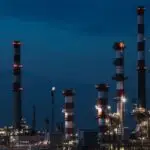
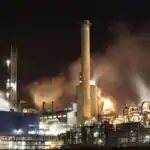
- Fuel: Fuels like wood, coal, and natural gas store chemical energy released by burning to produce heat or electricity. Other examples include kerosene, petrol, and diesel.
- Batteries: Batteries store chemical energy powering devices like phones and toys. Examples include alkaline batteries, lithium-ion batteries, and nickel-metal hydride batteries.
- Biomass: Organic matter like plants and agricultural waste can be burned or converted into biofuels, releasing stored chemical energy. Examples include firewood, corn, and sugarcane.
Examples of Chemical energy in Action
Chemical energy is utilized in numerous ways in our daily lives, powering various processes and devices. These include:
Examples are:
- Cooking: Cooking uses the chemical energy in fuel to produce heat. This can involve burning natural gas, wood, or using electric stoves that convert electrical energy derived from chemical sources into heat.
- Driving: cars use the chemical energy in gasoline to power their engines. The combustion of gasoline in the engine releases energy, which is then converted into mechanical work to propel the vehicle.
- Lighting: Some light bulbs use the chemical energy in electricity to produce light.Incandescent bulbs, such as, heat a filament until it glows, while fluorescent bulbs use electricity to excite gases that emit light.
- respiration: Our bodies use the chemical energy in food to perform various functions. The process of respiration breaks down glucose to release energy for activities like breathing, muscle movement, and maintaining body temperature.
Teaching Methods
To deliver this lesson, the teacher will adopt the following methods: Discussion, Group work, Question and answer, Visual aids
Instructional Procedures
To deliver this lesson, the teacher will adopt the following steps:
Step 1: Introduction
Time: 5 minutes
Teaching Skill: Questioning, explaining
Teacher’s Activity: Introduce the topic of chemical energy and ask pupils what they already know about energy.
Pupils’ Activity: Respond to teacher’s questions and share their prior knowledge.
Step 2: Clarification of Key Concepts
Time: 10 minutes
Teaching Skill: Explaining, illustrating
Teacher’s activity: Explain the definition of chemical energy using simple language and examples. Show pictures of batteries, food, and fuel.
Pupils’ Activity: Listen attentively and ask clarifying questions.
step 3: Exhibition/Guided practice
Time: 10 minutes
Teaching Skill: Demonstrating,guiding
Teacher’s Activity: Guide pupils through examples of chemical energy in action (cooking,driving,lighting).
Pupils’ Activity: Participate in discussions and provide examples.
Step 4: Self-reliant Practice
Time: 5 minutes
Teaching Skill: Monitoring, assessing
Teacher’s Activity: Distribute worksheets with questions on chemical energy.Pupils’ Activity: Complete the worksheet independently.
Step 5: Note-Taking
Time: 5 minutes
Teaching Skill: Summarizing, guiding
Teacher’s Activity: Summarize the key concepts of the lesson and guide pupils in taking notes.
Pupils’ Activity: Take notes on the key concepts.
Step 6: Evaluation/Review
Time: 5 minutes
Teaching Skill: Questioning, reviewing
Teacher’s Activity: Review the lesson by asking questions and discussing answers.
Pupils’ Activity: Answer questions and participate in discussions.
Objective-aligned checks:
- Define chemical energy.
- Identify different types of chemical energy.
- Explain how chemical energy is used in daily life.
Step 7: Conclusion
Time: 2 minutes
Teaching Skill: summarizing, concluding
Teacher’s Activity: Summarize the key concepts of the lesson and assign homework.
Pupils’ Activity: Listen attentively and note the homework assignment.
Lesson Keywords
- Chemical Energy – Energy stored in the bonds of atoms and molecules.
- Fuel – A substance that releases energy when burned.
- Battery – A device that stores chemical energy and converts it into electrical energy.
- Combustion – The process of burning something.
- Respiration – The process by which living organisms convert food into energy.
Lesson Evaluation
To evaluate the learning, the teacher asks pupils to:
- What is chemical energy?
- Give three examples of things that use chemical energy.
- how is chemical energy used in cooking?
- Why is chemical energy crucial?
Assignment/Homework
- List five examples of chemical energy in your home.
- Explain how a battery works in simple terms.
- Research and write a short paragraph on how plants use chemical energy.
Differentiation
- For slower learners: Provide one-on-one assistance and use simpler examples.
- For advanced learners: Encourage them to research and present additional examples of chemical energy.
- For visual/auditory/kinesthetic learners: Use visual aids, discussions, and hands-on activities to cater to different learning styles.
note for Teachers
Ensure to use real-life examples and visual aids to make the lesson engaging and understandable for primary three pupils. Encourage active participation and provide constructive feedback.
Community Join the conversation Open discussion +