

Class: Primary 3Term: Third Term
subject: Basic Science and technology
Previous Lesson: Objects That Use Mechanical Energy
Topic: Methods of Using Energy at Home
Content/Learning Area: What is Energy?,methods of using energy at home.
Time Allocation: 40 minutes
Performance Objectives
By the end of the lesson, pupils should be able to:
- Cognitive Domain:
1.List different methods of using energy at home.
2. Explain the importance of using energy efficiently at home.
- Affective Domain:
1. Appreciate the importance of conserving energy.
- Psychomotor Domain:
1. Demonstrate the ability to switch off appliances when not in use.
- Social Domain:
1. Discuss with peers how they use energy at home.
Reference Materials
- 9 – Years Basic Education Curriculum
- Abuja Educational Resource Center Scheme of work
- NAPPS National Unified Scheme of Work
- relevant Textbooks
Instructional Materials
To deliver this lesson, the teacher will use the following materials:
- Whiteboard or chart
- Markers or chalk
- Pictures of home appliances
rationale for the Lesson
Understanding how energy is used at home is crucial for developing responsible energy consumption habits, saving money, and protecting the habitat. This lesson lays the foundation for future learning about energy sources and conservation.
Prerequisite/Previous Knowledge
Pupils are familiar with common household appliances and their uses.
Lesson Content
What is Energy?
Energy is the ability to do work. It powers many things we use every day. It comes in different forms, like electricity, movement (mechanical energy), and heat.
Methods of Using Energy at Home
The following are areas and methods by which energy is used at home:
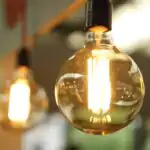
Lighting
We use electricity to light our homes.
Examples are:
- Bulbs
- Lamps
- Flashlights (torchlights)
- Fluorescent tubes
- LED lights
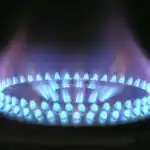
Heating
Energy heats water for drinks, cooks food, and irons clothes.examples are:
- Electric kettles
- Stoves
- Electric irons
- Microwave ovens
- Hot plates
Cooling
We use energy to cool our homes, especially when it’s hot.
Examples are:
- fans
- Air conditioners
- Refrigerators
- Freezers
- Air coolers
Entertainment
Energy powers our entertainment.Examples are:
- televisions
- Radios
- Game consoles
- DVD players
- Speakers
Cleaning
Energy powers appliances that help us clean. Appliances use energy to make our work easier.
Examples are:
- Vacuum cleaners
- Washing machines
- Electric brooms
- Dishwashers
- Electric mops
Teaching Methods
To deliver this lesson, the teacher will adopt the following methods: Question and answer, Discussion, exhibition (using pictures).
Instructional Procedures
To deliver this lesson, the teacher will adopt the following steps:
Step 1: Introduction
time: 5 minutes
Teaching Skill: Set Induction
Teacher’s activity: Asks pupils about their daily activities at home and what helps them perform those activities.
Pupils’ Activity: Respond to the teacher’s questions.
Step 2: Clarification of Key Concepts
Time: 10 minutes
Teaching Skill: Explanation
Teacher’s Activity: Explains the concept of energy and its various forms.
Pupils’ Activity: Listen attentively and ask clarifying questions.
Step 3: Demonstration/guided Practice
Time: 10 minutes
Teaching Skill: Demonstration
Teacher’s Activity: Shows pictures of different home appliances and explains how they use energy.
pupils’ Activity: Observe the pictures and participate in discussions.
Step 4: Self-reliant Practice
Time: 5 minutes
Teaching Skill: Guided Practice
Teacher’s Activity: asks pupils to list three appliances at home that use energy.
Pupils’ Activity: List three appliances.
Step 5: Note-Taking
Time: 5 minutes
Teaching Skill: Note-Taking
Teacher’s Activity: Guides pupils in taking notes on the key concepts.
Pupils’ Activity: Write down key points.
Step 6: Evaluation/Review
time: 5 minutes
Teaching Skill: Questioning
Teacher’s Activity: Asks evaluation questions.
Pupils’ Activity: Answer the evaluation questions.
Objective-aligned checks:
- List different methods of using energy at home.
- Explain the importance of using energy efficiently at home.
- Demonstrate the ability to switch off appliances when not in use.
Step 7: Conclusion
Time: 2 minutes
Teaching Skill: Summarizing
Teacher’s Activity: Summarizes the key concepts and encourages pupils to practice energy-saving habits at home.
Pupils’ Activity: Listen attentively.
Lesson Keywords
- Energy – The ability to do work.
- Electricity – A form of energy used to power appliances.
- Appliances – Devices that use energy to perform tasks.
- Conservation – Saving energy by using it wisely.
- Home – The place where one lives.
lesson Evaluation
To evaluate the learning, the teacher asks pupils to:
- Name three things in your home that use energy.
- Why is it vital to switch off lights when you leave a room?
- How does your family use energy at home?
- Suggest ways to save energy at home.
- Why should we use energy carefully?
Assignment/Homework
- List five appliances in your home and state the type of energy they use.
- Draw a picture of your favorite appliance and explain how it uses energy.
- Ask your parents for three ways your family can save energy at home.
Differentiation
- For slower learners: Provide one-on-one assistance and use simpler language.
- For advanced learners: Encourage them to research additional ways to save energy at home.
- For visual/auditory/kinesthetic learners: Use pictures, real objects, and hands-on activities to demonstrate energy use.
Note for Teachers
Ensure to use real-life examples and visual aids to make the lesson engaging and understandable for primary school pupils.Encourage class participation and provide positive reinforcement.
Community Join the conversation Open discussion +