

Class: primary Three
Term: Third Term
Subject: Basic Science and technology
Curriculum Theme: Basic Technology
Previous Lesson: Properties of Energy
Topic: Conversion of Energy
Content/Learning Area: Description of the concept of energy conversion, Identification of examples were electrical energy is converted to heat energy, Showing curiosity and interest in how everyday objects convert energy, Collaboration wiht peers in group activities to discuss examples of energy conversion in their habitat
Time Allocation: 40 minutes
Performance Objectives
By the end of the lesson, pupils should be able to:
- Cognitive Domain:
1. Explain the concept of energy conversion.
2. Identify examples of energy conversion in everyday objects.
3. Describe how different appliances convert energy.
- Psychomotor Domain:
1. participate actively in class discussions.
2. Work collaboratively with peers in group activities.
- Affective Domain:
1. Show curiosity and interest in energy conversion.
2. Appreciate the importance of energy in everyday life.
- Social Domain:
1.Collaborate effectively with peers.
2.Share ideas and participate in group discussions.
Reference Materials
- 9 – Years basic Education Curriculum
- Abuja Educational Resource center Scheme of Work
- NAPPS National Unified Scheme of Work
- Online Details
- Relevant Textbooks
Instructional Materials
To deliver this lesson, the teacher will use the following materials:
- Whiteboard or chart paper
- Markers or pens
- Pictures or diagrams of different appliances
- Examples of everyday objects that convert energy
Rationale for the Lesson
Understanding energy conversion is crucial for pupils to grasp basic scientific concepts. This lesson lays the groundwork for future learning in physics and engineering, fostering an appreciation for how energy powers our world.
Prerequisite/Previous Knowledge
The teacher will start by asking pupils what they remember from the previous lesson on the properties of energy. A brief review will be conducted, followed by introducing the concept of energy conversion using simple, relatable examples like a toy car.
Lesson Content
Conversion of energy
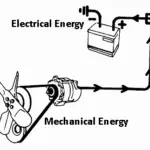
Energy conversion is the process where energy changes from one form to another. Think of it like changing clothes – the person is still the same, but their appearance changes. A battery-powered toy car is a great example.The battery holds chemical energy, which turns into electrical energy, then into mechanical energy to make the car move!
Some Common Examples of Energy Conversion
These include:
- Electric Iron: This changes electrical energy into heat energy to iron clothes.
- Toaster: Electrical energy is converted into heat energy to toast bread.
- Electric Car: Electrical energy is changed into mechanical energy to make the car go.
- Flashlight: Chemical energy from batteries is converted into light energy.
- Hair Dryer: Electrical energy is changed into heat and kinetic (movement) energy to dry hair.
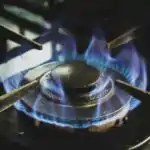
- Burning wood: Chemical energy in the wood turns into heat and light energy.
- Petrol Generator: chemical energy in the petrol is changed into mechanical energy, which then creates electrical energy.
- Solar Panel: Light energy from the sun is converted into electrical energy.
- A grinding machine: electrical energy is converted to mechanical energy to grind grains.
Teaching Methods
To deliver this lesson, the teacher will adopt the following methods: Discussion,Group work,Question and answer,Demonstration
Instructional Procedures
to deliver this lesson,the teacher will adopt the following steps:
Step 1: Introduction
Time: 5 minutes
Teaching Skill: Set Induction
Teacher’s Activity: Review previous lesson,introduce the topic of energy conversion using simple examples.
Pupils’ Activity: Participate in review, listen attentively to the introduction.
Step 2: Explanation of Key Concepts
Time: 10 minutes
Teaching Skill: Explaining, illustrating
Teacher’s Activity: Explain the concept of energy conversion using relatable examples, show pictures of appliances.
Pupils’ Activity: Listen attentively, ask questions for clarification.
Step 3: Demonstration/Guided Practice
Time: 10 minutes
Teaching Skill: Demonstrating,guiding
Teacher’s activity: Demonstrate examples of energy conversion using available materials,guide pupils through examples.
Pupils’ Activity: Observe demonstrations, participate in guided practice.
Step 4: Autonomous Practice
Time: 5 minutes
Teaching Skill: Monitoring, assisting
Teacher’s Activity: Assign group tasks, monitor pupils’ work, provide assistance.
Pupils’ Activity: Work in groups to identify examples of energy conversion.
Step 5: Note-Taking
Time: 5 minutes
Teaching Skill: Summarizing, guiding
Teacher’s Activity: Summarize key concepts, guide pupils in taking notes.
Pupils’ Activity: Take notes, ask clarifying questions.
Step 6: Evaluation/Review
Time: 5 minutes
Teaching Skill: Questioning, assessing
Teacher’s Activity: Ask evaluation questions, review key concepts.Pupils’ Activity: Answer questions,participate in review.
Objective-aligned checks:
- Explain the concept of energy conversion.
- Identify examples of energy conversion in everyday objects.
- Describe how different appliances convert energy.
Step 7: Conclusion
time: 5 minutes
Teaching Skill: Summarizing, concluding
Teacher’s Activity: Summarize the key concepts of energy conversion and encourage pupils to look for examples of energy conversion in their daily lives. Assign homework.
Pupils’ Activity: Listen to the summary, ask questions, and note the homework assignment.
Lesson Keywords
- Energy Conversion – The process of changing energy from one form to another.
- Electrical Energy – Energy derived from electric potential or kinetic energy of electrons.
- Heat Energy – A form of energy that transfers due to temperature difference.
- Mechanical Energy – The energy of an object due to its motion or position.
- Chemical Energy – Energy stored in the bonds of chemical compounds.
Lesson Evaluation
To evaluate the learning,the teacher asks pupils to:
- Name two appliances at home that use electricity to create heat.
- What happens inside a flashlight when you turn it on?
- Explain how a toaster uses energy conversion to work.
- Give an example of something that uses chemical energy to move.
- What is the rule about how much energy there is in the world?
Assignment/homework
- Draw and label three examples of energy conversion you see at home.
- Write a short paragraph explaining what energy conversion means.
Differentiation
- For slower learners: Provide one-on-one assistance and use simpler examples.
- For advanced learners: Encourage them to research additional examples of energy conversion and present their findings to the class.
- For visual/auditory/kinesthetic learners: Use visual aids, verbal explanations, and hands-on activities to cater to different learning styles.
Note for teachers
Ensure to use real-life examples and demonstrations to make the concept of energy conversion relatable and understandable for primary three pupils. Encourage active participation and questioning to foster a deeper understanding.
Community Join the conversation Open discussion +