

Class: Primary Three
Term: First Term
Subject: Basic Science and Technology
Curriculum Theme: Basic Technology
Previous lesson: Meaning of Technology and Examples of Technology
Topic: Technology
Content/Learning Area: Defining technology, Listing examples of technology products
Time Allocation: 40 minutes
Performance Objectives
By the end of the lesson, pupils should be able to:
- Cognitive Domain:
1.Define technology.
2. List five examples of technology products.
- Psychomotor Domain:
1. Identify technology in their surroundings.
- Affective Domain:
1. Appreciate the role of technology in daily life.
- Social Domain:
1. Discuss the impact of technology with peers.
Reference Materials
- 9 – Years Basic Education Curriculum
- Abuja Educational Resource Center Scheme of Work
- NAPPS National Unified Scheme of Work
- Relevant Textbooks
Instructional Materials
To deliver this lesson, the teacher will use a whiteboard or chart paper, markers, and relevant pictures or videos of technology.
Rationale for the Lesson
Understanding technology is crucial for navigating the modern world. This lesson provides a foundational understanding of technology, preparing pupils for future learning and real-world applications.
Prerequisite/Previous Knowledge
The teacher will start by asking pupils what they use every day that makes their lives easier. This will lead into a discussion about technology and its various applications.
lesson Content
Technology
Technology is the use of scientific knowledge to create tools, machines, or systems that solve problems or make tasks easier. It’s a big part of our world!
Examples of Technology
Technology is all around us. The following are some examples:
Interaction Devices
Smartphones, computers, and tablets help us communicate, play, and learn. Other examples include:
- Smartwatches
- Laptops
- iPads
Transportation
cars, buses, trains, and airplanes help us travel. Other examples include:
- Motorcycles
- Bicycles
- Tricycles
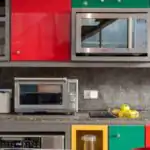
household Appliances
Washing machines, refrigerators, and microwaves make our chores easier. Other examples include:
- Electric kettles
- Blenders
- Electric Irons
Entertainment
Televisions, video games, and music players give us fun and relaxation.Other examples include:
- Radios
- DVD players
- Gaming consoles
Medical Technology
X-ray machines and other tools help doctors care for us. Other examples include:
- MRI scanners
- Ultrasound machines
- ECG machines
Educational Tools
Computers and projectors help us learn. Other examples include:
- Interactive whiteboards
- Tablets
- Educational software
Industrial Machines
Factories use machines to make things quickly. Other examples include:
- Assembly line robots
- Packaging machines
- Welding machines
Teaching Methods
To deliver this lesson, the teacher will adopt the following methods: Discussion, description, Question and Answer.
Instructional Procedures
To deliver this lesson, the teacher will adopt the following steps:
Step 1: introduction
Time: 5 minutes
Teaching Skill: Questioning
Teacher’s Activity: ask pupils about tools and devices they use daily.
Pupils’ Activity: Respond to the teacher’s questions,sharing examples.
Step 2: Explanation of Key Concepts
Time: 10 minutes
Teaching Skill: Explanation
Teacher’s Activity: Define technology and explain its importance.
Pupils’ Activity: Listen attentively and ask clarifying questions.
Step 3: Demonstration/Guided Practice
Time: 10 minutes
Teaching Skill: Demonstration
Teacher’s Activity: Show pictures or videos of various technologies.
Pupils’ Activity: identify and name the technologies shown.
Step 4: Independent Practice
Time: 5 minutes
teaching Skill: Guided Practice
Teacher’s Activity: Ask pupils to list examples of technology.
Pupils’ Activity: List examples of technology they use.
Step 5: Note-Taking
Time: 5 minutes
Teaching Skill: Note-Taking
Teacher’s Activity: Guide pupils in writing key points.
Pupils’ Activity: Write down key definitions and examples.
Step 6: Evaluation/Review
Time: 5 minutes
Teaching Skill: Questioning
Teacher’s Activity: Ask review questions.
Pupils’ Activity: Answer the review questions.
Objective-aligned checks:
- Define technology.
- List five examples of technology products.
- Identify technology in their surroundings.
Step 7: Conclusion
Time: 5 minutes
Teaching Skill: summarizing
Teacher’s Activity: Summarize the key concepts of technology and its importance.
Pupils’ Activity: Listen and ask any remaining questions.
Lesson Keywords
- Technology – The use of scientific knowledge to create tools and solve problems.
- Innovation – A new method, idea, or product.
- Devices – Tools or machines used for specific tasks.
- Appliances – Equipment designed for specific uses, especially in the home.
- Interaction – the process of conveying information.
Lesson Evaluation
To evaluate the learning, the teacher asks pupils to:
- What is technology?
- Name four examples of technology you use at home or school.
- Why is technology notable in our lives?
- Can you think of any other examples of technology that we did not discuss?
- How do you think technology will change our lives in the future?
Assignment/Homework
- List five different types of technology used in yoru community.
- Write a short paragraph about how technology has made your life easier.
- Draw a picture of your favorite technological device and label its parts.
Differentiation
- For slower learners: Provide one-on-one assistance and simpler examples.
- For advanced learners: Encourage them to research and present additional examples of technology.
- For visual/auditory/kinesthetic learners: Use visual aids, discussions, and hands-on activities to cater to different learning styles.
Note for teachers
Encourage pupils to think critically about the technology they use and its impact on their lives.Provide real-world examples to make the lesson more engaging and relevant.


Community Join the conversation Open discussion +