Class: Primary One
Term: First Term
Subject: Basic Science and Technology
Curriculum Theme: Basic Technology
Previous Lesson: Simple Machines in the House
Topic: Simple Machines on the Farm
Content/Learning Area: Simple Machines Found on the Farm and Their Uses
Time Allocation: 40 Minutes
Previous Lesson: Safety When Using Simple Machines On The Farm
Performance Objectives
By the end of the lesson, pupils should be able to:
Cognitive Domain:
-
List three or more simple machines used on the farm.
-
State the function of each simple machine.
-
Explain how simple machines make farm work easier.
Affective Domain:
-
Show interest and curiosity about tools used on farms.
Psychomotor Domain:
-
Identify and name simple machines from farm pictures or real tools.
Social Domain:
-
Participate actively and cooperate with others during class discussions.
Reference Materials
-
9-Year Basic Education Curriculum
-
Abuja Educational Resource Centre Scheme of Work
-
NAPPS National Unified Scheme of Work
-
Relevant Textbooks
-
Online Resources from: Types Of Simple Farm Tools (https://www.kofastudy.com/courses/ss1-agricultural-science-2nd-term/lessons/simple-farm-tools-uses-and-maintenance-week-6/topic/types-of-simple-farm-tools/)
Instructional Materials
-
Pictures or charts showing farm tools
-
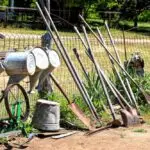
Real-life farm tools (e.g. hoe, rake, wheelbarrow, shovel, watering can)
-
Flashcards or drawings of farm scenes
-
Whiteboard and markers
Rationale for the Lesson
Farm work involves many tasks such as digging, planting, watering, and harvesting. Simple machines help farmers perform these tasks faster and with less effort. This lesson helps pupils recognize how simple tools used daily on farms are examples of simple machines.
Prerequisite/Previous Knowledge
Pupils already know the meaning of simple machines and have identified examples found in the home.
Lesson Content
Meaning of Simple Machines on the Farm
Simple machines on the farm are tools that farmers use to make farm work easier.
They help in digging soil, planting seeds, watering plants, cutting grass, and carrying loads.
Examples of Simple Machines on the Farm and Their Uses
The following are examples of simple machines on the farm and thier uses:
-
Hoe – used for digging and making ridges.
-
Cutlass – used for clearing grass and cutting small trees.
-
Rake – used for gathering leaves and leveling the soil.
-
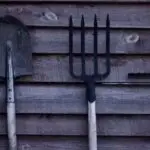
Spade – used for turning and lifting soil.
-
Shovel – used for packing sand or dirt.
-
Wheelbarrow – used for carrying soil, manure, and farm produce.
-
Watering can – used for watering crops.
-
Bucket – used for fetching and carrying water.
-
Hand fork – used for loosening the soil around plants.
-
Sickle – used for cutting grass and harvesting crops.
-
Garden trowel – used for planting small seedlings.
-
Hand hoe (small hoe) – used for weeding around plants.
-
Sprayer – used for applying water or chemicals on crops.
-
Axe – used for cutting firewood and thick branches.
Teaching Methods
Discussion, Question and Answer, Demonstration, Use of Pictures
Instructional Procedures
Step 1: Introduction (Set Induction)
Time: 5 minutes
Teaching Skill: Questioning, Stimulating Interest
Teacher’s Activity:
-
Ask pupils if they have visited a farm before and what tools they saw there.
-
Show a picture of a farm and point to the tools.
-
Introduce the lesson: “Today, we are learning about Simple Machines on the Farm.”
Pupils’ Activity: -
Respond to questions and share their experiences.
Step 2: Explanation of Key Concepts
Time: 10 minutes
Teaching Skill: Explaining, Illustrating
Teacher’s Activity:
-
Explain what simple machines on the farm mean (tools that help farmers work easily).
-
Display real tools or pictures and discuss their names and uses.
Pupils’ Activity: -
Observe pictures and listen attentively.
Step 3: Guided Practice
Time: 10 minutes
Teaching Skill: Demonstrating, Guiding
Teacher’s Activity:
-
Show actual farm tools or flashcards.
-
Ask pupils to identify them and describe what each is used for.
Pupils’ Activity: -
Name and describe the tools correctly.
Step 4: Individual Practice
Time: 5 minutes
Teaching Skill: Monitoring, Assessing
Teacher’s Activity:
-
Ask pupils to draw or mention any simple machine they have seen on a farm.
Pupils’ Activity: -
Draw or say the name of a tool and tell what it does.
Step 5: Note-Taking
Time: 5 minutes
Teaching Skill: Guiding, Summarizing
Teacher’s Activity:
-
Help pupils write a short note about examples and uses of simple machines on the farm.
Pupils’ Activity: -
Copy notes neatly.
Step 6: Evaluation/Review
Time: 5 minutes
Teaching Skill: Questioning
Teacher’s Activity:
Ask pupils the following:
-
What are simple machines on the farm?
-
Mention three examples of simple machines used on the farm.
-
What is a hoe used for?
-
Which tool helps farmers carry heavy loads?
-
How do simple machines make farm work easier?
Pupils’ Activity:
-
Answer orally.
Step 7: Conclusion
Time: 5 minutes
Teaching Skill: Reinforcing, Encouraging
Teacher’s Activity:
-
Summarize the main points and encourage pupils to observe farm tools when they visit a farm.
Pupils’ Activity: -
Share what they learned.
Lesson Keywords
-
Simple Machines on the Farm: Tools used on the farm to make work easier.
-
Lever: Helps to lift or move things (e.g., shovel, rake).
-
Wedge: Helps to cut or dig (e.g., hoe, cutlass, axe).
-
Wheel and Axle: Helps to carry loads (e.g., wheelbarrow).
-
Pulley: Helps to lift water from wells using ropes.
Lesson Evaluation
-
What are simple machines on the farm?
-
Mention four simple machines found on the farm.
-
What work does a hoe help a farmer to do?
-
How does a wheelbarrow make work easier?
-
Which simple machine helps to draw water from a well?
Assignment/Homework
-
Draw and label two simple machines found on a farm.
-
Ask your parents or guardians to name two tools they use on the farm and write their uses.
Differentiation
- For slower learners: Provide one-on-one assistance and use simpler language.
- For advanced learners: Encourage them to research other examples of simple machines and their uses.
- For visual/auditory/kinesthetic learners: Use pictures, demonstrations, and hands-on activities to reinforce learning.
Note for Teachers
Ensure to use real-life examples and visual aids to help pupils understand the concepts of simple machines. Encourage active participation and provide additional support to pupils who need it.