

Class: Primary One
Term: First Term
Subject: Basic Science and Technology
Previous Lesson: Uses of Simple Machines On The FarmCurriculum Theme: Basic Technology
Previous Lesson: Simple Machines on the Farm
Topic: Safety When Using Simple Machines on the Farm
Content/Learning Area: Safe Use of Simple Machines on the Farm
Time Allocation: 40 minutes
Performance Objectives
By the end of the lesson, pupils should be able to:
Cognitive Domain:
- Explain what it means to use simple machines safely on the farm.
- List at least four methods of using simple machines safely on the farm.
Affective Domain:
- Show understanding of the importance of safety rules.
- Value the importance of protecting oneself and others while working on the farm.
Psychomotor Domain:
- Demonstrate correct handling of farm tools using safe methods.
Social Domain:
- Work cooperatively with classmates when discussing safety practices.
- Communicate clearly about safety concerns during group work.
Reference Materials
- 9-Year Basic Education Curriculum
- Abuja Educational Resource Centre Scheme of Work
- NAPPS National Unified Scheme of Work
- Online Facts from 10 Essential Safety Measures for Handling Simple Machines (https://quizgecko.com/learn/safety-tips-for-using-simple-machines-uq5ja5)
- Relevant Textbooks
Instructional Materials
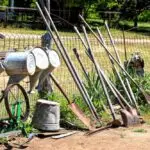
- Pictures or real samples of farm tools (hoe, cutlass, rake, wheelbarrow, watering can)
- Pictures or charts showing people using safety gear (gloves, boots, goggles, hat)
- Whiteboard or chart paper
- Markers or crayons
Rationale for the Lesson
Farm tools are simple machines that help us work easily, but they can cause injury if not used properly. This lesson teaches pupils how to handle them safely to prevent accidents and injuries while working or helping on the farm.
Prerequisite/Previous Knowledge
Pupils already know the meaning and examples of simple machines used on the farm from the previous lesson.
Lesson Content
Meaning of Safety When Using Simple Machines on the Farm
Safety when using simple machines on the farm means taking careful steps to protect yourself and others from harm while using farm tools like hoes, cutlasses, or wheelbarrows.
Methods of Using Simple Machines Safely on the Farm
- Wear protective gear such as gloves, boots, and hats to stay safe.
- Use each tool properly — do not play with or misuse farm tools.
- Do not carry sharp tools carelessly; hold them with care.
- Keep tools clean and in good condition after use.
- Avoid using broken or damaged tools.
- Do not use tools that are too heavy — ask an adult for help.
- Keep the farm area clear of stones, sticks, or slippery items.
- Always work under adult supervision.
- Store tools safely after work to prevent accidents.
- Be alert and careful when working around others.
Teaching Methods
Discussion, Question and Answer, Demonstration, Group Work
Instructional Procedures
Step 1: Introduction (Set Induction)
Time: 5 minutes
Teaching Skill: Questioning, Explaining
Teacher’s Activity:
- Ask: “Have you ever seen or used farm tools like hoes or cutlasses?”
- Lead pupils to discuss what can happen if tools are not used carefully.
- Introduce the topic: Safety When Using Simple Machines on the Farm.
Pupils’ Activity: - Share experiences and respond to teacher’s questions.
Step 2: Explanation of Key Concepts
Time: 10 minutes
Teaching Skill: Explaining, Illustrating
Teacher’s Activity:
- Explain what safety means and why it is important on the farm.
- Show pictures of people using tools safely and discuss each example.
Pupils’ Activity: - Observe, listen attentively, and ask questions.
Step 3: Demonstration/Guided Practice
Time: 10 minutes
Teaching Skill: Demonstrating, Guiding
Teacher’s Activity:
- Display or use pictures of farm tools.
- Demonstrate how to carry, use, and keep them safely (e.g., hoe, cutlass).
- Show how to wear gloves or boots properly.
Pupils’ Activity: - Participate by demonstrating or miming safe use of a tool.
Step 4: Individual Practice
Time: 5 minutes
Teaching Skill: Monitoring, Assessing
Teacher’s Activity:
- Ask pupils to name safety rules or demonstrate one safety action (like wearing gloves).
Pupils’ Activity: - Respond and demonstrate individually.
Step 5: Note-Taking
Time: 5 minutes
Teaching Skill: Guiding, Summarizing
Teacher’s Activity:
- Guide pupils to take short notes on safety practices.
Pupils’ Activity: - Copy notes correctly.
Step 6: Evaluation/Review
Time: 5 minutes
Teaching Skill: Questioning, Summarizing
Teacher’s Activity: Ask:
- What does it mean to be safe on the farm?
- Mention three safety rules when using farm tools.
- Why should we not play with sharp tools?
- What should we wear when working on the farm?
Pupils’ Activity:
- Answer questions orally.
Step 7: Conclusion
Time: 2–3 minutes
Teaching Skill: Summarizing, Encouraging
Teacher’s Activity:
- Summarize the key safety points.
- Encourage pupils to always be careful and ask adults for help.
Pupils’ Activity: - Listen and share what they learned.
Lesson Keywords
- Safety: Being careful to prevent harm or injury.
- Simple Machines: Tools that make farm work easier.
- Protective Gear: Clothes or equipment that keep us safe.
- Farm Tools: Simple machines used for farming.
- Supervision: When an adult watches and guides you to work safely.
Lesson Evaluation
- What does it mean to be safe on the farm?
- Mention four ways to use simple machines safely on a farm.
- Why should we wear boots and gloves on the farm?
- Why should children not use sharp tools without help?
- What should we do after using farm tools?
Observation:
Assess pupils’ participation in discussions, demonstrations, and responses.
Assignment/Homework
- Draw one simple machine used on the farm and show how to use it safely.
- Ask your parents to show you how they keep farm tools safe after use.
Differentiation
- For slower learners: Use simple language and more picture aids.
- For advanced learners: Ask them to identify more safety tools and share how they are used.
- For visual/auditory/kinesthetic learners: Use pictures, storytelling, and role-play demonstrations.
Note for Teachers
- Emphasize practical safety — not just talking about tools, but showing how to handle them.
- Use real-life or relatable examples (e.g., “What happens if you touch a cutlass carelessly?”).
- Reinforce the message that safety comes before work — “We must be careful before we are strong.”
- Encourage participation and praise correct demonstrations of safe habits.


Community Join the conversation Open discussion +