

Note for teachers using this lesson plan
This lesson introduces Senior Secondary 1 students to essential art materials, tools, and equipment, focusing on their identification, uses, and proper care. Teachers should prepare by gathering actual examples of common art items or high-quality visual aids to make the concepts concrete. Emphasise safety precautions when handling tools and demonstrate correct cleaning and storage techniques. By the end of the lesson, learners should be able to define, identify, and explain the uses of various art items, and understand the importance of their maintenance.
Class: SS 1
Term: First Term
Week: 10
Age: 15 years
Duration: 60 minutes
Subject: Visual Art
Curriculum Theme: Materials and tools
Focal competence: Using various materials, tools and equipment and storing them appropriately
Key competencies/values: Collaboration; Information Literacy; Responsibility; Problem Solving
Skills:
- Caring and maintaining tools and equipment
Previous Lesson: Traditional Nigerian Motifs, Contemporary Symbols in Art and Design
Topic: Art Materials, Tools And Equipment
Subject Matter: Meaning of Art Materials, Tools and Equipment, Explain art tools, Discuss art equipment, Care and maintenance of tools and equipment
Specific Objectives
By the end of the lesson, pupils/students should be able to:
Cognitive Domain
- Define art materials, tools, and equipment.
- Identify common art materials.
- Explain common art tools.
- Discuss the purposes of art tools.
- Discuss art equipment.
- Explain the importance of art equipment.
Affective Domain
- Appreciate the importance of proper care and maintenance of art items.
- Demonstrate responsibility in handling art materials, tools, and equipment.
Psychomotor Domain
- Demonstrate basic care and maintenance procedures for selected art tools and equipment.
Reference Materials
The following resources were used in planning this lesson:
- 2025 New Revised Senior Secondary Education Curriculum (SSEC)
- Relevant State Unified Scheme of Work
- The HeadTeacher Scheme of work For The New Revised Senior Secondary Education Curriculum (SSEC)
- A suitable Visual Art textbook for Senior Secondary 1
Instructional Materials
The teacher will teach this lesson with the aid of:
- Sample art tools (e.g., brushes, pencils, palette knives, carving tools)
- Sample art materials (e.g., drawing papers, clay, paints, charcoal, pastels, fabrics)
- Posters or slides showing various art materials, tools, and equipment
- Charts for classification of art items
- Sketchbooks
- Online resources (if available)
- Cleaning cloths, water, soap (for demonstration of care)
Rationale for the Lesson
This lesson is essential for Visual Art students as it provides foundational knowledge about the items used in art creation. Understanding the different types of materials, tools, and equipment, along with their proper care, ensures longevity of resources and promotes good studio practice. It also helps students develop a sense of responsibility and problem-solving skills in managing their art supplies.
Prerequisite/Previous Knowledge
Students should have basic knowledge of drawing and painting concepts from their Junior Secondary education and may have encountered some common art materials and tools in their daily lives.
Lesson Content/Board Summary
Art Materials, Tools And Equipment
Meaning of Art Materials, Tools and Equipment
Art materials, tools, and equipment are essential components used by artists to create artworks. They encompass everything from the raw substances that form the artwork to the implements used to manipulate these substances and the larger apparatus that facilitate the artistic process.
Art Materials
Art materials are the raw substances or consumables that an artist uses to create a work of art. These are often transformed or consumed during the creative process.
Common art materials include:
- Drawing Papers: Various types of paper (e.g., cartridge paper, watercolour paper, newsprint) used as a surface for drawing, painting, or printing.
- Clay: A natural, earthy material that is plastic when wet, allowing it to be moulded and shaped, and hardens when fired. Used in pottery and sculpture.
- Paints: Pigments mixed with a binder (e.g., oil, acrylic, watercolour, gouache) that are applied to a surface to create colour and imagery.
- Charcoal: A dry art medium made from burnt wood, used for drawing, sketching, and shading.
- Pastels: Sticks of powdered pigment and a binder, used for drawing and colouring, available in soft, hard, and oil forms.
- Canvas: A strong, durable fabric (usually cotton or linen) stretched over a wooden frame, used as a surface for oil or acrylic painting.
- Wood: A natural material used for carving, sculpture, or as a support for painting and construction.
- Metal: Materials like copper, brass, or aluminium used in sculpture, jewellery making, or printmaking.
- Fabrics: Textiles like cotton, silk, or wool used in textile art, collage, or as a base for painting.
Art Tools
Art tools are handheld implements that an artist uses to manipulate art materials. They are typically reusable and aid in applying, shaping, cutting, or refining the materials.
Common art tools and their purposes:
- Rulers: Used for measuring, drawing straight lines, and creating geometric shapes.
- Spatulas: Flat, flexible blades used for mixing paints, applying mediums, or sculpting clay.
- Brushes: Consist of bristles attached to a handle, used for applying paint, ink, or glue to a surface. They come in various shapes and sizes for different effects.
- Carving Tools: Instruments with sharp edges or points used to remove material from wood, stone, or linoleum in sculpture or printmaking.
- Palette Knives: Flexible metal blades with a handle, primarily used for mixing and applying thick paint to a canvas, creating texture.
- Scissors: Used for cutting paper, fabric, and other thin materials with precision.
- Pencils: Graphite encased in wood, used for drawing, sketching, and shading. They come in various hardness grades (H for hard, B for black/soft).
- Erasers: Used to remove pencil or charcoal marks from paper, available in different types like rubber, kneaded, or vinyl.
- Craft Knives/X-Acto Knives: Sharp blades used for precise cutting of paper, cardboard, or other materials in collage or model making.
- Callipers: Measuring tools used to determine the thickness or diameter of objects, especially useful in pottery and sculpture.
Art Equipment
Art equipment refers to larger, often stationary, apparatus or machinery that facilitates the creation of art. These are usually more complex and expensive than tools.
Common art equipment and their importance:
- Easels: Upright stands used to hold a canvas or drawing board at a comfortable working height and angle for painting or drawing. They provide stability and allow the artist to step back and view their work.
- Drafting Tables: Large, adjustable tables with a smooth surface, used for technical drawing, architectural plans, or large-scale artwork. Their adjustability allows for ergonomic working positions.
- Kiln: A high-temperature oven used for firing clay to harden it and make it durable (ceramics). Essential for pottery and ceramic sculpture.
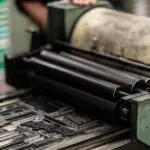
- Printing Press: A machine used to apply pressure to an inked surface resting on a print medium (like paper or fabric), thereby transferring the ink. Vital for printmaking techniques like etching, lithography, and letterpress.
- Pottery Wheel: A machine used to spin clay rapidly, allowing a potter to shape it into symmetrical forms (e.g., bowls, vases) through centrifugal force. Essential for wheel-thrown pottery.
- Light Box: A translucent surface illuminated from below, used for tracing, viewing slides, or inspecting transparencies. Important for detailed drawing and design work.
- Airbrush Compressor: Provides compressed air to an airbrush, which atomises paint for smooth, even application and fine detail work. Used in illustration, custom painting, and model making.
- Guillotine/Paper Cutter: A large machine with a sharp blade used for cutting large stacks of paper or cardstock precisely and efficiently. Important for preparing materials in graphic design and printmaking.
Care and Maintenance of Art Materials, Tools, and Equipment
Proper care and maintenance extend the lifespan of art supplies, ensure optimal performance, and prevent damage or injury.
General principles for care and maintenance:
- Cleaning:
- Brushes: Clean immediately after use with water (for water-based paints) or appropriate solvent (for oil paints) and soap. Reshape bristles and store them upright or flat.
- Palette Knives/Spatulas: Wipe clean of paint or clay immediately after use.
- Palettes: Scrape off dried paint and wash thoroughly.
- Pottery Tools: Clean off clay residue with water and a sponge.
- Storage:
- Paints: Store tubes tightly capped in a cool, dry place to prevent drying out.
- Papers: Store flat in portfolios or drawers to prevent bending, creasing, or damage from light and moisture.
- Pencils/Charcoal/Pastels: Store in cases or containers to prevent breakage and smudging.
- Tools: Store sharp tools safely in toolboxes or racks to prevent accidents and protect blades.
- Equipment: Cover large equipment like kilns, pottery wheels, and presses when not in use to protect from dust and moisture.
- Sharpening/Repair:
- Pencils: Sharpen with a good quality sharpener or craft knife.
- Carving Tools/Knives: Keep blades sharp using appropriate sharpening stones to ensure clean cuts and safety.
- Equipment: Follow manufacturer’s instructions for routine maintenance, lubrication, and minor repairs of machinery like pottery wheels or printing presses.
- Handling:
- Handle delicate materials and tools with care to prevent breakage or damage.
- Use tools only for their intended purpose to avoid strain or damage.
- Environment:
- Maintain a clean and organised studio or workspace to prevent loss or damage to items.
- Control temperature and humidity where possible, especially for sensitive materials like paper, wood, and clay.
Teaching Methods/Instructional Techniques
Discussion, Demonstration, Guided Practice, Question and Answer, Explanation, Observation, Practical Activity
Instructional Procedures
Step 1: Introduction
Time: 5 minutes
Teaching Skill: Activating Prior Knowledge
Teacher’s Activity: The teacher greets the students and asks them to name some items they use for drawing or painting. The teacher then introduces the topic: “Art Materials, Tools, and Equipment.”
Pupils’ Activity: Pupils respond by naming items like pencils, paper, crayons, etc.
Learning Point: Introduction to art items
Step 2: Meaning of Art Materials, Tools, and Equipment
Time: 10 minutes
Teaching Skill: Explanation/Definition
Teacher’s Activity: The teacher defines art materials, tools, and equipment, explaining the distinction between them using simple examples. The teacher writes the definition on the board.
Pupils’ Activity: Pupils listen attentively, ask questions for clarity, and attempt to define the terms in their own words.
Learning Point: Defining art items
Step 3: Identification and Explanation of Art Materials
Time: 10 minutes
Teaching Skill: Demonstration/Identification
Teacher’s Activity: The teacher displays various art materials (e.g., drawing papers, clay, paints, charcoal, pastels, fabrics) and guides students to identify and discuss their uses. The teacher highlights their characteristics.
Pupils’ Activity: Pupils observe the materials, identify them, and discuss their common uses based on their prior knowledge or observations.
Learning Point: Common art materials
Step 4: Explanation and Purposes of Art Tools
Time: 10 minutes
Teaching Skill: Explanation/Demonstration
Teacher’s Activity: The teacher presents various art tools (e.g., rulers, spatulas, brushes, carving tools, palette knives, scissors, pencils, erasers). The teacher explains each tool’s function and demonstrates its basic use where appropriate.
Pupils’ Activity: Pupils observe the tools and demonstrations, ask questions about their specific uses, and discuss their purposes.
Learning Point: Art tools and their uses
Step 5: Discussion of Art Equipment and their Importance
Time: 8 minutes
Teaching Skill: Discussion/Explanation
Teacher’s Activity: The teacher uses posters or slides to show examples of art equipment (e.g., easels, drafting tables, kiln, printing press, pottery wheel). The teacher discusses their functions and explains their importance in art creation.
Pupils’ Activity: Pupils observe the images, discuss the equipment, and contribute to explaining their importance.
Learning Point: Art equipment importance
Step 6: Care and Maintenance of Art Items
Time: 7 minutes
Teaching Skill: Demonstration/Guided Practice
Teacher’s Activity: The teacher demonstrates proper care and maintenance techniques for selected art materials and tools (e.g., cleaning brushes, sharpening pencils, storing paper). The teacher guides students to explore online resources on the use and management of art materials, tools and equipment, and engage in tools and equipment management.
Pupils’ Activity: Pupils observe the demonstrations, ask questions, and practice simple care techniques with available items.
Learning Point: Care and maintenance methods
Step 7: Evaluation/Review
Time: 5 minutes
Teaching Skill: Questioning/Assessment
Teacher’s Activity: The teacher evaluates the learning by asking the following questions:
- Define art materials, tools, and equipment.
- Name three common art materials and their uses.
- Explain the purpose of a palette knife and an easel.
- Why is it important to clean your brushes immediately after use?
Pupils’ Activity: Pupils answer orally and in writing.
Learning Point: Understanding art item management
Step 8: Note-Taking
Time: 10 minutes
Teaching Skill: Guided Writing
Teacher’s Activity: The teacher guides pupils/students to copy the essential Board Summary notes on art materials, tools, equipment, and their care into their notebooks.
Pupils’ Activity: Pupils/students copy the notes carefully into their notebooks.
Learning Point: Recording lesson notes
Step 9: Conclusion
Time: 5 minutes
Teaching Skill: Consolidation
Teacher’s Activity: The teacher summarises the key points of the lesson, re-emphasising the importance of understanding and properly caring for art materials, tools, and equipment for successful art creation. The teacher encourages students to apply these practices in their art studio work.
Pupils’ Activity: Pupils listen and ask any final questions for clarification.
Learning Point: Reinforcing art item knowledge
Continuous Assessment/Further Study
Type: Homework/Practice Exercise
Instruction: Answer the following questions in your notebook:
- List five art materials and state one artwork that can be created with each.
- Describe how you would care for your drawing pencils and sketchpad.
- Research and write a short paragraph on one piece of art equipment not discussed in class, explaining its function and importance.
Lesson Keywords
- Art Materials – Consumable substances used to create art, e.g., paint, clay, paper.
- Art Tools – Handheld implements used to manipulate art materials, e.g., brushes, pencils, spatulas.
- Art Equipment – Larger apparatus or machinery that facilitates art creation, e.g., easels, kilns, pottery wheels.
- Maintenance – The process of keeping something in good condition.
- Storage – The act of keeping something for future use.
Differentiation
Support: For students who struggle, provide simplified charts with images of art items and their basic names/uses. Pair them with more capable students for identification tasks. Focus on identifying the most common items and basic care steps.
Extension: Encourage advanced students to research the historical development of specific art tools or equipment, or to investigate the different types of materials used in a particular art form (e.g., printmaking materials). They can also demonstrate a more complex care routine for a specific tool.
Suggested Lesson Videos
For further understanding, students can search on YouTube for:

Community Join the conversation Open discussion +