

class: Primary Two
Term: Second Term
Subject: National Values Education
Curriculum Theme: Civic Education
Previous Lesson: Types of Community
Topic: Types of People in the community
Content/Learning Area: Identifying types of people found in the community, Listing the types of people living in the community
Time Allocation: 40 minutes
Performance Objectives
By the end of the lesson, pupils should be able to:
- Cognitive Domain:
1. Identify different types of people in their community.
2.List at least five types of people who live in their community and their roles.
3. Explain the importance of different people working together in a community.
- Affective Domain:
1. Show thankfulness for the contributions of different people in the community.
2. Develop a sense of community duty.
- Psychomotor Domain:
1. Actively participate in class discussions.
2. Write down the names and roles of community members.
- Social Domain:
1. Work cooperatively with peers during activities.
2. Respect the roles and contributions of others in the community.
Reference Materials
- 9 – Years Basic Education Curriculum
- Abuja Educational Resource Center Scheme of Work
- NAPPS National Unified Scheme of Work
- Relevant Textbooks
Instructional Materials
To deliver this lesson, the teacher will use a whiteboard or chart paper, markers, and pictures or drawings representing different community members.
Rationale for the Lesson
Understanding the diverse roles within a community fosters appreciation for teamwork and interdependence, crucial for responsible citizenship and social harmony.
Prerequisite/Previous Knowledge
Lesson Content
Types of People in the Community
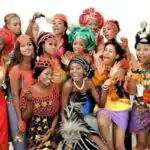
A community is a group of people living in the same area and sharing common interests.many different types of people live in our community, each with an vital role. Understanding these roles helps us appreciate how we all work together.
Examples of Community Members and Their Roles
These include:
- Teacher: Teaches students in schools, helping them learn and grow.
- Doctor: Cares for people’s health, treating illnesses and providing preventive care.
- police Officer: Maintains law and order, ensuring community safety. Their work is vital for peace.
- Firefighter: Responds to fires and emergencies, protecting people and property.
- Shopkeeper: Sells goods in stores, providing necessary items for the community.
- Farmer: Grows food and crops, providing essential food sources.
- Nurse: Assists doctors and cares for patients,providing medical support.
- Bus driver: Transports people, connecting different parts of the community.
- Mail carrier: Delivers mail and packages to homes and businesses.
- Construction Worker: Builds and maintains structures like houses and roads.
- Mechanic: Repairs vehicles, ensuring transportation systems function properly.
- Electrician: Installs and maintains electrical systems, providing power to homes and businesses.
Teaching Methods
To deliver this lesson, the teacher will adopt the following methods: Discussion, Question and Answer, Use of visual aids.
Instructional Procedures
To deliver this lesson,the teacher will adopt the following steps:
Step 1: Introduction
time: 5 minutes
Teaching Skill: Set Induction
Teacher’s Activity: Ask pupils to name people they see in their community.
Pupils’ Activity: Respond to the teacher’s questions.
Step 2: Description of Key Concepts
time: 10 minutes
Teaching Skill: Explaining
Teacher’s Activity: Define “community” and explain the different roles of community members.
Pupils’ Activity: Listen attentively and ask clarifying questions.
Step 3: Exhibition/Guided Practice
Time: 10 minutes
Teaching Skill: Modeling
teacher’s Activity: Show pictures of different community members and discuss their roles.
pupils’ Activity: Identify the people in the pictures and their roles.
Step 4: Autonomous Practice
Time: 5 minutes
Teaching Skill: Monitoring
Teacher’s activity: Ask pupils to list five community members and their roles.
Pupils’ Activity: Write down their answers individually.
Step 5: Note-Taking
Time: 5 minutes
Teaching Skill: Guiding
Teacher’s Activity: Guide pupils in summarizing key points on the board.
Pupils’ Activity: Copy the summary into their notebooks.
Step 6: Evaluation/Review
Time: 5 minutes
Teaching Skill: Assessing
Teacher’s activity: Ask review questions to assess understanding.
Pupils’ Activity: Answer the review questions.
Objective-aligned checks:
- Identify different types of people in their community.
- List at least five types of people who live in their community and their roles.
- Explain the importance of different people working together in a community.
Step 7: Conclusion
time: 5 minutes
teaching Skill: Summarizing
Teacher’s Activity: summarize the key points and assign homework.
Pupils’ Activity: Listen and note the homework assignment.
Lesson Keywords
- community – A group of people living in the same area.
- Roles – The jobs or functions people have in the community.
- Teacher – Educates students in schools.
- Doctor – Cares for people’s health.
- Police Officer – Maintains law and order.
Lesson Evaluation
To evaluate the learning, the teacher asks pupils to:
- Name three types of people in your community and what they do.
- What does a doctor do to help the community?
- Why is it important for different people to work together?
- Can you think of other people who live in our community and help us?
- How do shopkeepers help our community?
Assignment/Homework
- Draw pictures of different community members.
- Write a sentence about the role of each community member you drew.
Differentiation
- For slower learners: Provide one-on-one assistance and use simpler language.
- For advanced learners: encourage them to research and present additional examples of community members.
- For visual/auditory/kinesthetic learners: Use visual aids,discussions,and hands-on activities to cater to different learning styles.
Note for Teachers
Ensure to use real-life examples from the pupils’ immediate environment to make the lesson more relatable and engaging. Encourage pupils to appreciate the contributions of all community members, fostering a sense of unity and respect.
Community Join the conversation Open discussion +