

Class: Primary Two
term: Second Term
Subject: Pre-vocational Studies
Curriculum Theme: Agricultural Science
Previous Lesson: (This Must be left as “[previouslesson]”)
Topic: Uses of Fruit Crops
Content/Learning Area: What are Fruit Crops?, Uses of Fruit crops
Time Allocation: 40 minutes
Performance Objectives
By the end of the lesson, pupils should be able to:
- Cognitive Domain:
1. Identify and list three uses of fruit crops.
2. Explain the importance of fruit crops in daily life.
- Affective Domain:
1. Express appreciation for the importance of fruit crops in daily life.
- Psychomotor Domain:
1. participate actively in class discussions about fruit crops.
- Social Domain:
1. Collaborate with peers to discuss and share ideas about fruit crops.
Reference Materials
- 9 – Years Basic Education Curriculum
- Abuja Educational Resource Center Scheme of Work
- NAPPS national Unified Scheme of work
- Online Details
- Relevant Textbooks
Instructional Materials
To deliver this lesson,the teacher will use the following materials:
- Whiteboard or chart
- markers or chalk
- Pictures of different fruit crops
Rationale for the Lesson
Understanding the uses of fruit crops helps pupils appreciate the importance of agriculture and healthy eating habits. This knowledge is crucial for their overall well-being and future decision-making.
Prerequisite/Previous Knowledge
The teacher will start by asking pupils what fruits they have eaten recently.A brief discussion about favorite fruits will follow, leading into a discussion about where these fruits come from and how they are grown.
Lesson Content
What are Fruit Crops?
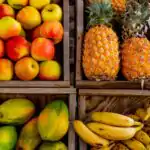
Fruit crops are plants that produce fruits. Fruits are the fleshy, edible parts of the plant that contain seeds. Examples are:
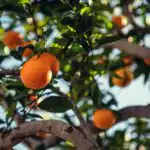
- Oranges (rich in Vitamin C)
- Apples (eaten fresh or cooked)
- Bananas (a good source of potassium)
- Strawberries (used in desserts and jams)
- Mangoes (known for their sweet flavor)
- Pawpaw (rich in vitamins and minerals)
- Pineapple (known for it’s unique flavor and enzymes)
Uses of Fruit Crops
Fruits are versatile and offer numerous benefits. they are used in various ways,from direct consumption to industrial applications. The following are some uses of fruit crops:
- Food Consumption: Fruits are nutritious snacks providing essential vitamins and minerals. They can be eaten fresh, cooked, or dried.
- Beverage Production: Fruits like oranges and grapes are used to make juices.
- Desserts and Sweets: Fruits such as strawberries, apples, and bananas are used in desserts and sweets.
- Jam and preserves: Fruits like berries and peaches are used to make jams and preserves.
- Nutrient Source: Fruits are a rich source of nutrients, including fiber, aiding digestion and contributing to overall health.
- Medicinal Purposes: Some fruits have medicinal properties and are used in customary medicine.
- Decoration: Fruits can be used for decorative purposes, such as in fruit baskets or centerpieces.
Teaching Methods
To deliver this lesson, the teacher will adopt the following methods: Discussion,Question and answer,Use of visuals
Instructional Procedures
To deliver this lesson,the teacher will adopt the following steps:
Step 1: Introduction (Set Induction)
Time: 5 minutes
Teaching Skill: Questioning
Teacher’s Activity: Asks pupils about their favorite fruits and initiates a discussion about where fruits come from.Pupils’ Activity: Respond to teacher’s questions and participate in the discussion.
Step 2: description of Key Concepts
Time: 10 minutes
Teaching Skill: Explaining
Teacher’s Activity: Explains what fruit crops are and gives examples.
Pupils’ Activity: Listen attentively and ask clarifying questions.
Step 3: Exhibition/Guided Practice
Time: 10 minutes
Teaching Skill: Demonstrating
Teacher’s Activity: Shows pictures of different fruit crops and discusses their uses.
pupils’ Activity: Observe the pictures and participate in the discussion.
Step 4: Autonomous Practice
Time: 5 minutes
Teaching Skill: Monitoring
Teacher’s Activity: Guides pupils in completing a worksheet with questions about fruit crops.
Pupils’ Activity: Complete the worksheet independently.
Step 5: note-Taking
Time: 5 minutes
Teaching Skill: Note-taking
Teacher’s Activity: Summarizes key points on the board.
Pupils’ Activity: Copy the key points into their notebooks.
step 6: Evaluation/Review
Time: 5 minutes
Teaching Skill: Questioning
Teacher’s Activity: Asks review questions to assess understanding.
Pupils’ Activity: Answer the review questions.
Objective-aligned checks:
- Identify and list three uses of fruit crops.
- Explain the importance of fruit crops in daily life.
Step 7: Conclusion
Time: 5 minutes
Teaching Skill: Summarizing
Teacher’s Activity: Summarizes the lesson and assigns homework.Pupils’ Activity: Listen to the summary and note the homework.
Lesson Keywords
- fruit Crops – Plants that produce edible fruits.
- Nutrients – Substances that provide nourishment essential for growth and the maintenance of life.
- Vitamins – Organic compounds that are essential for normal growth and nutrition.
- Minerals – Inorganic substances needed by the body for various functions.
- Beverage – A drink, especially one other then water.
Lesson Evaluation
To evaluate the learning, the teacher asks pupils to:
- Name three uses of fruit crops.
- Which fruits are commonly used to make juice?
- Why are fruits importent for a healthy diet?
- How can we use fruit crops in our daily lives?
- How can we show appreciation for fruit crops?
Assignment/Homework
- List five different types of fruit crops found in Nigeria.
- Write a short paragraph explaining why it is important to eat fruits every day.
- Draw pictures of three different fruits and label their names.
Differentiation
- For slower learners: provide one-on-one assistance and simplified explanations.
- For advanced learners: Encourage them to research additional uses of fruit crops and present their findings to the class.
- For visual/auditory/kinesthetic learners: Use visual aids, discussions, and hands-on activities to cater to different learning styles.
Note for Teachers
Ensure to bring real fruits or clear pictures of fruits to class to make the lesson more engaging. Encourage pupils to share their personal experiences with different fruits to foster a deeper understanding and appreciation.
Community Join the conversation Open discussion +