

Class: primary 6
Term: 2nd Term
Subject: Pre-Vocational Studies
Curriculum Theme: Agricultural Science
Previous Lesson: Canning as a Packaging Method
Topic: Packaging Methods: Cellophane Wrappers
Content/Learning Area: Packaging using cellophane wrappers as a method of packaging farm produce.
Time Allocation: 40 minutes
Performance Objectives
By the end of the lesson, pupils should be able to:
- Cognitive Domain: Explain what cellophane wrappers are and their importance in packaging farm produce.
- Affective Domain: Appreciate the need for proper packaging of farm produce.
- Psychomotor Domain: Demonstrate how to wrap a farm produce using cellophane.
- social Domain: Work in groups to package farm produce using cellophane wrappers.
Reference Materials
The following resources were used in planning this lesson:
- 9 – Years Basic Education Curriculum
- Abuja Educational Resource Centre Scheme of Work
- NAPPS National Unified scheme of Work
- Online Details from: fao.org – packaging for fruits, vegetables and root crops
- Relevant textbooks
Instructional Materials
To deliver this lesson, the teacher will use the following materials:
- Samples of farm produce (e.g., tomatoes, peppers, beans)
- Different types of packaging materials, including cellophane wrappers
- Scissors and tape
- Pictures or charts showing farm produce packaged in cellophane
Rationale for the Lesson
Proper packaging helps to protect farm produce from contamination, spoilage, and damage. Understanding the use of cellophane wrappers enables pupils to package food items safely, extending their shelf life and maintaining hygiene.
Prerequisite/Previous Knowledge
Pupils have previously learned about canning as a packaging method.They have also seen food items like bread and vegetables wrapped in cellophane in markets and stores.
Lesson Content
Packaging Methods: Cellophane Wrappers
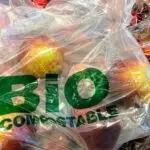
Cellophane wrappers are thin, clear sheets used to wrap food items to keep them fresh. They are widely used as they are:
The following are advantages of using cellophane wrappers:
- Water-resistant – They protect farm produce from moisture.
- Lightweight – They are easy to carry and store.
- Affordable – They are cheaper compared to othre packaging materials.
- Hygienic – They help keep food clean and free from dirt.
- Recyclable – They can be reused in certain specific cases, reducing waste.
- Transparent: Allows consumers to see the product, which can increase appeal.
- Flexible: Easily conforms to the shape of the product being packaged.
Steps in Packaging Farm Produce with Cellophane Wrappers
The following are the steps in packaging farm produce with cellophane wrappers:
- Select fresh and clean farm produce.
- Cut the appropriate size of cellophane wrapper.
- Wrap the produce neatly, covering all sides.
- Use tape or twist ties to secure the wrapping.
- Store or transport the wrapped produce properly.
- Ensure the wrapping is tight to prevent air exposure.
- Label the package with the date of packaging.
teaching Methods
To deliver this lesson, the teacher will adopt the following methods: Discussion, Demonstration, Practical, Group work, Clarification.
Instructional Procedures
To deliver this lesson, the teacher will adopt the following steps:
Step 1: Introduction (Set Induction)
Time: 5 mins
Teaching Skill: Set Induction
Teacher’s Activity: Asks pupils where they have seen food wrapped in cellophane.
Pupils’ Activity: respond and give examples like bread, fruits, and vegetables.
Step 2: Explanation of Packaging
Time: 7 mins
Teaching Skill: Explanation
Teacher’s Activity: Explains the meaning of packaging and the importance of cellophane wrappers.Pupils’ Activity: Listen attentively and take notes.
Step 3: Demonstration of wrapping
Time: 8 mins
teaching Skill: Demonstration
Teacher’s Activity: Shows pupils how to wrap an item using cellophane.Pupils’ activity: Watch the demonstration closely.
Step 4: Group packaging Activity
Time: 10 mins
Teaching Skill: Practical Submission
Teacher’s Activity: Divides pupils into groups and gives them items to package.
pupils’ Activity: Work in groups to wrap farm produce.
Step 5: Note-Taking
Time: 3 mins
Teaching Skill: Explanation
Teacher’s Activity: guides pupils to copy key points.
Pupils’ Activity: Copy the notes.
Step 6: Evaluation/review
Time: 5 mins
Teaching Skill: Questioning
Teacher’s activity: Asks pupils questions to assess their understanding.
Pupils’ Activity: Answer questions.
Objective-aligned checks:
- Explain what cellophane wrappers are and their importance in packaging farm produce.
- Demonstrate how to wrap a farm produce using cellophane.
Step 7: Conclusion
Time: 2 mins
Teaching Skill: Summarization
Teacher’s Activity: Summarizes the lesson and gives a take-home assignment.
Pupils’ Activity: Listen and ask questions.
Lesson Keywords
- Cellophane – A thin, transparent sheet used for wrapping.
- Packaging – The process of enclosing or protecting products for distribution, storage, sale, and use.
- Farm Produce – Agricultural products such as fruits, vegetables, and grains.
- Water-resistant – Material that can resist the penetration of water.
- Hygienic – Clean and conducive to maintaining health.
Lesson Evaluation
To evaluate the learning, the teacher asks pupils to:
- What is packaging?
- List two advantages of using cellophane wrappers.
- Mention three other types of packaging materials apart from cellophane.
- Describe the steps in packaging farm produce using cellophane wrappers.
- Why is it crucial to package farm produce properly?
Assignment/Homework
- Find and bring examples of food items packaged in cellophane wrappers.
- Write a short paragraph on the importance of packaging farm produce.
- Practice wrapping different items at home using cellophane or similar materials.
Differentiation
- For slower learners: Provide more hands-on support during the group activity and allow them to practice multiple times.
- For advanced learners: Assign additional packaging tasks,such as wrapping different types of farm produce.
- for visual/auditory/kinesthetic learners: Use visual aids, verbal instructions, and hands-on activities to cater to different learning styles.
Note for Teachers
Ensure that pupils actively participate in the practical aspect of this lesson. Encourage them to share their experiences with packaging at home. If possible, bring real farm produce to make the lesson more interactive. Happy teaching!


Community Join the conversation Open discussion +