

Class: Primary 5
Term: 2nd term
Subject: National Values Education
Curriculum Theme: Social Studies
Previous Lesson: Meaning Of Capital in Resource Development
Topic: Meaning Of Resource Distribution
Content/Learning Area: Fair distribution of resources, concept of raw materials, and benefits of resource distribution.
Time Allocation: 40 minutes
Performance Objectives
By the end of the lesson, pupils should be able too:
- cognitive Domain: Define resource distribution and explain its concept.
- Affective Domain: Appreciate the importance of fair distribution of resources.
- Psychomotor Domain: Identify examples of raw materials and how they are distributed.
- Social Domain: Discuss how fair resource distribution promotes unity.
Reference Materials
The following resources were used in planning this lesson:
- 9 – Years Basic education Curriculum, Abuja.
- Educational Resource Center Scheme of Work.
- NAPPS National Unified Scheme of Work.
- online Information from: Aithor- Distribution of Resources in Society Essay
- Relevant Textbooks.
Instructional Materials
To deliver this lesson, the teacher will use the following materials:
- Flashcards showing examples of resources and their uses.
- Charts illustrating raw material distribution.
- A world map to show the distribution of resources globally.
Rationale for the Lesson
Understanding resource distribution helps pupils appreciate the need for fairness in sharing resources and how it fosters unity and national progress.
Prerequisite/Previous Knowledge
Pupils already know about capital resources and their importance in production.
Lesson Content
Meaning Of Resource Distribution
Resource distribution refers to how resources such as raw materials, energy, and labor are shared among people and regions. Fair distribution ensures that everyone benefits equally, promoting harmony.
Concept Of Raw Materials
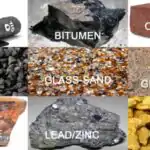
Raw materials are the basic resources used to make finished goods. Examples are:
- Crude oil
- Timber
- Cotton
- Iron ore
- Rubber
- Bauxite
Benefits Of Resource Distribution
Resource distribution ensures resources are available to all, fostering economic growth and social harmony.The following are benefits of resource distribution:
- Promotes fairness and reduces inequality.
- Encourages national unity and cooperation.
- Supports economic development.
- Improves living standards.
- Reduces conflicts over resource ownership.
- Ensures sustainable use of resources.
- Fosters international relations and trade.
Resource Distribution
Resource distribution is the way available resources are shared among people, places or activities. Resources may include money, food, water, land, school materials, health services and public facilities.
Fair distribution does not always mean giving everyone the same amount. Greater need, population, cost, location and agreed priorities may affect an allocation. Good distribution should be open, lawful and aimed at reducing waste and unfair exclusion.
Teaching Methods
To deliver this lesson, the teacher will adopt the following methods: Discussion, Demonstration, Guided learning, Individual Activity, Questioning, Group Reflection
Instructional Procedures
To deliver this lesson, the teacher will adopt the following steps:
Step 1: Introduction
Time: 5 mins
Teaching Skill: Set Induction
Teacher’s Activity: Introduces the lesson by asking pupils about sharing resources in the family or class.
pupils’ Activity: Respond actively to teacher’s questions.
Step 2: Clarification of Resource Distribution
Time: 10 mins
Teaching Skill: Explanation
Teacher’s Activity: Explains the meaning of resource distribution with examples.
Pupils’ Activity: Listen attentively and ask questions.
Step 3: Illustration of Raw Materials
Time: 10 mins
Teaching Skill: Illustration
Teacher’s Activity: Shows flashcards of raw materials and discusses their uses and distribution.
Pupils’ Activity: Identify raw materials on flashcards.
Step 4: Note-Taking
Time: 5 mins
Teaching Skill: Note Writing
Teacher’s Activity: Guides pupils to write the provided notes on resource distribution.
Pupils’ Activity: Copy the notes neatly into their books.
Step 5: Evaluation/review
Time: 5 mins
Teaching Skill: Questioning
teacher’s Activity: Asks pupils questions based on the lesson.
Pupils’ Activity: Answer questions orally and in writing.
Objective-aligned checks:
- Define resource distribution and explain its concept.
- Identify examples of raw materials and how they are distributed.
Step 6: Conclusion
Time: 5 mins
Teaching Skill: Summarization
Teacher’s Activity: Summarizes the lesson and emphasizes the benefits of resource distribution.Pupils’ Activity: Participate in summarizing the lesson.
Lesson Keywords
- Resource Distribution – the way resources are shared among people and regions.
- Raw materials – Basic resources used to make finished goods.
- Fairness – Treating everyone equally and justly.
- Unity – Being together as one.
- economic Development – growth and improvement of a country’s economy.
Lesson Evaluation
to evaluate the learning, the teacher asks pupils to:
- Define resource distribution.
- Explain the concept of raw materials.
- List three benefits of resource distribution.
- mention two examples of raw materials.
- Describe how fair distribution can promote unity.
Assignment/Homework
- List five examples of raw materials found in Nigeria.
- Explain why fair resource distribution is crucial for national development.
- Write a short paragraph on how resource distribution affects your community.
Differentiation
- For slower learners: Provide simplified explanations and visual aids.
- For advanced learners: Encourage them to research and present on resource distribution in different countries.
- For visual/auditory/kinesthetic learners: Use flashcards,discussions,and hands-on activities to cater to their learning styles.
Note for Teachers
Ensure pupils relate the lesson to real-life situations, such as sharing resources at home or in the community. Encourage participation and make the session interactive. Happy teaching!


Community Join the conversation Open discussion +