

Class: Primary One
Term: Second Term
Subject: National Values Education
Curriculum Theme: Social Studies
Previous Lesson: Meaning And Types Of Food
Topic: Sources Of food
Content/Learning Area: Sources of food in the locality: e.g., farms, markets, rivers, etc.
Time Allocation: 40 minutes
Performance Objectives
By the end of the lesson, pupils should be able to:
- Cognitive Domain:
- identify at least five sources of food in their locality.
- Affective Domain:
- Appreciate the importance of food sources in their daily lives.
- Psychomotor Domain:
- Draw or point to pictures of common food sources.
- Social Domain:
- Share examples of food sources with their classmates.
Reference Materials
- 9 – Years Basic education Curriculum
- Abuja Educational Resource Center scheme of Work
- NAPPS National Unified Scheme of Work
- online Data Wikipedia – Local food
- Relevant Textbooks
Instructional Materials
To deliver this lesson, the teacher will use the following materials:
- Pictures of farms, markets, rivers, and other food sources.
- Flashcards with names of food sources.
- A simple map of the locality.
- Drawing materials for pupils.
Rationale for the Lesson
Understanding food sources helps children connect their meals to their origins, promoting healthy eating and gratitude for farmers and the habitat.
Prerequisite/Previous Knowledge
The teacher will begin by asking pupils where they think their food comes from,sparking a brief discussion to gauge prior knowledge and generate interest in the topic.
Lesson Content
Sources Of Food
We get food from many places in our area. These include:
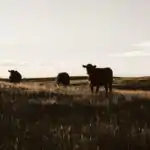
- Farms: We get foods like rice,yam, and maize from farms.
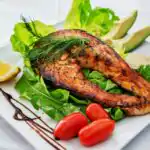
- Rivers: Fish and other seafood come from rivers.
- Markets: Fruits, vegetables, and other foods are sold in markets.
- Gardens: Many small vegetables and fruits grow in gardens.
- Forests: Some people collect wild fruits and nuts from forests.
- Shops: We buy packaged and prepared foods from shops.
- Houses: Some families grow their own food,like tomatoes and peppers,at home.
- Poultry Farms: We get eggs and chicken from poultry farms.
- Orchards: We get fruits like mangoes, oranges, and guava from orchards.
- Plantations: We get cash crops like cocoa, palm oil, and rubber from plantations.
Teaching Methods
To deliver this lesson, the teacher will adopt the following methods: Storytelling, Lecture, Visual Aids, Hands-on Activity, Guided Writing, Questioning, and Discussion.
Instructional Procedures
To deliver this lesson, the teacher will adopt the following steps:
Step 1: Introduction
Time: 5 mins
Teaching Skill: Set induction
Teacher’s Activity: Asks pupils where they think food comes from and tells a short story about farms.
Pupils’ Activity: Share their ideas about food sources.
Step 2: Description of Key Concepts
Time: 10 mins
Teaching skill: Lecture and visual Aids
Teacher’s Activity: shows pictures of farms, markets, rivers, etc., and explains each source.
Pupils’ Activity: Look at the pictures and listen attentively.
Step 3: Presentation/Guided Practise
Time: 8 mins
Teaching Skill: Hands-On Activity
Teacher’s Activity: Provides flashcards and asks pupils to match food items with their sources.
Pupils’ Activity: Match food items with the correct sources.
Step 4: Autonomous Practice
Time: 7 mins
Teaching Skill: Guided Writing
Teacher’s Activity: Guides pupils to copy a short note on food sources.pupils’ Activity: Write the note in their notebooks.
Step 5: Note-Taking
Step 6: Evaluation/Review
Time: 5 mins
Teaching Skill: Questioning
Teacher’s Activity: Asks questions based on the lesson to assess understanding.
Pupils’ Activity: Answer questions orally.
Objective-aligned checks:
- identify at least five sources of food in their locality.
- Draw or point to pictures of common food sources.
Step 7: Conclusion
Time: 3 mins
Teaching Skill: Recap
Teacher’s Activity: Summarizes the key points and appreciates pupils’ participation.Pupils’ Activity: Listen and share their favorite part of the lesson.
Step 8: Active Engagement
Time: 2 mins
Teaching Skill: Active Engagement
Teacher’s Activity: Engages pupils in a brief recap and relates the lesson to their daily lives.
Pupils’ Activity: Share examples of food sources at home.
Lesson keywords
- farms – Places where crops are grown and animals are raised for food.
- Markets – Places where food items are bought and sold.
- rivers – Natural sources of water where fish and other seafood are found.
- Gardens – Small areas where vegetables, fruits, and flowers are grown.
- Food sources – Places or things that provide us with food.
Lesson Evaluation
To evaluate the learning, the teacher asks pupils to:
- Name three places where we get food from in our area.
- What is one food that comes from a farm?
- Draw a picture of a river and show where we find fish.
- Share one food source you saw in the pictures today.
- Why is food critically important for your family?
Assignment/homework
- Ask your parents where they buy food from.
- Draw a picture of your favourite food and where it comes from.
- List three foods that come from farms and three that come from markets.
Differentiation
- For slower learners: Provide one-on-one assistance and use simpler language.
- for advanced learners: Challenge them to research additional food sources or create a presentation about their findings.
- For visual/auditory/kinesthetic learners: Use visual aids,storytelling,and hands-on activities to cater to different learning styles.
Note for Teachers
Ensure to use local examples and visual aids that are familiar to the pupils. Encourage active participation and make the lesson interactive to keep the pupils engaged.


Community Join the conversation Open discussion +