

Class: Primary five
Term: First Term
Subject: National Values Education
Curriculum Theme: Social Studies
Previous Lesson: Cultural Diversity, Meaning and Benefits Of Culture And Cultural Diversity
Topic: Changing Culture
Content/Learning Area: What is Changing Culture?, Common Changes in Culture, Factors Responsible for Cultural Changes
Time Allocation: 40 minutes
Performance Objectives
By the end of the lesson, pupils should be able to:
- Cognitive domain:
1. List common changes in culture.
2. Identify factors responsible for these changes.
3. Explain the impact of cultural changes.
- Affective Domain:
1. Appreciate the impact of cultural changes.2. Show willingness to adapt to cultural changes.
- Psychomotor Domain:
1. Actively participate in class discussions.
2. Take notes on key concepts.
- Social Domain:
1. Engage respectfully in group discussions.2. Share ideas and perspectives.
Reference Materials
- 9 – Years Basic Education Curriculum
- Abuja educational Resource Center Scheme of Work
- NAPPS national Unified Scheme of Work
- Relevant Textbooks
Instructional Materials
To deliver this lesson, the teacher will use a whiteboard or chart paper, markers, and relevant pictures or illustrations.
Rationale for the Lesson
Understanding cultural change helps pupils appreciate the diversity of their society and develop adaptability skills crucial for navigating a constantly evolving world.
Prerequisite/Previous Knowledge
Pupils are familiar with the concept of culture and cultural diversity.
Lesson content
What is Changing Culture?
Changing culture refers to the conversion of a group of people’s way of life,beliefs,and values. This evolution occurs naturally as groups interact and adapt to new influences.
Common Changes in Culture
Cultural norms and practices evolve over time, influenced by various factors. The following are some common changes in culture:
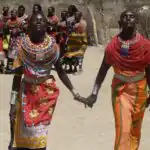
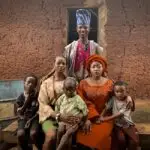
- Changes in Clothing styles: Modern fashion, like jeans and t-shirts, is replacing or changing traditional clothing in many places. Traditional attires are now worn mostly during special occasions.
- changes in Food Habits: New foods from around the world are becoming popular, and people are eating less of the traditional foods of their area. The rise of fast food restaurants is a good example of this.
- Language Evolution: New words are added to languages, and sometimes older languages become less common. The adoption of slang and internet abbreviations in everyday conversations is an example.
- Changes in Music and Entertainment: Traditional music and dance forms are being replaced or mixed with modern genres. The popularity of Afrobeats and other contemporary music styles is an example.
- Changes in Social Customs: Traditional customs related to marriage, festivals, and social gatherings are evolving. The adoption of Western-style weddings and celebrations is an example.
Factors Responsible for Cultural Changes
Various elements contribute to the dynamic nature of culture, causing it to evolve and transform.These include:
- Technology: New technology changes how we live, often replacing older ways of doing things. The internet is a great example of this, influencing communication, entertainment, and access to data.
- Migration: When people move to new places, they bring their culture with them, which can influence the culture of the new place. The introduction of new foods, languages, and customs by immigrants is an example.
- Globalization: As the world becomes more connected, cultures mix and share ideas. This has led to the spread of Western culture in many parts of the world, influencing fashion, music, and lifestyle.
- Education: Increased access to education exposes people to new ideas and perspectives, leading to changes in beliefs and values. The promotion of gender equality and human rights through education is an example.
- Media: The media, including television, movies, and social media, plays a significant role in shaping cultural norms and values. The portrayal of diverse lifestyles and cultures in media can influence people’s perceptions and behaviors.
Teaching Methods
To deliver this lesson, the teacher will adopt the following methods: Discussion, Question and Answer, Brainstorming.
Instructional Procedures
To deliver this lesson, the teacher will adopt the following steps:
Step 1: Introduction
Time: 5 minutes
Teaching Skill: Set induction
Teacher’s Activity: Asks pupils to share examples of how things have changed over time.
Pupils’ Activity: Share examples and participate in a brief discussion.
Step 2: Clarification of Key Concepts
Time: 10 minutes
Teaching Skill: Explanation
Teacher’s Activity: Explains the concept of changing culture and its meaning.Pupils’ Activity: Listen attentively and ask clarifying questions.
Step 3: Examples of Cultural Changes
Time: 10 minutes
Teaching Skill: Guided Practice
Teacher’s Activity: Provides examples of common cultural changes (clothing,food,language) and guides pupils in identifying factors responsible for these changes.
Pupils’ activity: Participate in discussions and provide examples.
Step 4: Autonomous Practice
Time: 5 minutes
Teaching Skill: Independent Work
Teacher’s Activity: Asks pupils to list examples of cultural changes they have observed.
Pupils’ activity: Work individually to complete the task.
Step 5: Note-Taking
Time: 5 minutes
Teaching Skill: Note-taking
Teacher’s Activity: Guides pupils in taking notes on key concepts and examples.Pupils’ Activity: Take notes in their notebooks.
Step 6: Evaluation/Review
Time: 5 minutes
Teaching Skill: questioning
Teacher’s Activity: Asks review questions to assess understanding.
Pupils’ Activity: Answer questions and participate in a brief review.
Objective-aligned checks:
- List common changes in culture.
- Identify factors responsible for these changes.
- Explain the impact of cultural changes.
Step 7: Conclusion
Time: 2 minutes
Teaching Skill: Summarizing
Teacher’s Activity: Summarizes the key points of the lesson.
Pupils’ Activity: Listen attentively and ask any remaining questions.
Lesson Keywords
- Culture – The customs, arts, social institutions, and achievements of a particular nation, people, or group.
- Cultural Change – The modification of a society through innovation, invention, finding, or contact with other societies.
- Globalization – The process by which businesses or other organizations develop international influence or start operating on an international scale.
- Technology – The application of scientific knowledge for practical purposes, especially in industry.
- Migration – Movement of people from one place to another.
Lesson Evaluation
To evaluate the learning, the teacher asks pupils to:
- What are some examples of cultural changes you’ve noticed in your community?
- List three factors that cause cultural changes.
- How has technology influenced the way we dress today?
- Why is it vital to adapt to cultural changes in a positive way?
Assignment/Homework
- Observe and list five cultural changes in your community.
- Interview an older family member about how things were different when they were young.
- Write a short paragraph on how technology has changed your daily life.
Differentiation
- For slower learners: Provide one-on-one assistance and simplified explanations.
- For advanced learners: Encourage them to research and present additional examples of cultural changes.
- For visual/auditory/kinesthetic learners: Use visual aids, discussions, and hands-on activities to cater to different learning styles.
note for Teachers
Encourage pupils to respect and appreciate cultural diversity while understanding the factors that lead to cultural changes. Emphasize the importance of adapting to change in a positive and responsible manner.


Community Join the conversation Open discussion +