

Class: Primary One
Term: Third Term
Subject: Basic Science and Technology
Curriculum Theme: Basic Technology
Previous Lesson: Effects And Uses of Sound
Topic: Different Ways of Generating Energy
Content/Learning Area: Ways of Generating Heat Energy, Ways of Generating Light energy, Ways of Generating Sound energy
Time Allocation: 40 minutes
Performance Objectives
By the end of the lesson, pupils should be able to:
- Cognitive Domain:
– List ways of generating heat,light,and sound energy.
- Affective Domain:
– Show interest in learning about different forms of energy.
- Psychomotor Domain:
– Demonstrate one way of generating sound energy using classroom materials.
- Social Domain:
– Participate actively in class discussions and activities.
Reference Materials
- 9 – years Basic Education Curriculum
- Abuja educational resource Center Scheme of Work
- NAPPS National Unified Scheme of Work
- Relevant Textbooks
Instructional Materials
To deliver this lesson, the teacher will employ the help of the following materials:
- Whiteboard or chart paper
- Markers or crayons
- Classroom objects (e.g., drums, whistles, etc.)
Rationale for the Lesson
Understanding how energy is generated is crucial for pupils’ scientific literacy. This lesson lays the foundation for future learning about energy sources and conservation.
prerequisite/Previous Knowledge
The teacher will start by asking pupils what they understand by the word “energy”. The teacher will then show a short video clip of different energy forms in action (e.g., sunlight, a burning candle, a ringing bell).
Lesson Content
Ways of Generating energy
Energy makes things happen. It can move things, make things light up, or create sound. We’ll explore ways to generate energy.
Ways of Generating Heat Energy
Heat energy is a form of energy that causes things to become warmer.
The following are ways of generating heat energy:
- Rubbing hands together creates heat due to friction.
- Sunlight warms our skin and clothes.
- Burning fuels like wood, petrol, candles, or kerosene generates heat.
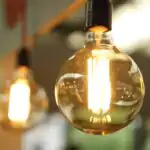
- Older incandescent light bulbs give off heat and light.
- Using electric heaters or stoves converts electrical energy into heat.
- geothermal energy from the Earth’s core heats water and rocks.
Ways of Generating Light Energy
Light energy is a form of energy that makes it possible to see things.
These include:
- Sunlight is a natural light source.
- Flashlights convert electrical energy into light.
- burning fuels like wood, petrol, candles, or kerosene produce light and heat.
- Light bulbs convert electricity into light.
- Glow sticks use chemical reactions to produce light.
- Fireflies produce light through a biological process called bioluminescence.
Ways of Generating Sound Energy
Sound energy is a form of energy that is associated with the vibration of matter.
Examples are:
- Clapping hands creates sound waves.
- Blowing a whistle makes it vibrate, producing sound.
- Striking a drum makes the skin vibrate,creating sound waves.
- Shaking a maraca makes objects inside hit the sides, producing sound.
- Plucking a string on a musical instrument makes it vibrate and produce sound.
- Speaking or singing causes vocal cords to vibrate,producing sound.
Teaching Methods
To deliver this lesson, the teacher will adopt the following methods: Discussion, Exhibition, Practical Activity
Instructional Procedures
to deliver this lesson, the teacher will adopt the following steps:
Step 1: Introduction
Time: 5 minutes
teaching Skill: Set Induction
Teacher’s Activity: review previous lesson and introduce the topic of energy generation.
Pupils’ Activity: Respond to teacher’s questions and listen attentively.
Step 2: Clarification of Key Concepts
Time: 10 minutes
Teaching Skill: Explaining
Teacher’s Activity: Explain the concept of energy and different forms of energy (heat, light, sound).
Pupils’ Activity: Listen attentively and ask clarifying questions.
Step 3: Demonstration/Guided Practice
Time: 10 minutes
Teaching Skill: Demonstrating
Teacher’s Activity: Demonstrate different ways of generating heat, light, and sound energy using classroom materials.
Pupils’ Activity: Observe the demonstrations and participate in discussions.
Step 4: Independent Practice
Time: 5 minutes
Teaching Skill: Guiding
Teacher’s Activity: guide pupils to generate sound energy using classroom materials.
Pupils’ Activity: Work individually or in small groups to generate sound energy.
Step 5: Note-taking
Time: 5 minutes
Teaching Skill: Note-taking
Teacher’s Activity: Guide pupils to take notes on the different ways of generating energy.
Pupils’ Activity: Write down key points and examples.
Step 6: Evaluation/Review
Time: 5 minutes
Teaching Skill: Questioning
Teacher’s Activity: Ask evaluation questions to assess pupils’ understanding.
Pupils’ Activity: Answer the evaluation questions.
Step 7: conclusion
Time: 5 minutes
Teaching Skill: Summarizing
Teacher’s Activity: Summarize the key concepts and encourage pupils to continue exploring different ways of generating energy in their daily lives.
Pupils’ Activity: Listen to the summary and ask any remaining questions.
Lesson Keywords
- energy – The ability to do work or cause change.
- Heat – A form of energy that makes things warmer.
- Light – A form of energy that makes it possible to see.
- Sound – A form of energy that is produced by vibrations.
- Generate – To produce or create something.
Lesson Evaluation
To evaluate the learning, the teacher asks pupils to:
- Name one way to generate heat energy.
- What’s needed to make a flashlight work?
- How can you make a sound using classroom objects?
- Can you think of other ways to generate heat, light, or sound?
- Why is it notable to no about energy generation?
Assignment/Homework
- List three ways you can generate heat at home.
- Draw a picture of something that generates light.
- Find an object at home that you can use to make sound.
- Write a short paragraph about why energy is important in our daily lives.
Differentiation
- For slower learners: Provide one-on-one assistance and use simpler language.
- For advanced learners: Encourage them to explore additional ways of generating energy.
- For visual/auditory/kinesthetic learners: Use visual aids, demonstrations, and hands-on activities to cater to different learning styles.
Note for Teachers
Ensure to use real-life examples and demonstrations to make the lesson engaging and relatable for the pupils. Encourage active participation and provide positive reinforcement to build their confidence.

Community Join the conversation Open discussion +