

Class: Primary Two
Term: first Term
Subject: Pre-vocational Studies
Curriculum Theme: Agricultural Science
Previous Lesson: Maintenance of Farm Tools
Topic: vegetable Crops
Content/Learning Area: Defining vegetable crops, Identifying different vegetable crops
Time Allocation: 40 minutes
Performance Objectives
By the end of the lesson, pupils should be able to:
- Cognitive Domain:
1. Define vegetable crops.2. identify different types of vegetable crops.
3. List examples of vegetable crops for different edible parts.
- Affective Domain:
1. Show interest in learning about vegetable crops.
2. Appreciate the importance of vegetable crops in a healthy diet.
- Psychomotor Domain:
1.Identify vegetable crops from pictures or real-life examples.
- Social Domain:
1.Participate actively in class discussions.
2. Work cooperatively with peers during activities.
Reference Materials
- 9 – Years Basic Education Curriculum
- Abuja Educational Resource Center Scheme of work
- NAPPS National Unified Scheme of Work
- Relevant Textbooks
Instructional materials
To deliver this lesson, the teacher will use the following materials:
- whiteboard or chart paper
- Markers or crayons
- Pictures or real examples of different vegetable crops
- Relevant textbooks
Rationale for the lesson
Understanding vegetable crops is crucial for a healthy diet and basic agricultural knowledge. This lesson provides a foundation for future lessons on farming and nutrition.
Prerequisite/Previous Knowledge
The teacher will start by asking pupils what they ate for breakfast or lunch,prompting them to identify any vegetables they consumed. This will lead into a discussion about different types of vegetables, setting the stage for the lesson.
Lesson content
What are Vegetable Crops?
Vegetable crops are plants grown for their edible parts, such as leaves, stems, roots, flowers, or fruits. Examples are:
- Leaves: Spinach, lettuce, cabbage, kale, efo shoko, ewedu.
- Stems: Celery,asparagus,broccoli,sugar cane,bamboo shoots.
- roots: Carrots,beets,radishes,turnips,sweet potatoes,cassava.
- Flowers: broccoli, cauliflower, capers, edible flowers like nasturtiums.
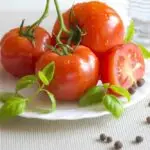
- Fruits: Tomatoes, cucumbers, peppers, eggplant, okra, garden egg.
Identifying Vegetable Crops
Many different vegetable crops exist, varying in shape, size, and color. Some common types include:
- Root vegetables: Carrots, beets, radishes, turnips, yams, ginger.
- Leafy green vegetables: Spinach, lettuce, kale, collard greens, waterleaf, fluted pumpkin leaves (ugu).
- Cruciferous vegetables: Broccoli, cauliflower, Brussels sprouts, cabbage, bok choy, kale.
- Bulb vegetables: Onions,garlic,shallots,leeks,spring onions.
- Fruit vegetables: Tomatoes, cucumbers, peppers, eggplant, okra, avocados.
remember that some vegetables, like tomatoes, are botanically fruits but are culinarily considered vegetables.
Teaching Methods
To deliver this lesson, the teacher will adopt the following methods: Discussion, question and answer, Show and tell.
Instructional Procedures
To deliver this lesson, the teacher will adopt the following steps:
Step 1: Introduction
Time: 5 minutes
Teaching Skill: Set Induction
Teacher’s Activity: Ask pupils what they know about vegetables.
Pupils’ Activity: Share their prior knowledge about vegetables.
step 2: Description of Key Concepts
Time: 10 minutes
Teaching Skill: Explaining
Teacher’s Activity: Define vegetable crops and explain the different edible parts (leaves, stems, roots, flowers, fruits).
Pupils’ activity: Listen attentively and ask clarifying questions.
Step 3: Exhibition/Guided Practice
Time: 10 minutes
Teaching Skill: Demonstrating
Teacher’s activity: Show pictures or real examples of different vegetable crops,categorizing them by edible parts.
Pupils’ Activity: Identify and categorize the vegetables shown.
Step 4: Self-reliant Practice
Time: 5 minutes
Teaching Skill: Monitoring
Teacher’s Activity: Provide worksheets with pictures of vegetables for pupils to identify and categorize.
Pupils’ Activity: Complete the worksheet independently.
Step 5: Note-Taking
Time: 5 minutes
Teaching Skill: Guiding
Teacher’s Activity: Guide pupils in taking notes on key concepts and examples.
Pupils’ Activity: Write down key points and examples in their notebooks.
Step 6: Evaluation/Review
Time: 5 minutes
Teaching Skill: Questioning
Teacher’s Activity: Ask review questions to assess understanding.
Pupils’ Activity: Answer the review questions.
Objective-aligned checks:
- Define vegetable crops.
- identify different types of vegetable crops.
- List examples of vegetable crops for different edible parts.
Step 7: Conclusion
Time: 5 minutes
Teaching Skill: Summarizing
Teacher’s Activity: Summarize the key concepts learned and emphasize the importance of eating vegetables for a healthy diet. Assign homework, such as drawing their favourite vegetable and writing a short description.
Pupils’ Activity: Listen to the summary and note the homework assignment.
Lesson Keywords
- Vegetable Crops – Plants grown for their edible parts.
- Edible Parts – The parts of a plant that can be eaten, such as leaves, stems, roots, flowers, or fruits.
- Root Vegetables – Vegetables that grow underground, such as carrots and beets.
- Leafy Greens – Vegetables with edible leaves, such as spinach and lettuce.
- Fruit Vegetables – Vegetables that are botanically fruits, such as tomatoes and cucumbers.
Lesson Evaluation
To evaluate the learning,the teacher asks pupils to:
- What are vegetable crops?
- Name three different types of vegetable crops.
- What are some edible parts of vegetable crops?
- why are vegetable crops critically important for our diet?
- Name a vegetable crop grown for its leaves.
Assignment/Homework
- draw your favorite vegetable.
- Write a short description of your favorite vegetable, including its edible part and why you like it.
- List three reasons why eating vegetables is good for your health.
Differentiation
- For slower learners: Provide one-on-one assistance and simplified explanations.
- For advanced learners: Encourage them to research and present details on additional vegetable crops.
- For visual/auditory/kinesthetic learners: Use visual aids, verbal explanations, and hands-on activities to cater to different learning styles.
Note for Teachers
Ensure to bring real-life examples or pictures of various vegetable crops to make the lesson more engaging and understandable for the pupils. Encourage active participation by asking questions and providing positive reinforcement.

Community 2 comments Open discussion +