

Class: Primary 5
Term: Third Term
Subject: History
Curriculum Theme:
Previous Lesson: Traditional occupations in the locality
Topic: Traditional Occupations of the People of Nigeria
Content/Learning Area: Traditional Occupations of the Yoruba People
Time Allocation: 40 minutes
Performance Objectives
By the end of the lesson, pupils should be able to:
-
Cognitive: Identify major traditional occupations of the Yoruba people.
-
Affective: Show appreciation for the value of traditional Yoruba work.
-
Psychomotor: Point out or label tools or items used in Yoruba traditional occupations.
-
Social: Participate in group activities discussing traditional Yoruba crafts and jobs.
Reference Materials
- 9 Years Basic Education Curriculum
- Abuja Educational Resource Center Scheme of work
- NAPPS National Unified Scheme of Work
- Nigeria Primary History Book 5
Instructional Materials
To deliver this lesson, the teacher will use the following materials: charts showing Yoruba occupations, real or improvised tools (e.g. hoe, drum, mat), pictures of Yoruba farmers, drummers, hunters, and traders.
Rationale for the Lesson
This lesson helps pupils understand the occupations that shaped Yoruba culture and contributed to their economic life.
Prerequisite/Previous Knowledge
Pupils have previously learned about different ethnic groups and their cultures in Nigeria.
Lesson Content
Traditional Occupations of the Yoruba People
Traditional occupations of the Yoruba people refer to the various jobs and crafts passed down through generations that supported daily life, culture, and the economy of Yoruba communities.
Major Traditional Occupations
The Yoruba people were engaged in several traditional occupations that supported both family and communal life. These occupations include:
-
Farming: Farming was the most common occupation. The Yoruba cultivated crops such as yam, maize, cassava, and vegetables for food, while cocoa was a major cash crop for trade and export.
-
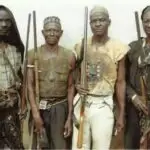
Hunting: Men hunted wild animals for meat and for cultural purposes, especially during festivals and ceremonies.
-
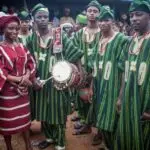
Drumming: Drumming was both a profession and a cultural duty. Drummers played during festivals, naming ceremonies, and traditional events, using drums like the talking drum (Gangan).
-
Blacksmithing: Blacksmiths created farm tools, weapons, and household items from iron. This craft was vital for both agriculture and security.
-
Weaving: Weaving involved producing Aso Oke and other traditional fabrics using handlooms. It was both an artistic and economic activity.
-
Pottery: Women often engaged in pottery, molding clay pots used for cooking, water storage, and rituals.
-
Trading: Yoruba markets, like those in Ibadan and Lagos, were full of traders who sold foodstuff, textiles, herbs, and craft items.
-
Bead-making: Bead-makers created jewelry used for decoration, status display, and traditional ceremonies like weddings and coronations.
Teaching Methods
To deliver this lesson, the teacher will adopt the following methods: Discussion, Lecture, Storytelling, Explanation, Visual Aids, Group Work.
Instructional Procedures
To deliver this lesson, the teacher will adopt the following steps:
Step 1: Introduction
Time: 5 minutes
Teaching Skill: Set Induction
Teacher’s Activity: Asks pupils what jobs their parents or grandparents do or did in the village.
Pupils’ Activity: Share different jobs done in their homes or communities.
Step 2: Background of Yoruba Occupations
Time: 8 minutes
Teaching Skill: Explanation
Teacher’s Activity: Explains that the Yoruba people are one of Nigeria’s major ethnic groups with diverse traditional occupations.
Pupils’ Activity: Listen and respond to questions about Yoruba people.
Step 3: Description of Major Occupations
Time: 12 minutes
Teaching Skill: Storytelling and Discussion
Teacher’s Activity: Describes each Yoruba occupation, showing related pictures and tools, while engaging pupils in discussion.
Pupils’ Activity: Observe materials, listen, and participate in the discussion.
Step 4: Cultural and Economic Significance
Time: 5 minutes
Teaching Skill: Analysis
Teacher’s Activity: Explains how these occupations helped the Yoruba people economically and socially.
Pupils’ Activity: Contribute to discussion on how the jobs supported the community.
Step 5: Note-Taking
Time: 3 minutes
Teaching Skill: Writing
Teacher’s Activity: Dictates or writes summary notes on the board for pupils to copy.
Pupils’ Activity: Copy notes into their notebooks.
Step 6: Evaluation/Review
Time: 4 minutes
Teaching Skill: Questioning
Teacher’s Activity: Asks pupils questions to assess their understanding of the Yoruba occupations.
Pupils’ Activity: Answer questions orally.
Step 7: Conclusion
Time: 3 minutes
Teaching Skill: Reinforcement
Teacher’s Activity: Summarizes the lesson and encourages pupils to appreciate traditional work.
Pupils’ Activity: Pay attention and reflect on the key points.
Lesson Keywords
-
Occupation – A job or work someone does regularly
-
Farming – The act of growing crops and raising animals for food or trade
-
Weaving – The craft of making fabric or clothes using threads and looms
-
Pottery – The act of shaping and baking clay into useful items like pots
-
Drumming – Playing drums as a cultural or professional activity
Lesson Evaluation
To evaluate the learning, the teacher asks pupils to:
-
Mention five traditional occupations of the Yoruba people.
-
State one major cash crop grown by the Yoruba.
-
Describe two items made by Yoruba blacksmiths.
-
List three materials used in Yoruba bead-making.
-
Explain how trading supported Yoruba communities.
Assignment/Homework
-
Write five sentences about what Yoruba drummers do and when they perform.
-
Draw and label two traditional tools used by Yoruba farmers.
-
Interview an elder and ask which traditional occupation they practiced or saw growing up.
Differentiation
-
For slower learners: Provide picture aids and pair them with stronger peers for guided discussion.
-
For advanced learners: Ask them to compare Yoruba occupations with those of other Nigerian ethnic groups.
-
For visual/auditory/kinesthetic learners: Use real tools, images, oral storytelling, and short role-play activities to reinforce the lesson.
Note for Teachers
Encourage pupils to see the dignity in traditional occupations and relate the skills to modern work and entrepreneurship. Where possible, invite a community artisan to speak to the class or demonstrate a craft.
Community Join the conversation Open discussion +