

Class: Primary 5
Term: Third Term
Subject: History
Curriculum Theme:
Previous Lesson: Importance of Traditional Occupations
Topic: Conventional Occupations of the People of Nigeria
Content/Learning Area: Traditional Occupations of the Hausa People
Time Allocation: 40 minutes
Performance Objectives
By the end of the lesson, pupils should be able to:
- Cognitive Domain: Identify the traditional occupations of the Hausa people.
- Affective Domain: Show recognition for the diverse occupations within the Hausa community.
- Psychomotor Domain: Describe the various traditional occupations of the Hausa people.
- Social Domain: Participate in discussions about the importance of different occupations in the Hausa society.
Reference Materials
- Nigeria Primary History Book 5
- Online resources on Nigerian history and culture
- 9 Years Basic Education Curriculum
- Abuja Educational Resource Center Scheme of work
- NAPPS National Unified Scheme of Work
Instructional Materials
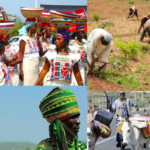
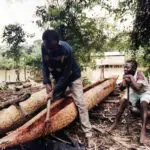
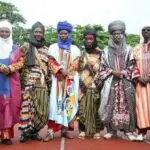
To deliver this lesson, the teacher will employ the help of pictures and charts illustrating various traditional Hausa occupations.
Rationale for the Lesson
understanding traditional occupations fosters cultural awareness and appreciation for the economic activities of different Nigerian ethnic groups.
Prerequisite/Previous Knowledge
pupils are familiar with the concept of occupation and can name some common jobs in thier community.
Lesson Content
Traditional Occupations of the Hausa People
The Hausa people, one of Nigeria’s largest ethnic groups, have a rich history of traditional occupations tied to their environment, customs, and social structures. Key traditional occupations include:
-
Farming and Agriculture
-
Crop Farming: Growing crops such as millet, sorghum, maize, rice, and beans for local consumption and trade.
-
Animal Husbandry: Raising livestock such as cattle, sheep, goats, and camels for food, transportation, and trade.
-
-
Trade and Commerce
-
Long-Distance Trade: Trading in commodities like salt, cloth, and food, with cities like Kano and Katsina as commercial hubs.
-
Market Trading: Selling agricultural products, livestock, and handmade crafts in local markets.
-
-
Craftsmanship and Artisanship
-
Weaving and Dyeing: Producing adire_ (tie-dye) fabrics and textiles for clothing and trade.
-
Leatherwork: Creating bags, shoes, and traditional garments like babban riga_.
-
Blacksmithing: Making tools, weapons, and agricultural implements.
-
-
Fishing
-
Engaging in fishing near rivers, lakes, or wetlands for food and income.
-
-
Hunting
-
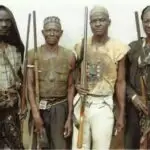
Using traps, nets, and firearms to hunt for food and materials for clothing and tools.
-
-
Building and Construction
-
Skilled in building mud houses and structures, particularly in towns with distinctive Hausa architecture_.
-
-
Religious Occupations
-
Islamic Scholars and Clergy: Teaching the Qur’an, providing Islamic education, and serving as imams.
-
Teaching Methods
To deliver this lesson, the teacher will adopt the following methods: Discussion, Description, Visual aids, Storytelling.
Instructional Procedures
To deliver this lesson, the teacher will adopt the following steps:
Step 1: Introduction
Time: 5 minutes
Teaching Skill: Set Induction
Teacher’s Activity: The teacher asks pupils about the jobs their parents do and introduces the topic of traditional occupations.
Pupils’ Activity: Pupils respond by mentioning their parents’ jobs and showing interest in learning about traditional occupations.
Step 2: Brainstorming Hausa Occupations
Time: 10 minutes
Teaching Skill: Elicitation
Teacher’s Activity: The teacher guides pupils to brainstorm and mention traditional occupations of the Hausa people.
Pupils’ Activity: Pupils list the traditional occupations of the hausa people they know.
Step 3: Detailed Explanation of Occupations
time: 15 minutes
Teaching Skill: Explanation
Teacher’s Activity: The teacher explains each occupation in detail, using visual aids to illustrate the activities involved.
Pupils’ Activity: Pupils listen attentively and ask questions to clarify their understanding.
Step 4: Group Discussion
Time: 10 minutes
Teaching Skill: Facilitation
Teacher’s Activity: The teacher divides the class into groups to discuss the importance of each occupation to the hausa community.
pupils’ Activity: Pupils participate in group discussions and share their opinions.
Step 5: Note-Taking
Time: 5 minutes
Teaching Skill: Writing
Teacher’s Activity: The teacher guides pupils to write short notes on the traditional occupations discussed.
Pupils’ Activity: Pupils write notes in their notebooks.
Step 6: Evaluation/Review
Time: 5 minutes
Teaching Skill: Assessment
Teacher’s Activity: The teacher asks questions to evaluate pupils’ understanding of the lesson.
Pupils’ Activity: pupils answer the questions to demonstrate their understanding.
Objective-aligned checks:
- Identify the traditional occupations of the Hausa people.
- Show recognition for the diverse occupations within the Hausa community.
- Describe the various traditional occupations of the Hausa people.
Step 7: Conclusion
time: 5 minutes
Teaching skill: Summarizing
Teacher’s Activity: The teacher summarizes the lesson and highlights the importance of preserving traditional occupations.
Pupils’ Activity: Pupils listen to the summary and ask any remaining questions.
Lesson Keywords
- Agriculture – Cultivation of land for crops and animal rearing.
- Craftsmanship – Skilled art of making things by hand.
- Trade – Buying and selling of goods and services.
- Fishing – Catching fish from water bodies.
- Hausa – A major ethnic group in Northern Nigeria.
Lesson Evaluation
to evaluate the learning, the teacher asks pupils to:
- Name three traditional occupations of the Hausa people.
- Describe what is involved in Hausa leatherwork.
- Explain the importance of agriculture to the Hausa community.
Assignment/homework
- Research and write about another traditional occupation of the Hausa people not discussed in class.
- Interview a family member or neighbor who practices a traditional Hausa occupation and write a short report.
differentiation
- For slower learners: provide simplified notes and one-on-one assistance during discussions.
- For advanced learners: encourage them to research and present on the economic impact of traditional occupations.
- For visual/auditory/kinesthetic learners: Use more visual aids, storytelling, and hands-on activities to engage different learning styles.
Note for Teachers
Ensure to use local examples and visual aids to make the lesson relatable and engaging for the pupils. Encourage active participation and discussion to enhance understanding.
Community Join the conversation Open discussion +