

Class: Primary Five
Term: First term
Subject: History
Curriculum Theme:
Previous Lesson: Nigeria’s Independence, Year of Independence
topic: Nigeria’s Independence: Venue, Government Structure, Federation, and Republic
Content/Learning Area: Venue of the Ceremony, Government Structure at Independence, What is Federation?, What is a Republic?
Time Allocation: 40 minutes
Performance Objectives
By the end of the lesson, pupils should be able to:
- Cognitive Domain:
1. Identify the venue of Nigeria’s independence ceremony.
2. Explain the structure of Nigeria’s government at independence.
3. Define Federation and Republic.
- Affective Domain:
1. Show thankfulness for nigeria’s independence.
2. Understand the importance of unity and federalism.
- Psychomotor Domain:
1. Actively participate in class discussions.
2. Take notes on key concepts.
- Social Domain:
1.Work collaboratively with peers.2. Respect diverse viewpoints.
Reference Materials
9 – Years Basic Education curriculum
Abuja educational Resource Center Scheme of Work
NAPPS National unified Scheme of Work
Relevant Textbooks
Instructional Materials
To deliver this lesson, the teacher will use the following materials:
Whiteboard or chart
Markers or chalk
Pictures of Tafawa Balewa Square
Relevant textbooks
Rationale for the Lesson
This lesson is crucial for understanding Nigeria’s history and the foundation of its current political system. Knowing the past context of independence helps pupils appreciate the present and fosters national pride.
Prerequisite/Previous Knowledge
the teacher will begin by asking pupils what they remember from the previous lesson about Nigeria’s independence.A brief review will be conducted,followed by introducing today’s topic: the venue of the independence ceremony and the government structure at that time.
Lesson Content
🇳🇬 Nigeria Independence: Venue, Meaning of Federation and Republic
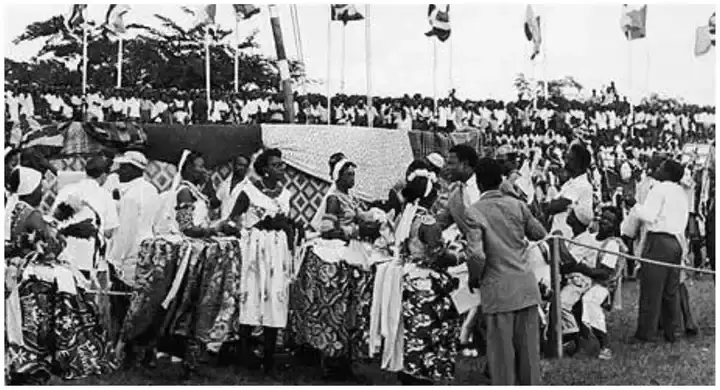
On October 1, 1960, Nigeria gained independence from British rule. This marked a important step towards self-governance.
📍 Venue of the Ceremony
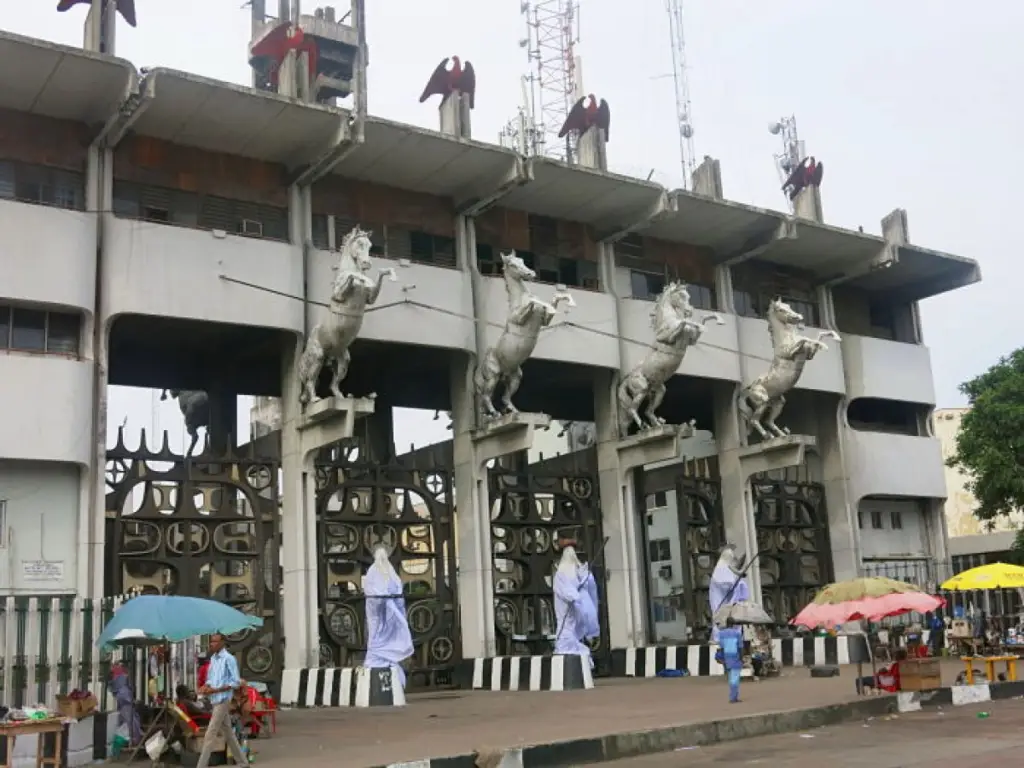
The independence ceremony was held at Race Course, now known as Tafawa balewa Square in Lagos. this location was chosen for its size and ability to host a large event.
🏛️ Government Structure at Independence
Nigeria adopted a parliamentary system. This included a Prime Minister as head of government, a Governor-General representing the British monarch, a federal structure balancing regional autonomy with national unity, a constitution, and parliamentary elections.
📖 What is Federation?
A federation is a political system where multiple states or regions unite under a central government, but each retains some independence.
📖 What is a Republic?
A republic is a state where supreme power is held by the people and their elected representatives, without a monarch. A president leads the state.
Teaching Methods
To deliver this lesson, the teacher will adopt the following methods: Discussion, Question and answer, Use of visual aids.
Instructional Procedures
To deliver this lesson, the teacher will adopt the following steps:
Step 1: Introduction
Time: 5 minutes
Teaching Skill: Set Induction
Teacher’s Activity: Review previous lesson, introduce today’s topic.
Pupils’ Activity: Respond to questions, listen attentively.
Step 2: Description of Key Concepts
Time: 15 minutes
Teaching Skill: Explaining
Teacher’s Activity: Explain the venue, government structure, Federation, and Republic.
Pupils’ Activity: Listen, take notes.
Step 3: Exhibition/Guided Practice
Time: 10 minutes
Teaching Skill: Modeling
Teacher’s Activity: Show pictures, answer questions.
Pupils’ Activity: Observe,ask clarifying questions.
Step 4: Autonomous Practice
Time: 5 minutes
Teaching Skill: monitoring
Teacher’s Activity: Supervise pupils as they answer questions.
Pupils’ Activity: Answer evaluation questions independently.
Step 5: Note-Taking
Time: 2 minutes
Teaching Skill: Guiding
Teacher’s Activity: Guide pupils in summarizing key points.
Pupils’ Activity: Take notes.
Step 6: Evaluation/Review
Time: 3 minutes
teaching Skill: Assessing
Teacher’s Activity: Review answers to evaluation questions.
Pupils’ activity: Participate in review.
Objective-aligned checks:
- Identify the venue of Nigeria’s independence ceremony.
- Explain the structure of Nigeria’s government at independence.
- Define Federation and Republic.
Step 7: Conclusion
Time: 2 minutes
Teaching Skill: Summarizing
Teacher’s Activity: Summarize the key points and assign a short research task.
Pupils’ Activity: Listen and note the assignment.
Lesson Keywords
Independence – Freedom from control by another country.
federation – A union of states under a central government.
Republic – A state without a monarch, led by elected officials.
* Parliamentary System – A system of government where the executive branch derives its legitimacy from the legislature.
Lesson Evaluation
To evaluate the learning, the teacher asks pupils to:
- Where was Nigeria’s independence ceremony held?
- What type of government did Nigeria have at independence?
- What is a federation? Give an example.
- What is a republic? Give an example.
Assignment/Homework
- Research and write a short paragraph about the role of Sir Abubakar Tafawa Balewa in Nigeria’s independence.
- List three differences between a federation and a unitary state.
Differentiation
- For slower learners: The teacher will provide one-on-one assistance and simplified explanations.
- For advanced learners: The teacher will encourage further research on related topics.
- For visual/auditory/kinesthetic learners: Use visual aids, discussions, and hands-on activities to cater to different learning styles.
Note for Teachers
Ensure to use visual aids to enhance understanding. Encourage active participation by all pupils, and provide additional support to those who need it.
Community Join the conversation Open discussion +