

Class: Junior Secondary School 1 (JSS1, JSS 1)
Term: 2nd Term
Week: 4
Age: 12 years
Duration: 45 minutes
Subject: History
Curriculum Theme: History
Previous Lesson: Ife Figurines and Artifacts, Historical Sites in Nigeria
Topic: Historical Sites in Nigeria – Ile-Ife (Part 4)
Subject Matter: The People and Occupational Activities Of Ile-Ife
Specific Objectives
By the end of the lesson, pupils should be able to:
- Cognitive Domain:
(a) Identify the major occupational activities of the people of Ile-Ife.
(b) Describe how these occupations contributed to the growth of Ile-Ife. - Affective Domain:
(a) Appreciate the hardworking nature of the people of Ile-Ife. - Psychomotor Domain:
(a) Draw or illustrate simple pictures showing the occupations of the people of Ile-Ife. - Social Domain:
(a) Work cooperatively in groups to discuss how traditional occupations help in community development.
Reference Materials
The following resources were used in planning this lesson:
- 9 Years Basic Education Curriculum
- Lagos State Unified Scheme of work for Junior Secondary Schools
- Britannica – “Ile-Ife: Ancient Yoruba City of Nigeria” (https://www.britannica.com/place/Ile-Ife)
- Relevant Textbooks
Instructional Materials
The teacher will teach this lesson with the aid of:
- Pictures and charts showing people engaging in farming, pottery, weaving, and trading.
- Map of Nigeria showing Ile-Ife.
- Samples of local tools such as hoes, pestles, and weaving materials.
- Video clips or slides showing ancient Yoruba crafts and trade.
Rationale for the Lesson
This lesson helps pupils understand the lifestyle and occupations of the people of Ile-Ife, promoting appreciation of their cultural and historical importance in Nigeria’s development.
Prerequisite/Previous Knowledge
Pupils already know that Ile-Ife is one of the oldest and most important historical towns in Yoruba history, and can recall some early cultural practices of its people.
Lesson Content/Board Summary
The People and Occupational Activities of Ile-Ife
The People of Ile-Ife
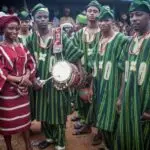
The people of Ile-Ife are part of the Yoruba ethnic group found in the southwestern part of Nigeria. Ile-Ife is often regarded as the spiritual and ancestral home of the Yoruba nation. The people are known for their strong cultural heritage, art, and craftsmanship.
The following are some features of the people of Ile-Ife:
- They are mostly Yoruba-speaking people.
- They are deeply religious and believe in the worship of traditional gods like Oduduwa and Obatala.
- They have great respect for traditional rulers, especially the Ooni of Ife.
- They are peace-loving, hardworking, and community-oriented.
- They are known for their creativity in arts, crafts, and bronze work.
Occupational Activities of the People of Ile-Ife
The people of Ile-Ife engaged in various traditional occupations that supported their economy and daily life. These activities made Ile-Ife an important centre of trade and culture in ancient Nigeria.
The following are the main occupational activities of the people of Ile-Ife:
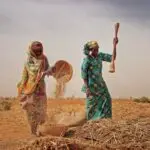
- Farming: The people grow crops such as yam, cassava, maize, and vegetables.
- Hunting: They hunt animals in the nearby forests for meat and trade.
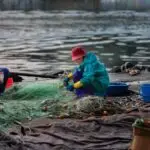
- Fishing: Some people engage in fishing in rivers and streams around the area.
- Trading: They trade their farm produce, crafts, and goods in local markets and with neighboring towns.
- Blacksmithing: Skilled blacksmiths produce iron tools, weapons, and farming implements.
- Pottery: Pottery making is common, and the people are known for crafting pots and other clay objects used for cooking and rituals.
- Weaving: They produce local fabrics and clothing using traditional looms.
- Art and Bronze Casting: The people of Ile-Ife are famous for creating beautiful bronze, terracotta, and stone sculptures that represent their kings and gods.
Importance of Occupational Activities in Ile-Ife
These occupations helped the people of Ile-Ife sustain their community and promote their culture. They also made Ile-Ife a respected and wealthy city in ancient times.
The following are the importance of occupational activities in Ile-Ife:
- They provided food and materials for daily living.
- They promoted trade and exchange among different communities.
- They created employment and income for the people.
- They strengthened the cultural identity of the Yoruba people.
- They contributed to the artistic and historical reputation of Ile-Ife.
Teaching Methods/Instructional Techniques:
Discussion, Storytelling, Lecture, Explanation, Question and Answer, Visual Aids, Group Work
Instructional Procedures
To deliver this lesson, the teacher will adopt the following steps:
Step 1: Introduction
Time: 5 minutes
Teaching Skill: Set Induction
Teacher’s Activity: The teacher tells a short story about an ancient Yoruba craftsman or farmer from Ile-Ife to capture pupils’ interest.
Pupils’ Activity: Pupils listen and respond to questions from the story.
Learning Point: Pupils are motivated to learn about the people and occupations of Ile-Ife.
Step 2: The People of Ile-Ife
Time: 10 minutes
Teaching Skill: Explanation
Teacher’s Activity: The teacher describes the people of Ile-Ife, their traditions, and their role in Yoruba history using pictures and maps.
Pupils’ Activity: Pupils observe, listen, and identify key features of the people.
Learning Point: Pupils understand who the people of Ile-Ife are and their cultural background.
Step 3: Occupational Activities
Time: 10 minutes
Teaching Skill: Discussion
Teacher’s Activity: The teacher explains the various occupations of the people using examples and charts.
Pupils’ Activity: Pupils mention familiar occupations and share similar experiences from their communities.
Learning Point: Pupils identify and describe the main occupations of the people of Ile-Ife.
Step 4: Importance of Occupational Activities
Time: 10 minutes
Teaching Skill: Explanation
Teacher’s Activity: The teacher discusses the importance of these occupations in sustaining life and promoting culture in Ile-Ife.
Pupils’ Activity: Pupils listen and ask questions for clarification.
Learning Point: Pupils understand the importance of occupational activities to the growth of Ile-Ife.
Step 5: Note-Taking
Time: 5 minutes
Teaching Skill: Explanation
Teacher’s Activity: The teacher dictates or writes the board summary for pupils to copy.
Pupils’ Activity: Pupils write the note in their exercise books.
Learning Point: Pupils have a written record of the lesson content.
Step 6: Evaluation/Review
Time: 3 minutes
Teaching Skill: Questioning
Teacher’s Activity: The teacher evaluates the learning by asking the following questions:
- Who are the people of Ile-Ife?
- List five occupational activities of the people of Ile-Ife.
- Mention three importance of these occupations.
Pupils’ Activity: Pupils respond orally to the questions.
Learning Point: Pupils recall and demonstrate understanding of key points in the lesson.
Step 7: Conclusion
Time: 2 minutes
Teaching Skill: Reinforcement
Teacher’s Activity: The teacher summarizes the lesson and encourages pupils to value traditional occupations as part of Nigeria’s heritage.
Pupils’ Activity: Pupils listen and show appreciation.
Learning Point: Pupils understand and appreciate the importance of traditional occupations and culture.
Home Task: Write a short, evidence-based paragraph about one safe and relevant example of Historical Sites in Nigeria – Ile-Ife (Part 4).
Lesson Keywords
- Occupation – the kind of work people do to earn a living
- Farming – growing crops and rearing animals for food
- Trading – buying and selling goods and services
- Craftsmanship – skill in making things by hand
- Culture – the way of life, beliefs, and traditions of a people
Differentiation
Teacher uses pictures and real-life examples to support slow learners, while advanced learners explain the contribution of traditional occupations to Ile-Ife’s development.
Note for teachers using this lesson plan
Encourage pupils to connect the occupations in Ile-Ife to similar ones in their own community. Reinforce cultural appreciation and avoid stereotypes about traditional work.
Community Join the conversation Open discussion +