

Class: Junior Secondary School 1 (JSS1, JSS 1)
Term: 1st Term
Week: 2
Age: 12 years
Duration: 45 minutes
Subject: Basic Science And Technology
Curriculum Theme: Basic Technology
Previous Lesson: Technology Related Professions and Importance of Technology
Topic: Safety Guidelines
Subject Matter: Safety Guidelines for Pedestrians, Safety Guidelines for Cyclists/Motorcyclists, Safety Guidelines for Motorists
Specific Objectives
By the end of the lesson, pupils should be able to:
- Cognitive Domain:
(a) Define safety guidelines and explain their importance on the road.
(b) Identify safety rules for pedestrians, cyclists/motorcyclists, and motorists. - Affective Domain:
(a) Demonstrate positive attitudes towards obeying road safety rules.
(b) Show concern for personal and others’ safety on the road. - Psychomotor Domain:
(a) Demonstrate how to cross the road using the “look left, right, and left again” method.
(b) Illustrate safe cycling and correct use of safety gear. - Social Domain:
(a) Cooperate with peers in group activities on road safety rules.
(b) Encourage others to respect and obey traffic rules.
Reference Materials
The following resources were used in planning this lesson:
- 9 Years Basic Education Curriculum
- Lagos State Unified Scheme of work for Junior Secondary Schools
- World Health Organization (WHO) – Road traffic injuries (https://www.who.int/news-room/fact-sheets/detail/road-traffic-injuries)
- National Safety Council – Road User Safety Tips (https://www.nsc.org/road)
- Relevant Textbooks
Instructional Materials
The teacher will teach this lesson with the aid of:
- Road safety charts and posters
- Pictures of pedestrians, cyclists, motorcyclists, and motorists
- Model road signs and traffic lights
- Chalkboard/whiteboard
- Reflective jackets and helmets (if available)
Rationale for the Lesson
This lesson will help pupils develop awareness and understanding of safety rules on the road, thereby reducing accidents and promoting safe movement for all road users.
Prerequisite/Previous Knowledge
Pupils have seen pedestrians, cyclists, motorcyclists, and vehicles on the road. They may have crossed roads with their parents and observed traffic lights or road signs.
Lesson Content/Board Summary
Safety Guidelines
Safety Guidelines for Pedestrians
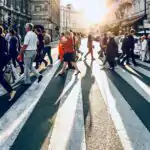
Pedestrians are people who move from one place to another on foot. They must follow certain rules to avoid accidents while walking or crossing roads.
The following are safety guidelines for pedestrians:
- Always walk on the sidewalk or left side of the road facing oncoming traffic.
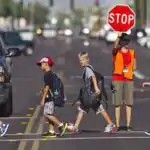
- Use pedestrian crossings, bridges, or zebra crossings when available.
- Look left, right, and left again before crossing.
- Avoid running or playing on the road.
- Obey traffic lights and signals meant for pedestrians.
Safety Guidelines for Cyclists/Motorcyclists
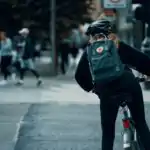
Cyclists and motorcyclists are riders who use bicycles or motorcycles. They must ride safely to avoid road accidents.
The following are safety guidelines for Cyclists and motorcyclists:
- Always wear a helmet and protective gear.
- Ride on the correct side of the road following traffic rules.
- Use reflectors and lights at night for visibility.
- Do not carry more than one passenger on a bicycle.
- Obey traffic signs, signals, and road markings.
- Avoid reckless riding or over-speeding.
Safety Guidelines for Motorists
Motorists are people who drive cars, buses, or trucks. They are responsible for ensuring safety for themselves and other road users.
The following are safety guidelines for Motorists:
- Obey traffic lights, road signs, and speed limits.
- Do not drink alcohol or take drugs before driving.
- Ensure the vehicle is in good condition before driving.
- Use seat belts at all times and ensure passengers do the same.
- Avoid distractions such as using phones while driving.
- Give way to pedestrians at crossings.
Teaching Methods/Instructional Techniques:
Discussion, Lecture, Storytelling, Explanation, Demonstration, Question and Answer, Group Work, Use of Visual Aids
Instructional Procedures
To deliver this lesson, the teacher will adopt the following steps:
Step 1: Introduction
Time: 5 minutes
Teaching Skill: Set Induction
Teacher’s Activity: The teacher narrates a short story of a child who did not obey road safety rules and got injured, then asks pupils what they know about road safety.
Pupils’ Activity: Pupils listen and respond with their experiences.
Learning Point: Pupils become interested in learning about road safety.
Step 2: Explanation of Safety Guidelines for Pedestrians
Time: 8 minutes
Teaching Skill: Explanation
Teacher’s Activity: The teacher explains who pedestrians are and lists guidelines for pedestrians.
Pupils’ Activity: Pupils listen and repeat the rules after the teacher.
Learning Point: Pupils understand safety rules for pedestrians.
Step 3: Explanation of Safety Guidelines for Cyclists/Motorcyclists
Time: 8 minutes
Teaching Skill: Demonstration
Teacher’s Activity: The teacher shows pictures of cyclists/motorcyclists and explains the rules, including the use of helmets and road discipline.
Pupils’ Activity: Pupils observe, listen, and ask questions.
Learning Point: Pupils understand safety rules for cyclists and motorcyclists.
Step 4: Explanation of Safety Guidelines for Motorists
Time: 8 minutes
Teaching Skill: Discussion
Teacher’s Activity: The teacher defines motorists and discusses their safety responsibilities using charts or posters.
Pupils’ Activity: Pupils participate in the discussion by giving examples of what they have seen motorists do.
Learning Point: Pupils understand safety rules for motorists.
Step 5: Note-Taking
Time: 5 minutes
Teaching Skill: Explanation
Teacher’s Activity: The teacher dictates or writes the board summary for pupils to copy into their notebooks.
Pupils’ Activity: Pupils write notes in their exercise books.
Learning Point: Pupils record key points of the lesson.
Step 6: Evaluation/Review
Time: 5 minutes
Teaching Skill: Question and Answer
Teacher’s Activity: The teacher evaluates the learning by asking the following questions:
- Who is a pedestrian?
- Mention three safety guidelines for pedestrians.
- State two safety rules for cyclists or motorcyclists.
- Give two safety guidelines motorists must follow.
- Why is it important to follow road safety rules?
Pupils’ Activity: Pupils answer the teacher’s questions.
Learning Point: Pupils demonstrate understanding of road safety rules.
Step 7: Conclusion
Time: 3 minutes
Teaching Skill: Reinforcement
Teacher’s Activity: The teacher summarizes the lesson and emphasizes the importance of obeying safety guidelines for all road users.
Pupils’ Activity: Pupils listen and ask final questions.
Learning Point: Pupils appreciate the need for safe road practices.
Home Task: Record two correct examples of Safety Guidelines from the lesson or home environment and explain each in your own words.
Lesson Keywords
- Pedestrian – A person walking on the road.
- Motorist – A person who drives a car, bus, or truck.
- Cyclist – A person who rides a bicycle.
- Helmet – Protective headgear used by cyclists/motorcyclists.
- Traffic Lights – Road signals that control movement of vehicles and pedestrians.
Differentiation
The teacher will use visual aids for learners who learn better by seeing, oral explanations for auditory learners, and demonstrations for kinesthetic learners to ensure inclusivity.
Note for teachers using this lesson plan
Teachers should emphasize practical demonstrations such as how to cross the road, and where possible, use real-life objects like helmets and reflective jackets to make the lesson more impactful.
Community Join the conversation Open discussion +