

Class: Junior Secondary School 1 (JSS1, JSS 1)
Term: 3rd Term
Week: 6
Age: 12 years
Duration: 45 minutes
Subject: Basic Technology
Curriculum Theme: Basic Science and Technology
Previous Lesson: Metal Work Hand Tools, Driving Tools, Cutting Tools, and Boring Tools.
Topic: MAINTENANCE OF TOOLS AND MACHINES
Subject Matter: Definition of maintenance, Types and applications of maintenance, Importance of maintenance.
Specific Objectives
By the end of the lesson, pupils should be able to:
Step 7: Evaluation/Review
Time: 5 minutes
Teaching Skill: Questioning/Assessment
Teacher’s Activity: The teacher evaluates the learning by asking the following questions:
- Define maintenance.
- Mention two types of maintenance.
- State three reasons why maintenance is important.
- Give two examples of tools that require regular maintenance.
Pupils’ Activity: Pupils answer orally and in writing.
Learning Point: Pupils demonstrate understanding of the lesson.
Step 8: Conclusion
Time: 5 minutes
Teaching Skill: Summarization/Assignment
Teacher’s Activity: The teacher summarizes the key points of the lesson, reiterating the importance of maintenance. The teacher assigns homework: list five tools found at home and describe one maintenance activity for each.
Pupils’ Activity: Pupils listen to the summary and copy the homework assignment.
Learning Point: The lesson is reinforced and pupils are given an opportunity to apply their learning.
Lesson Keywords
- Maintenance – Actions taken to keep tools and machines in good working condition.
- Preventive Maintenance – Routine actions to prevent breakdowns before they occur.
- Corrective Maintenance – Actions taken to repair tools or machines after they have broken down.
- Tools – Devices used to carry out a particular function.
- Machines – Devices that use power to apply force and control movement.
Differentiation
For pupils who grasp concepts quickly, the teacher can encourage them to research advanced maintenance techniques or different types of lubricants. For pupils needing more support, the teacher will provide simplified definitions and additional hands-on practice with the tools, focusing on basic cleaning and inspection.
Note for teachers using this lesson plan
Teachers should ensure that all demonstrations are carried out safely, emphasizing safety precautions when handling tools. Encourage pupils to bring examples of tools from home (with parental permission) to discuss their maintenance needs. Practical engagement will enhance understanding.
Cognitive Domain:
- Define maintenance.
- List two types of maintenance.
- State three reasons for the importance of maintenance.
Affective Domain:
- Appreciate the need for regular maintenance of tools and machines.
- Develop a positive attitude towards caring for tools.
Psychomotor Domain:
- Identify tools and machines that require maintenance.
- Demonstrate simple maintenance practices on common tools.
Social Domain:
- Share knowledge on the benefits of maintenance with peers.
- Encourage collaborative efforts in maintaining school equipment.
Reference Materials
The following resources were used in planning this lesson:
- 9 Years Basic Education Curriculum for Basic Technology JSS 1-3.
- State Unified Scheme of Work for Basic Technology JSS 1.
- Basic Technology for Junior Secondary Schools Book 1 by N.G. Anadi.
- https://www.wikipedia.org/wiki/Maintenance
Instructional Materials
The teacher will teach this lesson with the aid of:
- Charts showing different types of maintenance.
- Video clips demonstrating tool maintenance.
- Examples of simple machines (e.g., lever, pulley).
- A cutlass, a wheelbarrow.
- Cleaning rags, oil/grease.
Rationale for the Lesson
This lesson helps pupils understand the practical steps needed to keep tools and machines in good working order. Learning about maintenance enables pupils to extend the lifespan of their equipment and ensures their safety when using various tools at home and in school.
Prerequisite/Previous Knowledge
Pupils have prior knowledge of different types of tools and simple machines used in daily life.
Lesson Content/Board Summary
MAINTENANCE OF TOOLS AND MACHINES
Machines
A machine is any device that makes work easier. Machines can be simple or complex and are used to perform various tasks by changing the direction or magnitude of force.
Examples of machines include:
- Hammer
- Lever
- Wheelbarrow
- Scissors
- Bicycle
Definition of Maintenance
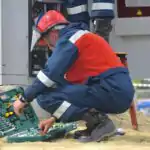
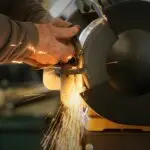
Maintenance refers to the process of keeping tools, machines, and equipment in good working condition. It involves regular checks, cleaning, lubrication, repair, and replacement of worn-out parts to ensure efficiency and prolong their lifespan.
Types of Maintenance
There are different types of maintenance practices, including:
- Preventive Maintenance: This involves regular, scheduled activities performed to prevent failures and keep equipment running smoothly. Examples include routine cleaning, oiling, and inspections.
- Corrective Maintenance (or Breakdown Maintenance): This is performed when a tool or machine has already broken down or malfunctioned. It involves repairing or replacing faulty parts to restore functionality.
- Predictive Maintenance: This uses data and monitoring techniques to predict when equipment might fail, allowing maintenance to be scheduled before a breakdown occurs.
Importance of Maintenance
Maintaining tools and machines is important for several reasons:
- It prolongs the lifespan of the tools and machines.
- It ensures the safety of the user by preventing accidents caused by faulty equipment.
- It improves efficiency and performance of the tools.
- It saves money by avoiding costly repairs or replacements.
- It helps to keep the tools in good working condition for future use.
- It prevents unexpected breakdowns during critical tasks.
Teaching Methods/Instructional Techniques
Discussion, Lecture, Demonstration, Question and Answer, Visual Aids
Instructional Procedures
Step 1: Introduction
Time: 5 minutes
Teaching Skill: Set Induction
Teacher’s Activity: The teacher greets the pupils and asks them questions about how they care for their personal belongings like school bags, shoes, or bicycles. The teacher then links their responses to the care of tools and machines.
Pupils’ Activity: Pupils respond to the questions and share their experiences on caring for their belongings.
Learning Point: Pupils are introduced to the concept of care and maintenance.
Step 2: Definition of Maintenance
Time: 10 minutes
Teaching Skill: Explanation/Lecture
Teacher’s Activity: The teacher explains the meaning of maintenance using simple language and practical examples from the pupils’ environment. The teacher writes the definition on the board.
Pupils’ Activity: Pupils listen attentively, ask questions for clarification, and copy the definition into their notebooks.
Learning Point: Pupils understand what maintenance means.
Step 3: Types of Maintenance
Time: 10 minutes
Teaching Skill: Explanation/Illustration
Teacher’s Activity: The teacher explains the two main types of maintenance: preventive and corrective, giving practical examples for each. The teacher uses the charts and video clips to illustrate the differences.
Pupils’ Activity: Pupils observe the illustrations, listen to explanations, and identify examples of preventive and corrective maintenance.
Learning Point: Pupils can differentiate between preventive and corrective maintenance.
Step 4: Applications of Maintenance
Time: 5 minutes
Teaching Skill: Demonstration/Discussion
Teacher’s Activity: The teacher shows the pupils the simple machines, cutlass, and wheelbarrow, asking them to identify parts that might need maintenance. The teacher discusses various items that require maintenance.
Pupils’ Activity: Pupils identify parts of the presented tools that need maintenance and mention other items that require maintenance.
Learning Point: Pupils understand that many items require maintenance.
Step 5: Importance of Maintenance
Time: 5 minutes
Teaching Skill: Discussion/Question and Answer
Teacher’s Activity: The teacher leads a discussion on why it is important to maintain tools and machines. The teacher guides pupils to state the benefits, emphasizing safety and cost-saving.
Pupils’ Activity: Pupils actively participate in the discussion and state reasons why maintenance is important.
Learning Point: Pupils understand the benefits of maintaining tools and machines.
Step 6: Practical Demonstration
Time: 5 minutes
Teaching Skill: Demonstration
Teacher’s Activity: The teacher briefly demonstrates simple maintenance practices on the cutlass (e.g., cleaning, oiling) and the wheelbarrow (e.g., checking tire pressure, lubricating axle).
Pupils’ Activity: Pupils observe the demonstration carefully and ask relevant questions.
Learning Point: Pupils see practical examples of maintenance practices.


Community Join the conversation Open discussion +