

Class: Junior Secondary School 1 (JSS1, JSS 1)
Term: 3rd Term
Week: 3
Age: 12 years
Duration: 45 minutes
Subject: Basic Technology
Curriculum Theme: Basic Science and Technology
Previous Lesson: Woodwork Hand Tools, Boring Tools, Cutting Tools, and Care and Maintenance.
Topic: WOODWORK HAND TOOLS
Subject Matter: Driving and impelling tools, holding devices, and their care and maintenance.
Specific Objectives
By the end of the lesson, pupils should be able to:
Step 2: Presentation of Driving and Impelling Tools
Time: 10 minutes
Teaching Skill: Explanation/Demonstration
Teacher’s Activity: The teacher displays various driving and impelling tools (e.g., hammer, mallet, screwdrivers). The teacher defines what driving and impelling tools are and demonstrates how each tool is held and used, explaining its specific purpose.
Pupils’ Activity: Pupils observe the tools and demonstrations, identify the tools, and ask questions for clarification.
Learning Point: Pupils learn to identify and understand the function of driving and impelling tools.
Step 4: Presentation of Holding Devices
Time: 10 minutes
Teaching Skill: Explanation/Demonstration
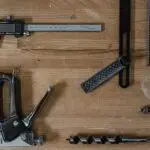
Teacher’s Activity: The teacher displays various holding devices (e.g., bench vise, G-clamp). The teacher defines what holding devices are and demonstrates how each tool is used to secure a workpiece, explaining its specific purpose.
Pupils’ Activity: Pupils observe the tools and demonstrations, identify the holding devices, and ask questions.
Learning Point: Pupils learn to identify and understand the function of holding devices.
Step 7: Evaluation/Review
Time: 5 minutes
Teaching Skill: Questioning/Assessment
Teacher’s Activity: The teacher evaluates the learning by asking the following questions:
- Define driving and impelling tools.
- List three examples of driving and impelling tools.
- Mention two examples of holding devices and state their uses.
- State two ways to care for woodwork hand tools.
Pupils’ Activity: Pupils answer orally and in writing.
Learning Point: Pupils demonstrate understanding of the lesson.
Step 8: Conclusion
Time: 5 minutes
Teaching Skill: Summarization/Assignment
Teacher’s Activity: The teacher summarizes the main points of the lesson, emphasizing the importance of knowing and caring for woodwork hand tools. The teacher assigns homework: “Draw and label a claw hammer and a G-clamp.”
Pupils’ Activity: Pupils listen to the summary and copy the homework.
Learning Point: Pupils consolidate their learning and prepare for further practice.
Home Task: Record two correct examples of WOODWORK HAND TOOLS from the lesson or home environment and explain each in your own words.
Lesson Keywords
- Driving tools – Tools used to push or strike other objects, like nails or chisels.
- Impelling tools – Another term for driving tools, used to apply force.
- Holding devices – Tools used to secure workpieces firmly in place.
- Hammer – A tool with a heavy metal head and a handle, used for driving nails.
- Mallet – A hammer with a soft head (wood, rubber) used for striking without damage.
- Screwdriver – A tool used for turning screws.
- Vise – A mechanical device with jaws for holding an object firmly.
- G-clamp – A portable clamp shaped like the letter ‘G’, used for holding small workpieces.
- Maintenance – The process of keeping tools in good condition.
Differentiation
For struggling learners, the teacher will provide simplified charts with labeled tools and give more direct guidance during identification. For advanced learners, the teacher will encourage them to research and present on more specialized woodwork tools or discuss the materials used in tool construction.
Note for teachers using this lesson plan
Ensure that actual tools are available for demonstration to enhance practical understanding. Emphasize safety precautions when handling tools, even during identification. Encourage pupils to draw the tools in their notebooks as a way to reinforce learning and visual memory.
Cognitive Domain:
- Define driving and impelling tools.
- Identify and list examples of driving and impelling tools.
- Identify and list examples of holding devices.
- State the uses of common driving and impelling tools.
- State the uses of common holding devices.
Affective Domain:
- Appreciate the importance of proper tool usage and safety.
- Value the proper care and maintenance of woodwork hand tools.
- Show interest in learning about different types of hand tools.
Psychomotor Domain:
- Draw and label simple driving tools and holding devices.
- Demonstrate how to hold some tools correctly (if available).
Social Domain:
- Collaborate with peers to identify and discuss various tools.
- Participate actively in class discussions about tool safety and care.
Reference Materials
The following resources were used in planning this lesson:
- 9 Years Basic Education Curriculum for Basic Technology JSS 1-3.
- State Unified Scheme of Work for Basic Technology JSS 1.
- Evans Basic Technology for Junior Secondary Schools, Book 1.
- www.woodworkweb.com – for information on woodworking tools.
Instructional Materials
The teacher will teach this lesson with the aid of:
- Actual woodwork driving tools (e.g., hammer, mallet, screwdriver).
- Actual woodwork holding devices (e.g., vice, G-clamp, bench hook).
- Charts showing different woodwork hand tools.
- Video clips demonstrating the use and care of tools.
- Whiteboard/blackboard and markers/chalk.
Rationale for the Lesson
This lesson helps pupils to understand the basic tools used in woodworking, which is a fundamental skill in technology. Knowing these tools and their proper use enables pupils to perform simple tasks safely and efficiently, building a foundation for practical skills.
Prerequisite/Previous Knowledge
Pupils have some general knowledge of simple tools used at home and understand the importance of safety when handling objects.
Lesson Content/Board Summary
WOODWORK HAND TOOLS
Driving and Impelling Tools
Driving and impelling tools are hand tools used to push or drive other objects, such as nails, screws, or chisels, into wood or other materials. They are designed to apply force to make things move or penetrate.
The following are examples of driving and impelling tools:
- Hammers: Used for driving nails, fitting parts, and breaking objects. Examples include claw hammer, ball-peen hammer.
- Mallets: Used for striking chisels or tapping wood joints without causing damage. They are usually made of wood, rubber, or plastic.
- Screwdrivers: Used for driving in or removing screws. They come in various types such as flat-head (slot) and Phillips-head.
- Punches: Used for marking centers or driving pins.
Holding Devices
Holding devices are tools used to hold workpieces firmly in place during woodworking operations. This ensures stability, accuracy, and safety while cutting, shaping, or joining wood.
The following are examples of holding devices:
- Bench Vise: A mechanical screw device attached to a workbench, used for holding wood securely.
- G-Clamp: A portable clamp shaped like the letter ‘G’, used for holding smaller pieces of wood together or to a workbench.
- Bar Clamp: Used for holding large workpieces, especially when gluing long boards together.
- Hand Screw Clamp: A clamp with two wooden jaws adjusted by two screws, used for holding irregularly shaped pieces.
- Bench Hook: A simple wooden device used to hold small pieces of wood while sawing across the grain, protecting the workbench.
Care and Maintenance of Woodwork Hand Tools
Proper care and maintenance extend the life of tools, ensure their efficiency, and promote safety in the workshop.
The following are ways to care for and maintain woodwork hand tools:
- Always clean tools after use to remove sawdust, grease, or dirt.
- Store tools in their designated places, such as toolboxes, racks, or wallboards.
- Sharpen cutting edges of tools like chisels and planes regularly.
- Oil or grease metal parts of tools to prevent rust, especially for long-term storage.
- Repair or replace damaged handles or worn parts promptly.
- Never use a tool for a purpose it was not designed for.
- Keep tools dry and away from moisture.
Teaching Methods/Instructional Techniques
Discussion, Lecture, Demonstration, Question and Answer, Visual Aids
Instructional Procedures
Step 1: Introduction
Time: 5 minutes
Teaching Skill: Set Induction
Teacher’s Activity: The teacher greets the pupils and asks them to mention any tools they use at home for simple repairs or tasks. The teacher then introduces the topic: “WOODWORK HAND TOOLS” and explains that these are specific tools used for working with wood.
Pupils’ Activity: Pupils respond to the teacher’s questions by mentioning familiar tools and listen attentively to the introduction.
Learning Point: Pupils recall prior knowledge of tools and are prepared for the lesson.
Step 3: Discussion of Driving and Impelling Tools
Time: 5 minutes
Teaching Skill: Questioning/Discussion
Teacher’s Activity: The teacher leads a discussion on the examples and uses of driving and impelling tools, encouraging pupils to state what they have learned from the demonstration. The teacher writes key points on the board.
Pupils’ Activity: Pupils actively participate by stating examples and uses of the tools discussed.
Learning Point: Pupils reinforce their understanding of driving and impelling tools through verbal interaction.
Step 3: Holding Devices
Time: 10 minutes
Teaching Skill: Explanation/Demonstration
Teacher’s Activity: The teacher defines holding devices, displays actual examples of a bench vise, G-clamp, and bar clamp, and explains their functions. The teacher demonstrates how to operate these devices to hold a workpiece.
Pupils’ Activity: Pupils observe the holding devices, listen to the explanations, and identify them. Some pupils may practice operating the clamps.
Learning Point: Pupils understand the meaning and examples of holding devices and how they are used to secure workpieces.
Step 6: Care and Maintenance of Woodwork Hand Tools
Time: 5 minutes
Teaching Skill: Explanation
Teacher’s Activity: The teacher explains the importance of proper care and maintenance for woodwork hand tools. The teacher lists and briefly explains key maintenance practices such as cleaning, oiling, and proper storage. The teacher adds these points to the board summary.
Pupils’ Activity: Pupils listen and take notes, asking questions about tool care.
Learning Point: Pupils understand the need for and methods of caring for hand tools.
Community Join the conversation Open discussion +