

Class: Primary 4
Term: 1st Term
Week: 1
Age: 9 years
Duration: 45 minutes
Subject: Asụsụ Igbo
Curriculum Theme: Nigerian Language
Previous Lesson: .
Topic: (A) ASỤSỤ: Ọnụọgụgụ (B) AGỤMAGỤ: Ejije Dị Nkenke
Subject Matter: Ịgụ ọnụọgụgụ 1–50, ide ọnụọgụgụ 1–50, ịza ajụjụ gbasara ọnụọgụgụ, ejije dị nkenke metụtara ịzụ ahịa, omume na mmegharị ndị na-eso ịzụ ahịa
Specific Objectives
By the end of the lesson, pupils should be able to:
Cognitive Domain:
- Identify and read Igbo numbers 1–50.
- Answer questions about Igbo numbers.
- State the roles of participants in a market drama.
Affective Domain:
- Appreciate the importance of numbers in daily life.
- Show interest in participating in short dramas.
- Demonstrate good behaviour during market interactions.
Psychomotor Domain:
- Write Igbo numbers 1–50 correctly.
- Perform simple roles and actions in a market-themed short drama.
Social Domain:
- Interact appropriately with others while acting out a market scene.
- Use basic Igbo phrases for buying and selling.
Reference Materials
The following resources were used in planning this lesson:
- 9 Years Basic Education Curriculum (Primary 4)
- State Unified Scheme of Work (Primary 4)
- Akwụkwọ Asụsụ Igbo Maka Primary School 4
- https://www.education.gov.ng
- https://www.nerdc.gov.ng
Instructional Materials
The teacher will teach this lesson with the aid of:
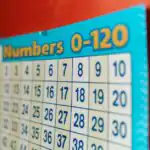
- Kaadị ọnụọgụgụ (Number cards) showing Igbo numbers 1-50
- Akwụkwọ ọgụgụ (Igbo textbook)
- Chalk/marker and whiteboard/blackboard
- Ihe atụ ahịa (Market examples such as toy money, small goods like fruits or vegetables)
Rationale for the Lesson
This lesson helps pupils to understand and use Igbo numbers, which are important for everyday activities like counting and buying things. It also enables them to practice speaking and interacting in Igbo through a short drama about market activities, making learning practical and engaging.
Prerequisite/Previous Knowledge
Pupils are familiar with some basic numbers in Igbo or English and have observed market activities in their communities.
Lesson Content/Board Summary
ASỤSỤ: Ọnụọgụgụ na AGỤMAGỤ: Ejije Dị Nkenke
Ịgụ na Ide Ọnụọgụgụ 1–50 n’Asụsụ Igbo
Ọnụọgụgụ bụ okwu anyị ji agụ ihe dị iche iche. Ịmara ọnụọgụgụ dị mkpa maka ịgụta, ịzụ ahịa, na ọtụtụ ihe ndị ọzọ n’ụbọchị anyị.
Ụfọdụ ọnụọgụgụ Igbo site na 1 ruo 10 bụ:
- 1 – Otu
- 2 – Abụọ
- 3 – Atọ
- 4 – Anọ
- 5 – Ise
- 6 – Isii
- 7 – Asaa
- 8 – Asatọ
- 9 – Iteghete
- 10 – Iri
Ejije Dị Nkenke: Ịzụ Ahịa
Ejije dị nkenke bụ obere ihe nkiri e ji egosipụta ihe na-eme n’ezie. Ejije gbasara ịzụ ahịa na-enyere aka igosi otú ndị mmadụ si azụ ahịa n’ahịa, otú ha si ekwu okwu, na omume ha.
Ihe ndị dị mkpa na-eme n’ejije ịzụ ahịa gụnyere:
- Onye na-ere ahịa: Onye na-enye ngwongwo ka e ree.
- Onye na-azụ ahịa: Onye na-achọ ịzụta ngwongwo.
- Ịjụ ọnụ: Ajụjụ gbasara ego ngwongwo.
- Ịgba ọnụ: Mkparịta ụka gbasara ego ngwongwo iji belata ọnụahịa.
- Ịkwụ ụgwọ: Inye ego maka ngwongwo e zụtara.
Teaching Methods/Instructional Techniques
Discussion, Lecture, Demonstration, Question and Answer, Visual Aids
Instructional Procedures
Step 1: Introduction
Time: 5 minutes
Teaching Skill: Set Induction
Teacher’s Activity: The teacher greets the pupils, reviews the previous lesson briefly, and then asks pupils if they know how to count in Igbo. The teacher introduces the topic by showing number cards and asking about market activities.
Pupils’ Activity: Pupils respond to greetings, recall previous knowledge, and answer questions about counting and markets.
Learning Point: Pupils are prepared for the lesson and connect it to their prior knowledge.
Step 2: Presentation of Ọnụọgụgụ 1–50
Time: 8 minutes
Teaching Skill: Explanation/Demonstration
Teacher’s Activity: The teacher displays number cards from 1 to 50 in Igbo. The teacher reads each number aloud and guides the pupils to repeat after them. The teacher writes some of the numbers on the board and demonstrates how to write them correctly.
Pupils’ Activity: Pupils listen attentively, repeat the numbers after the teacher, and observe how to write them on the board.
Learning Point: Pupils learn to identify and pronounce Igbo numbers 1–50.
Step 3: Practice Ọnụọgụgụ
Time: 7 minutes
Teaching Skill: Guided Practice
Teacher’s Activity: The teacher asks individual pupils to read specific numbers from the cards or board. The teacher then instructs pupils to write numbers 1–10 in their notebooks and supervises them, providing assistance where needed.
Pupils’ Activity: Pupils read numbers when called upon and practice writing numbers 1–10 in their notebooks.
Learning Point: Pupils gain confidence in reading and writing Igbo numbers.
Step 4: Introduction to Ejije Dị Nkenke: Ịzụ Ahịa
Time: 5 minutes
Teaching Skill: Explanation
Teacher’s Activity: The teacher explains what a short drama (ejije dị nkenke) is and how it helps to understand real-life situations. The teacher introduces the idea of a market scene and the roles involved (seller, buyer).
Pupils’ Activity: Pupils listen and understand the concept of a short drama and its relevance to market activities.
Learning Point: Pupils understand the purpose and context of the market drama.
Step 5: Demonstration and Role Play of Ejije Dị Nkenke
Time: 8 minutes
Teaching Skill: Demonstration/Role-playing
Teacher’s Activity: The teacher uses the instructional materials (toy money, goods) to set up a small market scene. The teacher first demonstrates a simple buying and selling interaction, then selects pupils to act out roles as sellers and buyers, guiding them on appropriate dialogue and actions in Igbo.
Pupils’ Activity: Pupils observe the teacher’s demonstration and then actively participate in the role-play, practicing market interactions in Igbo.
Learning Point: Pupils practice speaking Igbo in a practical context and learn market etiquette.
Step 6: Discussion on Ejije and Market Etiquette
Time: 2 minutes
Teaching Skill: Discussion
Teacher’s Activity: The teacher leads a brief discussion on what happened during the drama. The teacher asks pupils about the importance of politeness, bargaining, and using Igbo language in the market.
Pupils’ Activity: Pupils contribute to the discussion, sharing their observations and understanding of market interactions and good behaviour.
Learning Point: Pupils reinforce their understanding of social skills and language use in market settings.
Step 7: Evaluation/Review
Time: 5 minutes
Teaching Skill: Questioning/Assessment
Teacher’s Activity: The teacher evaluates the learning by asking the following questions:
- Gụọ ọnụọgụgụ ndị a n’Igbo: 1, 5, 10, 20, 30. (Read these numbers in Igbo: 1, 5, 10, 20, 30.)
- Dee ọnụọgụgụ 7 na 15 n’Igbo. (Write numbers 7 and 15 in Igbo.)
- Gịnị ka “ejije dị nkenke” pụtara? (What does “short drama” mean?)
- Kọwaa ọrụ onye na-ere ahịa n’ejije ịzụ ahịa. (Explain the role of a seller in a market drama.)
Pupils’ Activity: Pupils answer orally and in writing.
Learning Point: Pupils demonstrate understanding of the lesson.
Step 8: Conclusion
Time: 5 minutes
Teaching Skill: Summarization
Teacher’s Activity: The teacher summarizes the key points of the lesson, emphasizing the importance of knowing Igbo numbers and practicing market interactions. The teacher assigns homework: “Dee ọnụọgụgụ 1-20 n’Igbo n’ime akwụkwọ ndetu gị.” (Write numbers 1-20 in Igbo in your notebook.)
Pupils’ Activity: Pupils listen to the summary and copy down the homework assignment.
Learning Point: Pupils consolidate their learning and are given tasks to reinforce understanding.
Lesson Keywords
- Ọnụọgụgụ – Numbers
- Ejije – Drama/Play
- Ịzụ ahịa – Buying/Selling/Market
- Onye na-ere ahịa – Seller
- Onye na-azụ ahịa – Buyer
- Otu – One
- Abụọ – Two
- Iri – Ten
Differentiation
For pupils who find it difficult to grasp, the teacher will provide extra support by working with them individually or in small groups, focusing on simpler numbers and basic drama roles. For advanced learners, the teacher will challenge them to count higher numbers, create more complex market dialogues, or identify more roles in a market setting.
Note for teachers using this lesson plan
Ensure active participation from all pupils, especially during the reading of numbers and the drama activity. Encourage pupils to use Igbo language as much as possible throughout the lesson. Make the market drama engaging by using real-life examples and allowing pupils creativity in their roles. Emphasize the practical application of numbers and language in daily life.


Community Join the conversation Open discussion +