

Class: Primary 4
Term: 3rd Term
Week: 10
Age: 9 years
Duration: 45 minutes
Subject: Asụsụ Igbo
Curriculum Theme: Nigerian Language
Previous Lesson: Ejije Nkenke, Mkparịta Ore Ahịa na Ọzụ Ahịa and Akụkọ Ifo Ezi Enyi.
Topic: A) Omenala: Mkparịtaụka B) AGỤMAGỤ: Akụkọ ifo
Subject Matter: Mkparịtaụka banyere ejiji mba dị iche iche, ikwu ihe ndị na-amasị na ndị anaghị amasị, ajụjụ na azịza, akụkọ ifo metụtara iso òtù ọjọọ, okwu ọhụrụ n’ederede agụpụtara, ihe mmụta sitere n’akụkọ ifo
Specific Objectives
By the end of the lesson, pupils should be able to:
Cognitive Domain:
- Kwuo ma kọwaa ejiji mba dị iche iche.
- Kọọ akụkọ ifo metụtara iso òtù ọjọọ.
- Kọwaa okwu ọhụrụ sitere n’akụkọ ifo ahụ.
- Jụọ ajụjụ gbasara akụkọ ifo ahụ.
Affective Domain:
- Kwupụta ihe ha na-amasị na ndị na-anaghị amasị gbasara ejiji mba.
- Kwupụta ihe mmụta sitere n’akụkọ ifo.
- Zaa ajụjụ gbasara akụkọ ifo ahụ n’ụzọ ziri ezi.
Psychomotor Domain:
- Soro na mkparịtaụka gbasara ejiji mba dị iche iche.
- Dee okwu ọhụrụ na ihe mmụta n’akwụkwọ ha.
Social Domain:
- Soro na mkparịtaụka n’ụzọ kwesịrị ekwesị.
- Gosi nkwanye ùgwù mgbe ha na-ajụ ma na-aza ajụjụ.
Reference Materials
The following resources were used in planning this lesson:
- 9 Years Basic Education Curriculum for Primary Schools.
- State Unified Scheme of Work for Primary 4 Asụsụ Igbo.
- Ụtọ Asụsụ Igbo maka ụlọ akwụkwọ praịmarị 4.
- https://www.education.gov.ng/curriculum/
- https://www.nigerianlanguages.gov.ng/
Instructional Materials
The teacher will teach this lesson with the aid of:
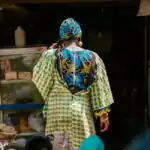
- Foto ejiji mba dị iche iche (Pictures of different national attires).
- Akwụkwọ akụkọ ifo ma ọ bụ eserese akụkọ ifo (Folktale book or chart).
- Kaadị okwu ọhụrụ (Word cards).
- Chalk/marker na bọọdụ.
Rationale for the Lesson
This lesson helps pupils to understand and appreciate different national attires, which promotes cultural awareness. It also enables them to develop good communication skills through discussions and to learn moral lessons from folktales that guide their behavior in society.
Prerequisite/Previous Knowledge
Pupils are expected to have basic knowledge of Igbo greetings, simple conversations, and some understanding of cultural practices in their communities.
Lesson Content/Board Summary
Omenala: Mkparịtaụka na Akụkọ Ifo
Mkparịtaụka Banyere Ejiji Mba Dị Iche Iche
Ejiji mba bụ uwe pụrụ iche ndị mmadụ na-eyi na mba dị iche iche iji gosi omenala na njirimara ha. Ejiji ndị a na-egosipụta ọdịbendị na akụkọ ihe mere eme nke mba ahụ.
Ụzọ a na-esi ekwu ihe masịrị ma ọ bụ ihe na-amasịghị mmadụ gbasara ejiji:
- Ihe na-amasị m: A na-eji nke a ekwu ihe masịrị gị. Dịka ọmụmaatụ: “Ejiji a na-amasị m.”
- Ihe na-amasịghị m: A na-eji nke a ekwu ihe na-amasịghị gị. Dịka ọmụmaatụ: “Ejiji a na-amasịghị m.”
Akụkọ Ifo Banyere Iso Òtù Ọjọọ
Akụkọ ifo bụ akụkọ ochie a na-akọ site n’ọgbọ ruo n’ọgbọ iji kụzie ihe omume na ụkpụrụ ndụ. Ha na-abụkarị akụkọ na-atọ ụtọ nke na-ebute ihe mmụta.
Akụkọ ifo gbasara nwa okorobịa aha ya bụ “Obi” onye jụrụ ndụmọdụ ndị mụrụ ya ma soro ụmụ okorobịa ọjọọ. Ha kụziiri ya omume ọjọọ dị iche iche dịka izu ohi na ịgha ụgha. N’ikpeazụ, e jidere ha, Obi wee chegharịa ma mụta ihe mmụta dị mkpa na iso òtù ọjọọ adịghị mma.
Ụfọdụ okwu ọhụrụ sitere n’akụkọ ifo a:
- Òtù ọjọọ: Nke a pụtara otu ndị mmadụ na-eme ihe ọjọọ ma na-emebi iwu.
- Izu ohi: Nke a pụtara iwere ihe na-abụghị nke gị na-enweghị ikike.
- Ịgha ụgha: Nke a pụtara ikwu ihe na-abụghị eziokwu.
- Chegharịa: Nke a pụtara ịgbanwe obi ma hapụ omume ọjọọ.
Ihe mmụta sitere n’akụkọ ifo a:
- Ọ dị mma irube isi n’okwu ndị mụrụ anyị.
- Iso òtù ọjọọ na-ebute nsogbu.
- Ekwesịrị ịhọrọ ndị enyi anyị nke ọma.
- Ịgha ụgha na izu ohi bụ omume ọjọọ.
Teaching Methods/Instructional Techniques
Discussion, Lecture, Demonstration, Question and Answer, Visual Aids
Instructional Procedures
Step 1: Introduction
Time: 5 minutes
Teaching Skill: Set Induction
Teacher’s Activity: The teacher greets the pupils and reviews the previous lesson. The teacher then introduces the new topic by asking pupils if they know different types of attire people wear in Nigeria or other countries.
Pupils’ Activity: Pupils respond to greetings, recall the previous lesson, and attempt to answer the teacher’s questions.
Learning Point: Pupils connect with the new lesson and activate prior knowledge.
Step 2: Presentation of Ejiji Mba
Time: 10 minutes
Teaching Skill: Explanation/Demonstration
Teacher’s Activity: The teacher shows pictures of different national attires (e.g., Igbo, Yoruba, Hausa, other African attires) and explains what “ejiji mba” means. The teacher models how to express likes and dislikes using Igbo phrases.
Pupils’ Activity: Pupils observe the pictures, listen to the explanations, and practice saying phrases like “Ihe a na-amasị m” and “Ihe a na-amasịghị m.”
Learning Point: Pupils learn about various national attires and how to express their preferences.
Step 3: Discussion on Ejiji
Time: 5 minutes
Teaching Skill: Question and Answer/Discussion
Teacher’s Activity: The teacher encourages pupils to discuss the attires shown, asking them which ones they like or dislike and why.
Pupils’ Activity: Pupils participate in the discussion, expressing their opinions and asking questions.
Learning Point: Pupils develop communication skills and cultural appreciation.
Step 4: Introduction to Akụkọ Ifo
Time: 5 minutes
Teaching Skill: Explanation
Teacher’s Activity: The teacher explains what an “akụkọ ifo” (folktale) is and its purpose. The teacher introduces the folktale about Obi and the bad group, highlighting that it teaches an important lesson.
Pupils’ Activity: Pupils listen attentively to the explanation and prepare to hear the story.
Learning Point: Pupils understand the concept and importance of folktales.
Step 5: Narration of Akụkọ Ifo
Time: 10 minutes
Teaching Skill: Storytelling/Vocabulary building
Teacher’s Activity: The teacher narrates the folktale clearly, using word cards to display new or difficult words as they appear in the story. The teacher ensures pupils understand the sequence of events.
Pupils’ Activity: Pupils listen to the folktale and try to understand the new words. They can ask for clarification if needed.
Learning Point: Pupils enjoy the story and learn new vocabulary.
Step 6: Discussion and Lessons Learned
Time: 5 minutes
Teaching Skill: Questioning/Analysis
Teacher’s Activity: The teacher leads a discussion on the folktale, asking questions about Obi’s actions, the consequences, and the moral lessons. The teacher guides pupils to identify the main lessons.
Pupils’ Activity: Pupils answer questions, discuss the story, and articulate the lessons they learned from Obi’s experience.
Learning Point: Pupils critically analyze the story and internalize moral values.
Step 7: Evaluation/Review
Time: 5 minutes
Teaching Skill: Questioning/Assessment
Teacher’s Activity: The teacher evaluates the learning by asking the following questions:
- Gịnị ka “ejiji mba” pụtara? (What does “national attire” mean?)
- Kpọọ ụdị ejiji mba abụọ ị maara. (Mention two types of national attire you know.)
- Kọwaa otu okwu ọhụrụ ị mụtara n’akụkọ ifo ahụ. (Explain one new word you learned from the folktale.)
- Gịnị bụ ihe mmụta dị mkpa ị mụtara n’akụkọ ifo banyere Obi? (What is the important lesson you learned from the folktale about Obi?)
Pupils’ Activity: Pupils answer orally and in writing.
Learning Point: Pupils demonstrate understanding of the lesson.
Step 8: Conclusion
Time: 5 minutes
Teaching Skill: Summarization/Consolidation
Teacher’s Activity: The teacher summarizes the key points of the lesson, emphasizing the importance of respecting different cultures and making good choices in life. The teacher assigns homework: “Dee ihe mmụta atọ ị mụtara n’akụkọ ifo ahụ n’akwụkwọ gị.” (Write three lessons you learned from the folktale in your notebook.)
Pupils’ Activity: Pupils listen to the summary and copy down the homework.
Learning Point: Pupils consolidate their learning and apply it to their lives.
Lesson Keywords
- Ejiji mba – National attire
- Mkparịtaụka – Discussion/Conversation
- Akụkọ ifo – Folktale
- Òtù ọjọọ – Bad group/Gang
- Ihe na-amasị – Likes
- Ihe anaghị amasị – Dislikes
- Chegharịa – Repent/Change one’s ways
Differentiation
For pupils who need extra support, the teacher will provide more visual aids and simplified questions during discussions. Peer support will be encouraged. For advanced pupils, they will be challenged to lead discussions, create short sentences using new vocabulary, or identify more complex moral lessons from the folktale.
Note for teachers using this lesson plan
Teachers should ensure the classroom environment is conducive for open discussion and storytelling. Encourage pupils to use Igbo language as much as possible throughout the lesson. The chosen folktale should be age-appropriate and clearly illustrate the dangers of associating with bad groups. Be prepared to show diverse examples of national attires.
Community Join the conversation Open discussion +