

Class: Primary 4
Term: Second Term
Week: 7
Age: 9 years
Duration: 45 minutes
Subject: Asụsụ Igbo
Curriculum Theme: Nigerian Language
Previous Lesson: Edemede Nduzi, Usoro Ide and Akaọrụ Ụfọdụ Obodo.
Topic: A) AGỤMAGỤ: Ilu dị mfe B) Omenala : Akaọrụ ndị Igbo
Subject Matter: Nkọwa ilu, ịtụ ma depụta ilu dị mfe, nkọwa ilu ndị a, uru ndị a na-erite n’inwe akaọrụ, imebe ahịrịmfe gbasara akaọrụ, inye atụ ilu ha nụrụla, ide ihe e dere n’ụgbọ.
Specific Objectives
By the end of the lesson, pupils should be able to:
Cognitive Domain:
- Define ‘ilu’ (proverb).
- State at least three simple ‘ilu’ and explain their meanings.
- Identify at least three benefits of ‘akaọrụ’ (handicrafts).
Affective Domain:
- Appreciate the importance of ‘ilu’ in transmitting wisdom and morals.
- Value ‘akaọrụ’ as an important part of Igbo culture and heritage.
Psychomotor Domain:
- Write simple sentences describing different ‘akaọrụ’.
- List some ‘ilu’ they have heard from their homes or community.
Social Domain:
- Participate actively in discussions about Igbo proverbs and handicrafts.
- Share their knowledge of ‘ilu’ and ‘akaọrụ’ with their classmates.
Reference Materials
The following resources were used in planning this lesson:
- 9 Years Basic Education Curriculum
- State Unified Scheme of Work
- Mkpụrụ Akwụkwọ Igbo maka Praịmarị 4
Instructional Materials
The teacher will teach this lesson with the aid of:
- Kaadị ilu (Proverb cards)
- Foto dị iche iche nke akaọrụ (Various pictures of handicrafts)
- Chalk/marker
- Akwụkwọ na mkpịsị akwụkwọ
Rationale for the Lesson
This lesson helps pupils understand and appreciate Igbo proverbs, which are important for moral guidance and cultural expression. It also connects them to their cultural heritage by teaching them about traditional Igbo handicrafts and their benefits.
Prerequisite/Previous Knowledge
Pupils have basic knowledge of the Igbo language, simple sentence formation, and some familiarity with Igbo culture and traditions.
Lesson Content/Board Summary
AGỤMAGỤ: Ilu Dị Mfe na OMENALA: Akaọrụ Ndị Igbo
Nkọwa Ilu
Ilu bụ okwu amamihe ndị nna nna anyị ji akụzi ihe, dụọ mmadụ ọdụ, ma ọ bụ gwa mmadụ okwu n’ụzọ zoro ezo. Ilu na-ebu amamihe na ndụmọdụ.
Ilu Dị Mfe na Nkọwa Ha
Ndị a bụ ụfọdụ ilu dị mfe na nkọwa ha:
- “Onye ajụ anaghị efu ụzọ.” – Nke a pụtara na onye jụọ ajụjụ ga-ama eziokwu ma ọ bụ ụzọ.
- “Aka nri kwo aka ekpe, aka ekpe akwọọ aka nri.” – Nke a pụtara na mmadụ kwesịrị ịdị na-enyere ibe ya aka.
- “Ehi na-ata ahịhịa ka Chineke na-enye ya.” – Nke a pụtara na onye na-arụsi ọrụ ike ka Chineke na-agọzi.
- “Adịghị mma na-anọ n’ụlọ.” – Nke a pụtara na eziokwu na-apụta n’oge na-adịghị anya.
Akaọrụ Ndị Igbo
Akaọrụ bụ ihe ndị mmadụ ji aka ha arụpụta maka iji ya eme ihe ma ọ bụ ire ere. Ha na-egosipụta omenala na nka ndị Igbo.
Ụfọdụ akaọrụ ndị Igbo gụnyere:
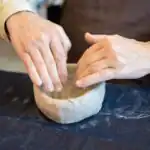
- Ite (Pots)
- Nkata (Baskets)
- Akwa (Clothes/Weaving)
- Ọkpụkpụ osisi (Wood carvings)
- Ịkpụzi igwe (Metalwork)
Uru Akaọrụ Ndị Igbo
Ndị a bụ uru ụfọdụ dị n’inwe akaọrụ:
- Ha na-eweta ego maka ndị na-arụ ha.
- Ha na-echekwa omenala na akụkọ ihe mere eme ndị Igbo.
- Ha na-enye ndị mmadụ ọrụ.
- Ha na-eme ka obodo mara mma.
- Ha na-akụziri ụmụaka nka na ịrụsi ọrụ ike.
Teaching Methods/Instructional Techniques
Discussion, Lecture, Demonstration, Question and Answer, Visual Aids
Instructional Procedures
Step 1: Introduction
Time: 5 minutes
Teaching Skill: Set Induction
Teacher’s Activity: The teacher greets the pupils, reviews the previous lesson briefly, and then introduces the new topic by asking pupils if they know any Igbo proverbs or if they have seen anyone making things with their hands.
Pupils’ Activity: Pupils respond to the teacher’s greetings and questions, sharing any proverbs they know or handicrafts they have seen.
Learning Point: Pupils are prepared for the new lesson and connect it to their prior knowledge.
Step 2: Nkọwa Ilu
Time: 5 minutes
Teaching Skill: Explanation/Definition
Teacher’s Activity: The teacher explains what ‘ilu’ (proverb) is in simple Igbo, emphasizing that they are wise sayings used to teach and advise. The teacher writes the definition on the board.
Pupils’ Activity: Pupils listen attentively, ask questions for clarity, and write down the definition in their notebooks.
Learning Point: Pupils understand the meaning of ‘ilu’.
Step 3: Ilu Dị Mfe na Nkọwa Ha
Time: 8 minutes
Teaching Skill: Illustration/Demonstration
Teacher’s Activity: The teacher presents several proverb cards (‘kaadị ilu’) one by one, reads each proverb, explains its meaning, and asks pupils to repeat after them. The teacher encourages pupils to share other simple proverbs they know.
Pupils’ Activity: Pupils observe the cards, listen to the proverbs and their explanations, repeat after the teacher, and volunteer to share proverbs they know.
Learning Point: Pupils learn new simple proverbs and their meanings.
Step 4: Akaọrụ Ndị Igbo
Time: 5 minutes
Teaching Skill: Visualisation/Identification
Teacher’s Activity: The teacher introduces the concept of ‘akaọrụ’ (handicrafts) and shows various pictures of Igbo handicrafts (e.g., pottery, basket weaving, wood carvings). The teacher names each craft in Igbo.
Pupils’ Activity: Pupils observe the pictures, identify the crafts, and repeat their Igbo names.
Learning Point: Pupils identify different types of Igbo handicrafts.
Step 5: Uru Akaọrụ
Time: 7 minutes
Teaching Skill: Discussion/Brainstorming
Teacher’s Activity: The teacher leads a discussion on the benefits of ‘akaọrụ’ to individuals and the community, prompting pupils to think about how these crafts are useful. The teacher lists points on the board.
Pupils’ Activity: Pupils contribute ideas, discuss the benefits, and write down the points listed by the teacher.
Learning Point: Pupils understand the economic, cultural, and social benefits of handicrafts.
Step 6: Ime Ahịrị Gbasara Akaọrụ
Time: 5 minutes
Teaching Skill: Application/Sentence Formation
Teacher’s Activity: The teacher instructs pupils to form simple sentences about any of the ‘akaọrụ’ they have learned, providing examples if needed. The teacher moves around to assist pupils.
Pupils’ Activity: Pupils independently form and write simple sentences about ‘akaọrụ’ in their notebooks.
Learning Point: Pupils apply their knowledge to construct simple sentences.
Step 7: Evaluation/Review
Time: 5 minutes
Teaching Skill: Questioning/Assessment
Teacher’s Activity: The teacher evaluates the learning by asking the following questions:
- Gịnị ka ‘ilu’ pụtara? (What does ‘ilu’ mean?)
- Tụọ ilu abụọ dị mfe ma kọwaa ha. (Mention two simple proverbs and explain them.)
- Depụta akaọrụ atọ ndị Igbo. (List three Igbo handicrafts.)
- Kwupụta uru abụọ dị n’inwe akaọrụ. (State two benefits of having handicrafts.)
Pupils’ Activity: Pupils answer orally and in writing.
Learning Point: Pupils demonstrate understanding of the lesson.
Step 8: Conclusion
Time: 5 minutes
Teaching Skill: Summarisation/Assignment
Teacher’s Activity: The teacher summarizes the key points of the lesson on proverbs and handicrafts. The teacher gives homework: “Jụọ ndị mụrụ gị ma ọ bụ ndị okenye ilu abụọ ọzọ ma dee ha n’akwụkwọ gị. (Ask your parents or elders two more proverbs and write them in your notebook.)”
Pupils’ Activity: Pupils listen to the summary and copy down the homework assignment.
Learning Point: Pupils reinforce their learning and extend their knowledge outside the classroom.
Lesson Keywords
- Ilu – Proverbs, wise sayings used to teach lessons.
- Akaọrụ – Handicrafts, items made by hand, often reflecting culture.
- Omenala – Culture, the customs and beliefs of a particular group.
- Amamihe – Wisdom, the quality of having experience, knowledge, and good judgment.
- Nkọwa – Explanation, the act of making something clear or understandable.
Differentiation
For pupils who find it challenging, the teacher will provide simpler proverbs and more direct examples of handicrafts, and offer individual support during sentence formation. For advanced learners, the teacher will encourage them to explain the proverbs in more detail or to create more complex sentences about the handicrafts.
Note for teachers using this lesson plan
Encourage pupils to share proverbs from their own communities to make the lesson more relatable. Bring actual examples of simple handicrafts if possible to enhance the visual learning experience. Ensure the Igbo language used is appropriate for Primary 4 level.


Community Join the conversation Open discussion +