

Class: Primary 4
Term: 3rd Term
Week: 3
Age: 9 years
Duration: 45 minutes
Subject: Asụsụ Igbo
Curriculum Theme: Nigerian Language
Previous Lesson: Mkparịtaụka, Ịzụ na Ire Ahịa and Nri Ndị Igbo.
Topic: OMENALA: Njirimara Ndị Igbo / B) AGỤMAGỤ: Akụkọ Ifo
Subject Matter: Nkọwa asụsụ na ejiji Igbo, ngwa ejiji ndị Igbo, akụkọ ifo na ezi omume, ihe mmụta dị n’akụkọ ifo, na okwu ọhụrụ.
Specific Objectives
By the end of the lesson, pupils should be able to:
Cognitive Domain:
- Kọwaa ihe bụ asụsụ Igbo.
- Kọwaa ihe bụ ejiji Igbo.
- Kpọsịta ngwa ejiji Igbo anọ (4) ma ọ dịkarịa ala.
- Kọwaa ihe bụ akụkọ ifo.
- Kwupụta ihe mmụta dị n’akụkọ ifo.
- Ghọta okwu ọhụrụ dị n’akụkọ ifo.
Affective Domain:
- Nwee mmasị n’omenala na ejiji ndị Igbo.
- Nwee ekele maka uru akụkọ ifo bara n’ịkụzi ezi omume.
Psychomotor Domain:
- Gosi ma ọ bụ depụta ụfọdụ ngwa ejiji Igbo.
- Mepụta ahịrịmfe site n’okwu ọhụrụ ha mụtara.
Social Domain:
- Soro na mkparịta ụka gbasara omenala na akụkọ ifo Igbo.
- Kerịta akụkọ ifo dị mkpirikpi ha maara.
Reference Materials
The following resources were used in planning this lesson:
- 9 Years Basic Education Curriculum for Primary Schools.
- State Unified Scheme of Work for Primary 4.
- Akwụkwọ Asụsụ Igbo maka ụlọ akwụkwọ praịmarị 4.
- https://www.igbocentre.org.uk/igbo-dress-culture-past-present-future/
- https://www.kwenu.com/igbo/culture/igbo_culture.htm
Instructional Materials
The teacher will teach this lesson with the aid of:
- Foto ma ọ bụ eserese ejiji Igbo dị iche iche.
- Ihe atụ ụfọdụ ngwa ejiji Igbo (dịka okpu, ọla olu).
- Akwụkwọ akụkọ ifo Igbo.
- Chalk/marker na bọọdụ.
Rationale for the Lesson
This lesson helps pupils understand their rich Igbo heritage through language and traditional attire. It also introduces them to the moral values taught through traditional folktales, which are important for character development and cultural preservation.
Prerequisite/Previous Knowledge
Pupils are expected to have basic knowledge of the Igbo language and some general understanding of traditional Nigerian cultures.
Lesson Content/Board Summary
OMENALA NA AGỤMAGỤ: Njirimara Ndị Igbo na Akụkọ Ifo
Nkọwa Asụsụ Igbo
Asụsụ bụ ụzọ e si ekwurịta okwu. Asụsụ Igbo bụ asụsụ ndị Igbo na-eji ekwurịta okwu. Ọ bụ otu n’ime asụsụ atọ bụ isi na Naịjirịa.
Nkọwa Ejiji Ndị Igbo
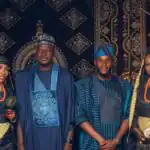
Ejiji bụ ụdị uwe na ihe ndị ọzọ ndị mmadụ na-eyi iji chọọ onwe ha mma ma ọ bụ gosi omenala ha. Ejiji Igbo na-egosipụta ọdịbendị, ọkwá, na mmemme dị iche iche nke ndị Igbo.
Ngwa Ejiji Ndị Igbo
Ngwa ejiji ndị Igbo bụ ihe ndị e ji achọ onwe onye mma ma ọ bụ yiri dịka omenala si dị. Ndị a gụnyere:
- Uwe (dịka George, isi akwa, akwa Ankara)
- Ịchafụ isi (nke ụmụ nwanyị na-eke n’isi)
- Akwa ọmụma (akwa a na-ekedo n’úkwù)
- Ọla ntị (ndị e ji achọ ntị mma)
- Okpu (dịka okpu ọdịnaala maka ụmụ nwoke)
- Ihe olu (ndị e ji achọ olu mma)
- Jigida (ọla úkwù)
- Ugbeneugo (ọla ụkwụ)
Akụkọ Ifo na Ezi Omume
Akụkọ ifo bụ akụkọ ụgha e ji akụziri ụmụaka ezi omume, omenala, na ihe gbasara ndụ. A na-akọkarị ha n’abalị ma ọ bụ mgbe ezinụlọ zukọrọ.
Ihe Mmụta Dị n’Akụkọ Ifo
Akụkọ ifo na-akụziri anyị ọtụtụ ihe mmụta bara uru. Ụfọdụ n’ime ha bụ:
- Ịkwụwa aka ọtọ na ịdị uchu.
- Ịhụnanya na ịdị n’otu.
- Ịkwanyere ndị okenye na mmadụ ibe anyị ùgwù.
- Ịrụsi ọrụ ike.
- Ịdị njikere inyere ndị ọzọ aka.
Okwu Ọhụrụ na Ahịrịmfe
N’akụkọ ifo ọ bụla, a na-enwe ike ịchọpụta okwu ọhụrụ. Ịghọta okwu ndị a na-enyere aka n’ịmụta asụsụ. A ga-eji okwu ọhụrụ ndị a mepụta ahịrịmfe.
Teaching Methods/Instructional Techniques
Discussion, Lecture, Demonstration, Question and Answer, Visual Aids
Instructional Procedures
Step 1: Introduction
Time: 5 minutes
Teaching Skill: Set Induction
Teacher’s Activity: The teacher greets the pupils in Igbo and asks them about their traditional names and what they know about Igbo culture. The teacher then tells them that today’s lesson will be about Igbo culture, specifically language, dressing, and folktales.
Pupils’ Activity: Pupils respond to greetings and share what they know about Igbo culture.
Learning Point: Pupils are introduced to the topic and show interest in learning about their culture.
Step 2: Nkọwa Asụsụ Igbo
Time: 7 minutes
Teaching Skill: Explanation/Lecture
Teacher’s Activity: The teacher explains what language is and specifically defines Asụsụ Igbo, emphasizing its importance as a major Nigerian language. The teacher encourages pupils to speak Igbo.
Pupils’ Activity: Pupils listen attentively and answer questions about the Igbo language.
Learning Point: Pupils understand the meaning and importance of the Igbo language.
Step 3: Nkọwa Ejiji Ndị Igbo
Time: 7 minutes
Teaching Skill: Explanation/Demonstration
Teacher’s Activity: The teacher defines ejiji (dressing) and explains how Igbo dressing reflects culture, status, and events. The teacher shows pictures of various Igbo traditional attires.
Pupils’ Activity: Pupils observe the pictures and listen to the explanation. They may ask questions about the attires.
Learning Point: Pupils understand the concept of Igbo traditional dressing and its significance.
Step 4: Ngwa Ejiji Ndị Igbo
Time: 7 minutes
Teaching Skill: Listing/Identification
Teacher’s Activity: The teacher lists and explains different Igbo traditional dressing accessories (ngwa ejiji) such as uwe, ịchafụ isi, akwa ọmụma, ọla ntị, okpu, ihe olu, jigida, and ugbeneugo. The teacher may show real examples or pictures.
Pupils’ Activity: Pupils listen, observe, and mention other ngwa ejiji they know.
Learning Point: Pupils can identify and name various Igbo traditional dressing accessories.
Step 5: Akụkọ Ifo na Ezi Omume
Time: 6 minutes
Teaching Skill: Storytelling/Explanation
Teacher’s Activity: The teacher defines akụkọ ifo and explains its purpose in teaching good morals. The teacher then tells a short, simple Igbo folktale that teaches a clear moral lesson.
Pupils’ Activity: Pupils listen to the story and try to identify the main characters and events.
Learning Point: Pupils understand what akụkọ ifo is and its role in teaching morals.
Step 6: Ihe Mmụta Dị n’Akụkọ Ifo na Okwu Ọhụrụ
Time: 5 minutes
Teaching Skill: Discussion/Analysis
Teacher’s Activity: After telling the story, the teacher leads a discussion on the moral lessons learned from the akụkọ ifo. The teacher also identifies new or difficult words from the story and explains their meanings, then guides pupils to form simple sentences with them.
Pupils’ Activity: Pupils state the moral lessons and participate in forming sentences with new words.
Learning Point: Pupils can extract moral lessons and understand new vocabulary from folktales.
Step 7: Evaluation/Review
Time: 5 minutes
Teaching Skill: Questioning/Assessment
Teacher’s Activity: The teacher evaluates the learning by asking the following questions:
- Kọwaa ihe bụ asụsụ Igbo.
- Depụta ngwa ejiji Igbo atọ (3).
- Kọwaa ihe bụ akụkọ ifo.
- Kwuo ihe mmụta abụọ (2) ị mụtara n’akụkọ ifo.
Pupils’ Activity: Pupils answer orally and in writing.
Learning Point: Pupils demonstrate understanding of the lesson.
Step 8: Conclusion
Time: 3 minutes
Teaching Skill: Summarization
Teacher’s Activity: The teacher summarizes the main points of the lesson, reiterating the importance of Igbo language, traditional dressing, and the moral values taught through akụkọ ifo. The teacher gives pupils homework to ask their parents or grandparents to tell them an Igbo folktale.
Pupils’ Activity: Pupils listen to the summary and copy their homework.
Learning Point: Pupils consolidate their learning and are encouraged to engage further with Igbo culture at home.
Lesson Keywords
- Asụsụ – Ụzọ e si ekwurịta okwu.
- Ejiji – Uwe na ihe e ji achọ ahụ mma.
- Ngwa ejiji – Ihe ndị e ji achọ ejiji mma (dịka okpu, ọla).
- Omenala – Ihe ndị obodo ma ọ bụ agbụrụ na-eme kemgbe oge ochie.
- Akụkọ Ifo – Akụkọ ụgha e ji akụzi ezi omume.
Differentiation
For pupils who are fast learners, the teacher can encourage them to tell their own short Igbo folktales or describe more complex Igbo attires. For those who need more support, the teacher will provide clearer examples and simpler sentences, and focus on identifying key terms and simple moral lessons.
Note for teachers using this lesson plan
Teachers should ensure they have adequate visual aids for Igbo dressing and are familiar with simple Igbo folktales to engage the pupils effectively. Encourage pupils to use Igbo as much as possible during the lesson to improve their fluency.

Community Join the conversation Open discussion +