

Class: Primary 6Term: 1st Term
Week: 1
Age: 11 yearsDuration: 45 minutes
Subject: Asusu Igbo
Curriculum Theme: Nigerian Language
Previous Lesson: .
Topic: Ọnụọgụgụ (Numbers) and Ejije Nkenke (Short Drama)
Subject Matter: Ọnụọgụgụ 1-150, Ọrụ Onye Dibịa Bekee (Role of a Doctor), Ekike Onye Dibịa Bekee (Doctor’s Attire), Ejije Onye Dibịa Na-agwọ Onye Ọrịa (Drama: Doctor treating a Patient).
Specific Objectives
By the end of the lesson, pupils should be able to:
Cognitive Domain:
- Identify Igbo numbers from 1 to 150.
- Write Igbo numbers from 1 to 150.
- Explain the role of a doctor in society.
- Describe the typical attire of a doctor.
Affective Domain:
- Appreciate the importance of doctors in maintaining health.
- Participate actively in reading and writing Igbo numbers.
Psychomotor Domain:
- Read Igbo numbers 1-150 correctly.
- Perform a short drama depicting a doctor treating a patient.
Social Domain:
- Collaborate with peers during group activities.
- Communicate effectively in Igbo during the drama presentation.
Reference Materials
The following resources were used in planning this lesson:
- 9 Years Basic Education Curriculum for Nigerian Languages.
- State Unified Scheme of Work for Primary 5 Asusu Igbo.
- “Mkpụrụ Akwụkwọ Igbo” Primary 5 Textbook.
- https://www.igboclass.com
- https://www.bbc.com/igbo
Instructional Materials
The teacher will teach this lesson with the aid of:
- Ụgbọ ojii (Blackboard)
- Nzu (Chalk)
- Akwụkwọ ọgụgụ (Textbooks)
- Kaadị ọnụọgụgụ (Number cards)
- Uwe/akụkụ ejiji maka dibịa bekee (Doctor’s attire/props for drama)
Rationale for the Lesson
This lesson helps pupils learn how to count and write numbers in Igbo, which is important for daily communication and future learning. It also introduces them to the role of a doctor through drama, helping them understand health and community service in a fun and interactive way.
Prerequisite/Previous Knowledge
Pupils are expected to have basic knowledge of Igbo words and simple counting in Igbo.
Lesson Content/Board Summary
Ọnụọgụgụ (Numbers)
Ịgụ na Ide Ọnụọgụgụ Igbo 1-150 (Reading and Writing Igbo Numbers 1-150)
Ọnụọgụgụ Igbo bụ ụzọ e si agụ ma dee nọmba n’asụsụ Igbo. Ịmụ ọnụọgụgụ na-enyere anyị aka ịgụ ihe dị iche iche na ịkọwa ọnụọgụgụ.
Ụfọdụ ọnụọgụgụ Igbo site na 1 ruo 150:
- 1 – Otu
- 2 – Abụọ
- 3 – Atọ
- 4 – Anọ
- 5 – Ise
- 6 – Isii
- 7 – Asaa
- 8 – Asatọ
- 9 – Iteghete
- 10 – Iri
- 20 – Iri abụọ
- 30 – Iri atọ
- 40 – Iri anọ
- 50 – Iri ise
- 60 – Iri isii
- 70 – Iri asaa
- 80 – Iri asatọ
- 90 – Iri iteghete
- 100 – Otu narị
- 110 – Otu narị na iri
- 120 – Otu narị na iri abụọ
- 130 – Otu narị na iri atọ
- 140 – Otu narị na iri anọ
- 150 – Otu narị na iri ise
NOTE: Iji dee nọmba karịrị iri, a na-ejikọta ha site na iji “na” (and). Dịka ọmụmaatụ, 11 bụ iri na otu.
Ejije Nkenke: Onye Dibịa Bekee (Short Drama: The Doctor)
Ọrụ Onye Dibịa Bekee (The Work of a Doctor)
Onye dibịa bekee bụ onye na-agwọ ndị ọrịa ma na-elekọta ahụike ha. Ha na-enyere aka na-eme ka ndị mmadụ nwee ahụike dị mma.
Ụfọdụ n’ime ọrụ onye dibịa bekee bụ:
- Ịlele ndị ọrịa.
- Ịchọpụta ihe na-enye onye ọrịa nsogbu.
- Ịdụ ọdụ gbasara ahụike.
- Ịnye ọgwụ.
- Ịwa ahụ mgbe ụfọdụ.
Ekike Onye Dibịa Bekee (Doctor’s Attire)
Onye dibịa bekee na-eyi uwe pụrụ iche mgbe ọ na-arụ ọrụ.
Ihe ndị na-eme ekike onye dibịa bekee gụnyere:
- Uwe ọcha (Lab coat).
- Ngwaọrụ dịka stethoscope (ihe e ji anụ obi).
- Onye dibịa na-eyikwa gloves na mask mgbe ụfọdụ.
Ịgwọ Onye Ọrịa (Treating a Patient)
Mgbe onye dibịa bekee na-agwọ onye ọrịa, ọ na-elele ha, jụọ ha ajụjụ banyere ihe na-enye ha nsogbu, ma nye ha ọgwụ ma ọ bụ ndụmọdụ ahụike.
Teaching Methods/Instructional Techniques
Discussion, Lecture, Demonstration, Question and Answer, Visual Aids
Instructional Procedures
Step 1: Introduction
Time: 5 minutes
Teaching Skill: Set Induction
Teacher’s Activity: The teacher greets the pupils, reviews the previous lesson (if any), and introduces the new topic: Ọnụọgụgụ (Numbers) and Ejije Nkenke (Short Drama about a Doctor). The teacher asks pupils if they know how to count in Igbo.
Pupils’ Activity: Pupils respond to greetings and questions, showing readiness for the lesson.
Learning Point: Pupils are introduced to the lesson topic and recall prior knowledge of counting.
Step 2: Presentation of Ọnụọgụgụ
Time: 10 minutes
Teaching Skill: Explanation/Demonstration
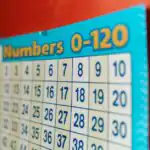
Teacher’s Activity: The teacher writes Igbo numbers from 1 to 150 on the board, explaining the formation of compound numbers. The teacher leads the pupils in reading the numbers aloud, ensuring correct pronunciation. The teacher uses number cards to demonstrate.
Pupils’ Activity: Pupils observe the numbers on the board, listen to the teacher’s explanation, and repeat the numbers after the teacher.
Learning Point: Pupils learn to identify and pronounce Igbo numbers 1-150.
Step 3: Pupils Practice Ọnụọgụgụ
Time: 5 minutes
Teaching Skill: Guided Practice
Teacher’s Activity: The teacher calls on individual pupils to read specific numbers and asks them to write some numbers in their notebooks. The teacher provides assistance where needed.
Pupils’ Activity: Pupils take turns reading numbers and practice writing them in their notebooks.
Learning Point: Pupils practice reading and writing Igbo numbers, reinforcing their understanding.
Step 4: Introduction to Ejije Nkenke
Time: 5 minutes
Teaching Skill: Introduction/Discussion
Teacher’s Activity: The teacher introduces the concept of “Ejije Nkenke” (short drama) and asks pupils if they have ever seen a doctor. The teacher explains that they will be acting out a scene involving a doctor.
Pupils’ Activity: Pupils listen, share their experiences with doctors, and show interest in the drama activity.
Learning Point: Pupils understand the concept of a short drama and its relevance to the topic of a doctor.
Step 5: Discussion on Dibịa Bekee (Doctor)
Time: 5 minutes
Teaching Skill: Explanation/Questioning
Teacher’s Activity: The teacher explains the role of a doctor (ọrụ onye dibịa bekee), discusses their attire (ekike onye dibịa bekee), and how they treat patients (ịgwọ onye ọrịa). The teacher uses instructional materials like a lab coat or stethoscope to illustrate.
Pupils’ Activity: Pupils listen attentively, ask questions, and identify the items associated with a doctor.
Learning Point: Pupils gain knowledge about the duties and appearance of a doctor.
Step 6: Drama Preparation and Performance
Time: 5 minutes
Teaching Skill: Demonstration/Role-playing
Teacher’s Activity: The teacher guides pupils to prepare a short drama where one pupil acts as a doctor and another as a patient. The teacher provides simple dialogue prompts in Igbo for the pupils to use.
Pupils’ Activity: Pupils volunteer or are selected to act out the drama, using the provided props and dialogue to simulate a doctor treating a patient.
Learning Point: Pupils apply their understanding of a doctor’s role and practice Igbo communication through drama.
Step 7: Evaluation/Review
Time: 5 minutes
Teaching Skill: Questioning/Assessment
Teacher’s Activity: The teacher evaluates the learning by asking the following questions:
- Gụọ ọnụọgụgụ Igbo site na otu ruo iri (1-10).
- Kedu ihe iri abụọ na ise bụ na Igbo?
- Kọwaa ọrụ abụọ onye dibịa bekee na-arụ.
- Gịnị ka onye dibịa bekee na-eyikarị?
Pupils’ Activity: Pupils answer orally and in writing.
Learning Point: Pupils demonstrate understanding of the lesson.
Step 8: Conclusion
Time: 5 minutes
Teaching Skill: Summarization
Teacher’s Activity: The teacher summarizes the lesson by reiterating the importance of knowing Igbo numbers and understanding the role of a doctor. The teacher assigns homework, asking pupils to write Igbo numbers 50-100 and draw a doctor.
Pupils’ Activity: Pupils listen to the summary and copy the homework.
Learning Point: Pupils consolidate their learning and receive assignments for further practice.
Lesson Keywords
- Ọnụọgụgụ – Numbers/Counting
- Dibịa Bekee – Doctor
- Ejije – Drama/Play
- Ọrịa – Sickness/Illness
- Ekike – Attire/Outfit
- Ịgụ – To read/count
- Ide – To write
Differentiation
For pupils who grasp concepts quickly, the teacher can challenge them to count beyond 150 or create more complex drama dialogues. For pupils who need more support, the teacher will provide extra guidance, simplified number cards, and simpler drama roles.
Note for teachers using this lesson plan
Teachers should ensure active participation from all pupils, especially during the reading of numbers and the drama activity. Encourage pupils to use Igbo as much as possible throughout the lesson. Visual aids are important for both numbers and the doctor’s role.


Community Join the conversation Open discussion +