

Class: Primary 4
Term: 2nd Term
Week: 4
Age: 9 years
Duration: 45 minutes
Subject: Asụsụ Igbo
Curriculum Theme: Nigerian Language
Previous Lesson: Ọgụgụ na Aghọtaazaa, Ntụgharị Uche and Agwụgwa Ajụjụ.
Topic: A) OMENALA: Akaọrụ ndị Igbo B) AGỤMAGỤ: Gwa m gwa m gwa m
Subject Matter: Idepụta ụdị akaọrụ ndị Igbo, nkọwa akaọrụ ndị a, ajụjụ gbasara akaọrụ ndị ọzọ, imebe ahịrị-mfe site n’akaọrụ, idepụta agwụgwa dị iche iche, inye ọsịsa agwụgwa, ikwupụta etu obi si dị mgbe a na-eme agwụgwa, ide ihe odide.
Specific Objectives
By the end of the lesson, pupils should be able to:
Cognitive Domain:
- Identify different types of Igbo traditional crafts (akaọrụ).
- Explain the meaning of common akaọrụ.
- List various Igbo riddles (agwụgwa).
- Provide correct answers to Igbo riddles.
- Answer questions related to akaọrụ and agwụgwa.
Affective Domain:
- Express their feelings about playing riddles (agwụgwa).
- Appreciate the cultural importance of akaọrụ and agwụgwa.
Psychomotor Domain:
- Construct simple sentences using words related to akaọrụ.
- Write down notes from the board.
- Participate in a riddle-solving activity.
Social Domain:
- Share their knowledge of akaọrụ and agwụgwa with classmates.
- Collaborate in answering questions and solving riddles.
Reference Materials
The following resources were used in planning this lesson:
- 9 Years Basic Education Curriculum for Primary Schools.
- State Unified Scheme of Work for Primary 4 Asụsụ Igbo.
- Mkpụrụ Akwụkwọ Igbo maka Praịmarị 4.
- https://nigerianlanguages.com/igbo/
- https://www.igboculture.org/
Instructional Materials
The teacher will teach this lesson with the aid of:
- Pictures of various akaọrụ (e.g., farming, pottery, tailoring).
- Examples of craft tools (e.g., small hoe, weaving thread).
- Word cards with akaọrụ names and agwụgwa.
- Chalk/marker and chalkboard/whiteboard.
Rationale for the Lesson
This lesson helps pupils learn about the traditional crafts and occupations of the Igbo people, connecting them to their cultural heritage. It also introduces them to Igbo riddles, which are an important part of oral tradition, helping to develop their critical thinking and language skills in a fun way.
Prerequisite/Previous Knowledge
Pupils are expected to have basic knowledge of the Igbo language and common objects around them. They may also be familiar with some simple riddles or traditional activities.
Lesson Content/Board Summary
Akaọrụ Ndị Igbo na Agwụgwa
Akaọrụ Ndị Igbo (Igbo Traditional Crafts/Occupations)
Akaọrụ bụ ọrụ aka ndị mmadụ na-arụ iji nweta ego ma ọ bụ ihe oriri. Ọ bụ ọrụ e ji aka arụ.
Ụdị akaọrụ ndị Igbo a ma ama bụ:
- Ịkwa ákwà (Tailoring/Weaving)
- Ịkpụzi ígwè (Blacksmithing)
- Ịkụ ihe (Farming)
- Ịkpụ osisi (Carpentry/Wood carving)
- Ịkpa nkata (Basket weaving)
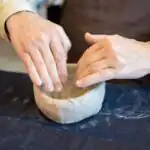
- Ịkpụ ite (Pottery)
- Ịgba ọsụụ (Hunting)
- Ịkụ azụ (Fishing)
Ime ahịrị-mfe site n’akaọrụ:
- Nna m bụ onye ọrụ ugbo.
- Mama m bụ onye na-akwa ákwà.
- Onye na-akpụzi ígwè na-eme ngwá ọrụ.
Agwụgwa (Riddles)
Agwụgwa bụ okwu ma ọ bụ ajụjụ e ji eme egwuregwu, na-atụkwa ụmụaka uche.
Ihe atụ agwụgwa na ọsịsa ha:
- Agwụgwa: Gwa m gwa m gwa m! Onye na-aga, ọ naghị agafe n’ụlọ gị?
- Ọsịsa: Ụzọ (The road)
- Agwụgwa: Gwa m gwa m gwa m! Onye ji otu ụkwụ na-eguzo n’etiti ọhịa?
- Ọsịsa: Ede (Cocoyam)
- Agwụgwa: Gwa m gwa m gwa m! Ụlọ m enweghị ọnụ ụzọ.
- Ọsịsa: Akwa (Egg)
- Agwụgwa: Gwa m gwa m gwa m! Mbe na-ebu ụlọ ya aga.
- Ọsịsa: Ejule (Snail)
Uru agwụgwa bara (Benefits of riddles):
- Ọ na-eme ka ụmụaka na-eche echiche.
- Ọ na-eme ka ha mụta okwu ọhụrụ.
- Ọ na-enye obi ụtọ.
- Ọ na-eme ka ha mata omenala ha.
Teaching Methods/Instructional Techniques
Discussion, Lecture, Demonstration, Question and Answer, Visual Aids
Instructional Procedures
Step 1: Introduction
Time: 5 minutes
Teaching Skill: Set Induction
Teacher’s Activity: The teacher greets the pupils and asks them about their parents’ occupations or any craft they know. The teacher then introduces the topic: Akaọrụ ndị Igbo na Agwụgwa.
Pupils’ Activity: Pupils respond to the greetings and share what they know about occupations. They listen attentively to the topic introduction.
Learning Point: Pupils are prepared for the lesson and connect it to their prior knowledge.
Step 2: Presentation of Akaọrụ Ndị Igbo
Time: 10 minutes
Teaching Skill: Explanation/Demonstration
Teacher’s Activity: The teacher explains what “akaọrụ” means, showing pictures of various traditional Igbo crafts. The teacher lists and briefly describes different types of akaọrụ, writing them on the board.
Pupils’ Activity: Pupils observe the pictures, listen to the explanations, and try to identify the crafts. They copy the notes from the board.
Learning Point: Pupils understand the meaning of akaọrụ and identify various types of Igbo traditional crafts.
Step 3: Discussion and Sentence Construction on Akaọrụ
Time: 7 minutes
Teaching Skill: Questioning/Guided Practice
Teacher’s Activity: The teacher asks pupils about their family members’ akaọrụ and guides them to form simple sentences using the akaọrụ names. The teacher writes example sentences on the board.
Pupils’ Activity: Pupils mention any akaọrụ they know and participate in constructing sentences, writing them down.
Learning Point: Pupils can construct simple sentences using words related to akaọrụ.
Step 4: Introduction of Agwụgwa
Time: 8 minutes
Teaching Skill: Explanation/Engagement
Teacher’s Activity: The teacher introduces “agwụgwa” as a traditional Igbo game that helps people think. The teacher explains its meaning and gives one or two examples of riddles with their answers.
Pupils’ Activity: Pupils listen to the explanation and try to guess the answers to the riddles. They show enthusiasm for the game.
Learning Point: Pupils understand what agwụgwa are and their purpose.
Step 5: Practice with Agwụgwa
Time: 8 minutes
Teaching Skill: Activity/Facilitation
Teacher’s Activity: The teacher presents more agwụgwa using word cards or by reciting them, encouraging pupils to guess the answers. The teacher provides the correct answers and explains them.
Pupils’ Activity: Pupils actively participate in solving the riddles, raising their hands to give answers. They learn new riddles and their solutions.
Learning Point: Pupils can provide correct answers to various Igbo riddles.
Step 6: Discussion on the Importance of Agwụgwa
Time: 2 minutes
Teaching Skill: Discussion/Value Clarification
Teacher’s Activity: The teacher leads a brief discussion on why agwụgwa are important in Igbo culture and how they make pupils feel.
Pupils’ Activity: Pupils express how they feel about playing riddles and share their thoughts on the benefits of agwụgwa.
Learning Point: Pupils appreciate the cultural importance of agwụgwa and express their feelings about them.
Step 7: Evaluation/Review
Time: 5 minutes
Teaching Skill: Questioning/Assessment
Teacher’s Activity: The teacher evaluates the learning by asking the following questions:
- Gịnị bụ akaọrụ? (What is akaọrụ?)
- Depụta ụdị akaọrụ abụọ ị maara. (List two types of akaọrụ you know.)
- Gịnị bụ agwụgwa? (What is agwụgwa?)
- Gwa m otu agwụgwa na ọsịsa ya. (Tell me one riddle and its answer.)
Pupils’ Activity: Pupils answer orally and in writing.
Learning Point: Pupils demonstrate understanding of the lesson.
Step 8: Conclusion
Time: 1 minute
Teaching Skill: Summarization
Teacher’s Activity: The teacher summarizes the main points of the lesson, emphasizing the importance of akaọrụ and agwụgwa to Igbo culture. The teacher gives pupils homework to ask their parents about other akaọrụ or agwụgwa.
Pupils’ Activity: Pupils listen to the summary and copy the homework.
Learning Point: Pupils consolidate their learning and are encouraged to continue exploring the topic.
Lesson Keywords
- Akaọrụ – Ọrụ aka ndị mmadụ na-arụ iji nweta ego ma ọ bụ ihe oriri. (Traditional crafts/occupations)
- Agwụgwa – Ajụjụ ma ọ bụ okwu e ji eme egwuregwu, na-atụkwa ụmụaka uche. (Riddles)
- Omenala – Ihe ndị mmadụ na-eme, ha na-ewere ya dị ka nke ha. (Culture/Tradition)
- Ọrụ ugbo – Ọrụ ịkụ ihe n’ubi. (Farming)
- Ịkwa ákwà – Ọrụ ịkwa uwe ma ọ bụ ákwà. (Tailoring/Weaving)
Differentiation
For pupils who are fast learners, the teacher can encourage them to create their own simple sentences with other akaọrụ or to invent new riddles. For pupils who need more support, the teacher can provide more direct examples, use simplified language, or pair them with a peer for assistance during riddle-solving activities.
Note for teachers using this lesson plan
Encourage active participation from all pupils, especially during the riddle-solving session, to make the lesson engaging and fun. Use real-life examples or local crafts if available to make the lesson more relatable. Ensure that the pronunciation of Igbo words is clear and correct.


Community Join the conversation Open discussion +