

Class: Primary 4
Term: 3rd Term
Week: 8
Age: 9 years
Duration: 45 minutes
Subject: Asụsụ Igbo
Curriculum Theme: Nigerian Language
Previous Lesson: Akụkọ Ifo, Aghụghọ and Ngwa Ejiji Ndị Chiri Echichi.
Topic: A) ASỤSỤ: Mkparịtaụka B) Omenala: Njirimara Ndị Igbo
Subject Matter: Ụzọ igbochi mmegbu ọzụ ahịa dịka iji ezigbo ntụ, ire ngwa ahịa dị mma, iwezugha ịtụ asị na aghụghọ, mkparịtaụka banyere imezi ahịa, nkọwa omenala, omenala Igbo dịka ịgba mgba, ịgụ nwa aha, ịzụ ahịa nwa, iri ji ọhụrụ, uru omenala bara.
Specific Objectives
By the end of the lesson, pupils should be able to:
Cognitive Domain:
- Define ‘omenala’ (culture).
- List at least three ways to prevent market abuse.
- Mention at least four examples of Igbo cultural practices.
- State at least two benefits of culture.
Affective Domain:
- Participate actively in discussions about market practices.
- Show appreciation for Igbo cultural heritage.
Psychomotor Domain:
- Write down the key points discussed about market abuse and Igbo culture.
- Illustrate or describe a simple Igbo cultural practice.
Social Domain:
- Engage respectfully with peers and the teacher during discussions.
Reference Materials
The following resources were used in planning this lesson:
- 9 Years Basic Education Curriculum for Primary Schools.
- State Unified Scheme of Work for Primary 4 Asụsụ Igbo.
- Asụsụ Igbo maka ụlọ akwụkwọ praịmarị 4.
Instructional Materials
The teacher will teach this lesson with the aid of:
- Pictures of markets (foto ahịa).
- Cards with “ezigbo ntụ” (good flour).
- Pictures of cultural events (foto mmemme omenala).
- Chalk/marker and whiteboard/blackboard.
Rationale for the Lesson
This lesson helps pupils understand the importance of fair and honest practices in trade, which is important for a healthy society. It also enables pupils to learn about and appreciate their rich Igbo cultural heritage and practices.
Prerequisite/Previous Knowledge
Pupils have a basic understanding of market activities and simple Igbo customs from their homes and previous lessons.
Lesson Content/Board Summary
A) ASỤSỤ: Mkparịtaụka (Discussion)
Ụzọ Igbochi Mmegbu Ọzụ Ahịa (Ways to Prevent Market Abuse)
Mmegbu ọzụ ahịa bụ omume ọjọọ ndị na-azụ ahịa ma ọ bụ ndị na-ere ahịa na-eme iji ghọgbuo ibe ha.
Ụzọ a ga-esi gbochie mmegbu ọzụ ahịa bụ:
- Iji ezigbo ntụ ma ọ bụ ngwa ahịa ndị ọzọ dị mma.
- Ire ngwa ahịa dị mma na nke na-adịghị emerụ ahụ.
- Iwezugha ịtụ asị na aghụghọ mgbe a na-ere ma ọ bụ na-azụ ahịa.
- Ịkwụ ụgwọ ziri ezi maka ngwa ahịa.
- Ịkọrọ ndị ọchịchị ma ọ bụ ndị isi ahịa mgbe e nwere mmegbu.
Mkparịtaụka Banyere Imezi Ahịa (Discussion on Improving Markets)
Imezi ahịa pụtara ịhụ na ahịa na-aga nke ọma, na-eziokwu, na-enweghị aghụghọ, nakwa na ndị na-azụ na ndị na-ere ahịa na-enwe obi ụtọ.
B) Omenala: Njirimara Ndị Igbo (Culture: Characteristics of Igbo People)
Nkọwa Omenala (Definition of Culture)
Omenala bụ ụzọ ndụ, omume, nkwenkwe, asụsụ, na ihe ndị ọzọ bụ njirimara otu agbụrụ ma ọ bụ obodo. Ọ bụ ihe a na-eketa n’aka nne na nna anyị ma na-ebufe ya n’ọgbọ ọzọ.
Omenala Igbo Dịka (Examples of Igbo Culture)
Ụfọdụ omenala ndị Igbo gụnyere:
- Ịgba mgba (Wrestling): Egwuregwu ọdịnala ebe ụmụ nwoke na-egosi ike ha.
- Ịgụ nwa aha (Naming Ceremony): Mmemme a na-eme iji nye nwa amụrụ ọhụrụ aha.
- Ịzụ ahịa nwa (Bride Price/Traditional Marriage): Usoro ịlụ nwunye nke gụnyere ịkwụ ụgwọ nwaanyị.
- Iri ji ọhụrụ (New Yam Festival): Mmemme e ji ekele Chukwu maka owuwe ihe ubi ji ọhụrụ.
- Ịkpa akwa (Weaving): Ịkpa ákwà ọdịnala.
- Ịkpụzi ite (Pottery): Ịkpụ ite site na ụrọ.
Uru Omenala Bara (Importance/Benefits of Culture)
Omenala bara uru n’ọtụtụ ụzọ:
- Ọ na-enyere anyị aka ịmata onye anyị bụ na ebe anyị si.
- Ọ na-eme ka anyị nwee ịdị n’otu na mmekọrịta dị mma.
- Ọ na-echekwa akụkọ ihe mere eme na ụzọ ndụ ndị nna nna anyị.
- Ọ na-akụziri anyị omume ọma na ụkpụrụ ndụ.
Teaching Methods/Instructional Techniques
Discussion, Lecture, Demonstration, Question and Answer, Visual Aids
Instructional Procedures
Step 1: Introduction
Time: 5 minutes
Teaching Skill: Set Induction
Teacher’s Activity: The teacher greets the pupils and asks them to mention some things they buy from the market. The teacher then asks if they always get good quality items or if they have ever felt cheated. This leads into the topic of market abuse. The teacher also asks pupils to mention any cultural practice they know.
Pupils’ Activity: Pupils respond to the teacher’s questions and share their experiences.
Learning Point: Pupils are introduced to the lesson topics and connect them to their experiences.
Step 2: Presentation of Market Abuse Prevention
Time: 7 minutes
Teaching Skill: Explanation/Illustration
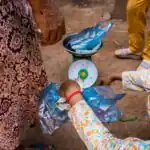
Teacher’s Activity: The teacher explains what market abuse is and then uses the “ezigbo ntụ” card and other market pictures to illustrate ways to prevent market abuse. The teacher lists and explains points like using good quality goods, selling good quality items, and avoiding lies.
Pupils’ Activity: Pupils listen attentively, observe the instructional materials, and ask questions for clarification.
Learning Point: Pupils understand the concept of market abuse and ways to prevent it.
Step 3: Discussion on Market Improvement
Time: 5 minutes
Teaching Skill: Facilitation/Discussion
Teacher’s Activity: The teacher facilitates a brief discussion with pupils on how markets can be improved to ensure fairness and honesty for both buyers and sellers. The teacher encourages pupils to share their thoughts.
Pupils’ Activity: Pupils express their opinions and participate in the discussion.
Learning Point: Pupils develop critical thinking about ethical market practices.
Step 4: Presentation of Omenala (Culture) Definition
Time: 5 minutes
Teaching Skill: Explanation
Teacher’s Activity: The teacher defines ‘omenala’ (culture) in simple Igbo, explaining that it is the way of life, beliefs, and practices passed down through generations.
Pupils’ Activity: Pupils listen and write down the definition of omenala.
Learning Point: Pupils learn the meaning of ‘omenala’.
Step 5: Presentation of Igbo Cultural Examples
Time: 7 minutes
Teaching Skill: Illustration/Listing
Teacher’s Activity: The teacher uses pictures of cultural events (foto mmemme omenala) to show examples of Igbo culture such as wrestling, naming ceremony, bride price, and the new yam festival. The teacher explains each example briefly.
Pupils’ Activity: Pupils observe the pictures, listen to the explanations, and mention other Igbo cultural practices they know.
Learning Point: Pupils identify and understand various Igbo cultural practices.
Step 6: Presentation of Importance of Omenala
Time: 6 minutes
Teaching Skill: Explanation
Teacher’s Activity: The teacher explains the importance of culture, highlighting how it helps people know their identity, promotes unity, preserves history, and teaches good morals.
Pupils’ Activity: Pupils listen, take notes, and contribute to the discussion on why culture is important.
Learning Point: Pupils understand the value and benefits of preserving culture.
Step 7: Evaluation/Review
Time: 5 minutes
Teaching Skill: Questioning/Assessment
Teacher’s Activity: The teacher evaluates the learning by asking the following questions:
- Kọwaa ihe bụ “omenala”. (Define what “culture” is.)
- Depụta ụzọ atọ e si egbochi mmegbu ọzụ ahịa. (List three ways to prevent market abuse.)
- Kpọọ omenala Igbo anọ ị maara. (Mention four Igbo cultural practices you know.)
- Gịnị bụ uru omenala bara? (What are the benefits of culture?)
Pupils’ Activity: Pupils answer orally and in writing.
Learning Point: Pupils demonstrate understanding of the lesson.
Step 8: Conclusion
Time: 5 minutes
Teaching Skill: Summarization/Consolidation
Teacher’s Activity: The teacher summarizes the key points of the lesson, emphasizing the importance of honesty in trade and the value of Igbo culture. The teacher assigns homework for pupils to discuss with their parents about an Igbo cultural practice and write a short paragraph about it.
Pupils’ Activity: Pupils listen to the summary, ask any remaining questions, and copy their homework.
Learning Point: Pupils consolidate their learning and prepare for further exploration.
Lesson Keywords
- Mkparịtaụka – Discussion/Conversation
- Mmegbu Ọzụ Ahịa – Market abuse/Exploitation in trade
- Omenala – Culture/Tradition
- Njirimara – Characteristics/Features
- Ịgba Mgba – Wrestling
- Ịgụ Nwa Aha – Naming ceremony
- Ịzụ Ahịa Nwa – Bride price/Traditional marriage negotiations
- Iri Ji Ọhụrụ – New Yam Festival
Differentiation
For pupils who grasp concepts quickly, the teacher can encourage them to research more Igbo cultural practices and present them to the class. For pupils who need more support, the teacher can provide simplified notes or pair them with stronger pupils for peer learning and provide additional examples.
Note for teachers using this lesson plan
Ensure that the Igbo language used is appropriate for Primary 4 pupils. Encourage active participation and use real-life examples to make the lesson relatable. Emphasize the practical application of preventing market abuse and the pride in cultural heritage.


Community Join the conversation Open discussion +