

Class: Primary 4
Term: 2nd Term
Week: 6
Age: 9 years
Duration: 45 minutes
Subject: Asụsụ Igbo
Curriculum Theme: Nigerian Language
Previous Lesson: Aghọtaazaa, Ọgụgụ Ederede and Ilu Igbo Dị Mfe.
Topic: A) ASỤSỤ: Edemede Nduzi B) OMENALA: Akaọrụ
Subject Matter: Nkọwa edemede nduzi, akụkụ edemede dịka isiokwu, ahụ edemede, nkebi ole na ole, usoro mgbaso ide, nkọwa akaọrụ, akaọrụ ndị Igbo dị iche iche e jiri mara ha, akaọrụ kpọmkwem n’ụfọdụ obodo, imebe ahịrịmfe gbasara akaọrụ
Specific Objectives
By the end of the lesson, pupils should be able to:
Cognitive Domain:
- Define “Edemede Nduzi” (Guided Composition).
- Identify the main parts of a composition.
- Explain the steps involved in writing a guided composition.
- Define “Akaọrụ” (Crafts/Handicrafts).
- List different types of Igbo crafts.
- Mention specific crafts associated with certain Igbo communities.
Affective Domain:
- Appreciate the cultural importance of Igbo crafts.
- Show interest in developing their composition writing skills.
Psychomotor Domain:
- Write a short, simple guided composition.
- Formulate simple sentences about various crafts.
Social Domain:
- Discuss crafts that are common in their own local communities.
Reference Materials
The following resources were used in planning this lesson:
- 9 Years Basic Education Curriculum for Primary 4 Asụsụ Igbo.
- State Unified Scheme of Work for Primary 4 Asụsụ Igbo.
- Nwokeji, C. (2018). Ụzọ Ọhụrụ n’Asụsụ Igbo maka Praịmarị 4. Learn Africa Plc.
- https://www.legit.ng/nigeria/1512404-5-beautiful-traditional-igbo-crafts-their-significance/
- https://www.researchgate.net/publication/351838706_The_Aesthetics_of_Traditional_Igbo_Crafts
Instructional Materials
The teacher will teach this lesson with the aid of:
- Akwụkwọ edemede (Composition notebooks).
- Ihe atụ nkebi edemede (Examples of short compositions).
- Foto akaọrụ obodo (Pictures of local crafts).
- Chalk/marker and whiteboard/blackboard.
Rationale for the Lesson
This lesson helps pupils understand how to write well-structured compositions, which is important for communicating clearly. It also introduces them to the rich cultural heritage of the Igbo people through various traditional crafts, fostering cultural appreciation and knowledge of their environment.
Prerequisite/Previous Knowledge
Pupils are familiar with writing simple sentences and have basic knowledge of some cultural practices in their communities.
Lesson Content/Board Summary
Edemede Nduzi na Akaọrụ
Edemede Nduzi (Guided Composition)
Edemede nduzi bụ ụdị edemede ebe a na-enye nwa akwụkwọ ụfọdụ isi ihe ma ọ bụ ahịrịokwu ga-eduzi ya n’ide ihe. Ọ na-enyere aka ịhazi echiche na ide ihe n’ụzọ ziri ezi.
Akụkụ Edemede Dị Iche Iche (Parts of a Composition):
- Isiokwu: Nke a bụ aha edemede ahụ. Ọ na-akọwa ihe edemede ahụ gbasara.
- Ahụ Edemede: Nke a bụ akụkụ kachasị ukwuu nke edemede ahụ. Ọ na-agụnye nkebiokwu dị iche iche na-akọwa isiokwu ahụ n’uju.
- Mmechi: Nke a bụ akụkụ ikpeazụ nke edemede ahụ. Ọ na-achịkọta echiche niile ma ọ bụ nye nkwubi okwu.
Usoro Mgbaso Ide Edemede Nduzi (Steps for Writing a Guided Composition):
- Gụọ ma ghọta isiokwu na nduzi e nyere.
- Chịkọta echiche gbasara isiokwu ahụ.
- Hazi echiche ndị ahụ n’usoro kwesịrị ekwesị (isiokwu, ahụ edemede, mmechi).
- Dee edemede ahụ, jiri asụsụ dị mfe na ahịrịokwu ziri ezi.
- Gụgharịa edemede ahụ, dozie njehie ọ bụla.
Akaọrụ (Crafts/Handicrafts)
Akaọrụ bụ ihe e ji aka rụọ ma ọ bụ mee site n’iji ngwaọrụ dị mfe. Ọ na-agụnye nka na omenala obodo. Ndị Igbo na-eji akaọrụ eme ihe dị iche iche maka ndụ ha kwa ụbọchị na maka emume omenala.
Akaọrụ Ndị Igbo Dị Iche Iche E Jiri Mara Ha (Various Igbo Crafts):
- Ihe ọkpụkpụ: Ime ihe oyiyi ma ọ bụ ihe ọkpụkpụ site na osisi, ụrọ, ma ọ bụ ígwè.
- Ime ite: Ime ite ọmụmụ, ite mmiri, na ite ofe site na ụrọ.
- Ime nkata: Ime nkata dị iche iche site na achara ma ọ bụ akwụkwọ nkwụ.
- Ihe nka ákwà: Ime akwa na nka ákwà ndị ọzọ.
- Ime akpụkpọ ụkwụ: Ime akpụkpọ ụkwụ omenala.
- Ime ihe e ji achọ mma: Ime olu, mgbaaka, na ihe ndị ọzọ e ji achọ mma.
- Ihe ọkpụ: Ime ihe dị iche iche site na ígwè, dị ka mma na ngwa ọrụ ugbo.
Akaọrụ Kpọmkwem n’Ụfọdụ Obodo (Specific Crafts in Some Communities):
- Abakaliki: A maara ha maka ime ite na nka osisi.
- Awka: A maara ha maka ihe ọkpụkpụ na ime ihe site na ígwè.
- Nsukka: A maara ha maka ime nkata na ihe nka ákwà.
Teaching Methods/Instructional Techniques
Discussion, Lecture, Demonstration, Question and Answer, Visual Aids
Instructional Procedures
Step 1: Introduction
Time: 5 minutes
Teaching Skill: Set Induction
Teacher’s Activity: The teacher greets the pupils and asks them to mention some things they use at home that are made by hand, such as baskets or pots. The teacher then tells them that today’s lesson will be about how to write compositions and also about different types of traditional crafts.
Pupils’ Activity: Pupils respond to the greetings and mention some handmade items they know.
Learning Point: Pupils are introduced to the topic and relate it to their prior knowledge.
Step 2: Presentation of Edemede Nduzi
Time: 10 minutes
Teaching Skill: Explanation/Illustration
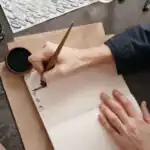
Teacher’s Activity: The teacher defines “Edemede Nduzi” (Guided Composition) and explains its importance. The teacher then introduces the main parts of a composition (Isiokwu, Ahụ edemede, Mmechi) using a simple example on the board.
Pupils’ Activity: Pupils listen attentively and ask questions for clarification.
Learning Point: Pupils understand the meaning of guided composition and its basic structure.
Step 3: Steps for Writing a Guided Composition
Time: 8 minutes
Teaching Skill: Explanation/Demonstration
Teacher’s Activity: The teacher explains the step-by-step process of writing a guided composition, from understanding the topic to reviewing the written work. The teacher provides a very simple topic and guides pupils on how to brainstorm and structure ideas.
Pupils’ Activity: Pupils follow the teacher’s explanation and take notes.
Learning Point: Pupils learn the practical steps involved in writing a composition.
Step 4: Practice Writing
Time: 7 minutes
Teaching Skill: Guided Practice
Teacher’s Activity: The teacher gives pupils a simple guided topic (e.g., “Ụbọchị Ahịa n’Obodo Anyị”) and asks them to write a short paragraph, focusing on the introduction and one body paragraph, applying the steps learned. The teacher moves around to assist.
Pupils’ Activity: Pupils attempt to write a short guided composition in their notebooks.
Learning Point: Pupils apply their understanding to practical writing.
Step 5: Presentation of Akaọrụ
Time: 5 minutes
Teaching Skill: Explanation/Visualisation
Teacher’s Activity: The teacher defines “Akaọrụ” (Crafts/Handicrafts) and explains its cultural significance. The teacher then shows pictures of different Igbo crafts (if available) or describes them, asking pupils to identify any they recognize.
Pupils’ Activity: Pupils listen, observe the pictures, and mention crafts they know.
Learning Point: Pupils understand what crafts are and their cultural value.
Step 6: Types of Igbo Crafts and Community-Specific Crafts
Time: 5 minutes
Teaching Skill: Listing/Questioning
Teacher’s Activity: The teacher lists various types of Igbo crafts such as pottery, carving, weaving, and blacksmithing. The teacher also mentions specific crafts known in certain communities like Awka (blacksmithing) or Abakaliki (pottery) and asks pupils if they know any crafts specific to their own community.
Pupils’ Activity: Pupils listen, take notes, and share information about crafts in their communities.
Learning Point: Pupils identify different Igbo crafts and relate them to specific communities.
Step 7: Evaluation/Review
Time: 5 minutes
Teaching Skill: Questioning/Assessment
Teacher’s Activity: The teacher evaluates the learning by asking the following questions:
- Kọwaa ihe bụ “Edemede Nduzi.”
- Gịnị bụ akụkụ atọ bụ isi nke edemede?
- Depụta ụzọ abụọ e si ede edemede nduzi.
- Kọwaa ihe bụ “Akaọrụ.”
- Kpọọ aha akaọrụ atọ ndị Igbo na-arụ.
- Kwuo akaọrụ e jiri mara obodo Awka.
Pupils’ Activity: Pupils answer orally and in writing.
Learning Point: Pupils demonstrate understanding of the lesson.
Step 8: Conclusion
Time: 0 minutes (integrated)
Teaching Skill: Summarization
Teacher’s Activity: The teacher briefly summarizes the key points of the lesson on guided composition and Igbo crafts. The teacher encourages pupils to practice writing and appreciate their cultural heritage.
Pupils’ Activity: Pupils listen and prepare for the next lesson.
Learning Point: The lesson is reinforced and concluded.
Lesson Keywords
- Edemede Nduzi – Guided composition
- Akaọrụ – Crafts/Handicrafts
- Isiokwu – Title/Topic
- Ahụ Edemede – Body of composition
- Mmechi – Conclusion
- Ihe ọkpụkpụ – Carving/Sculpture
- Ime ite – Pottery
- Ime nkata – Basket weaving
Differentiation
For pupils who grasp concepts quickly, the teacher can ask them to write a slightly longer paragraph or identify more complex crafts. For those who need more support, the teacher will provide more direct guidance during the writing practice and simplify explanations about crafts, using more visual aids.
Note for teachers using this lesson plan
Teachers should encourage pupils to speak Igbo throughout the lesson. Practical examples and visual aids are important for explaining both composition writing and crafts. Emphasize the connection between the crafts and the daily lives and cultural practices of the Igbo people.
Community Join the conversation Open discussion +