

Class: Primary 6
Term: 3rd Term
Week: 8
Age: 11 years
Duration: 40 minutes
Subject: Cultural And Creative Arts
Curriculum Theme:
Previous Lesson: Materials Needed For Batik
Topic: Method Of Batik
Content/Learning Area: Method Of Batik
Performance Objectives
By the end of the lesson, pupils should be able to:
- Cognitive Domain: Identify and describe different methods of batik.
- Affective Domain: Appreciate the creativity involved in batik making.
- Psychomotor Domain: Demonstrate the basic steps of a chosen batik method using simple tools.
- Social Domain: Cooperate with classmates in group batik-related activities.
Reference Materials
The following resources were used in planning this lesson:
- 9 Years Basic Education Curriculum
- Abuja Educational Resource Centre Scheme of Work
- NAPPS National Unified Scheme of Work
- Online Information from: wikipedia – Batik
- Relevant Textbooks
Instructional Materials
The teacher will teach this lesson with the aid of:
- Samples of batik fabric
- White cloth or cotton fabric
- Wax or melted candle
- Dyes and dyeing containers
- Brushes or stamps
- Pictures and charts showing batik process
- Projector or video showing batik-making process
Rationale for the Lesson
Understanding batik methods helps pupils learn how to create decorative fabric art, promotes cultural appreciation, and encourages creativity and entrepreneurship.
Prerequisite/Previous Knowledge
Pupils already know about textile decoration and have seen or used batik fabric at home or in clothing.
Lesson Content
Method of Batik
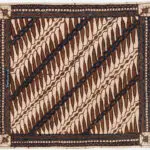
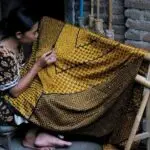
Batik is a way of decorating cloth using wax and dye. Wax is used to make patterns, then the cloth is dyed to add colour. When the wax is removed, the design remains.
Types of Batik Methods
There are different ways to make batik depending on how the wax is applied to the cloth.
These include:
- Hand drawing method: This method uses a tool to draw wax patterns directly on the fabric by hand.
- Stamping method: This method uses a stamp to press wax onto fabric to form a pattern.
- Stenciling method: This method uses a stencil or cut-out design to apply wax over specific areas of the fabric.
- Screen printing method: This method uses a screen with patterns to apply wax or dye over the fabric in layers.
Teaching Methods
Discussion, Explanation, Demonstration, Group Work, Visual Aids
Instructional Procedures
To deliver this lesson, the teacher will adopt the following steps:
Step 1: Introduction
Time: 5 mins
Teaching Skill: Set Induction
Teacher’s Activity: Tells a short story about traditional cloth making and shows batik fabric.
Pupils’ Activity: Listen, look at fabric, and respond to questions.
Learning Point: Interest in batik is aroused.
Step 2: Meaning of Batik
Time: 5 mins
Teaching Skill: Explanation
Teacher’s Activity: Explains what batik is using simple terms and visuals.
Pupils’ Activity: Listen and ask questions.
Learning Point: Understanding of the meaning of batik.
Step 3: Types of Batik Methods
Time: 7 mins
Teaching Skill: Discussion
Teacher’s Activity: Describes and shows examples of each method using charts or samples.
Pupils’ Activity: Observe, identify, and compare the methods.
Learning Point: Pupils recognize different batik techniques.
Step 4: Tools and Materials Used
Time: 7 mins
Teaching Skill: Demonstration
Teacher’s Activity: Displays tools used in each method and explains their use.
Pupils’ Activity: Identify and name the tools.
Learning Point: Pupils know the tools used in batik making.
Step 5: Batik Activity Demo
Time: 7 mins
Teaching Skill: Group Work
Teacher’s Activity: Performs a simple batik method while explaining each step.
Pupils’ Activity: Observe and ask questions.
Learning Point: Pupils see how batik is made practically.
Step 6: Note Taking
Time: 4 mins
Teaching Skill: Writing
Teacher’s Activity: Dictates key points for pupils to copy into their notes.
Pupils’ Activity: Copy notes neatly into their books.
Learning Point: Pupils record key information from the lesson.
Step 7: Evaluation
Time: 3 mins
Teaching Skill: Questioning
Teacher’s Activity: Asks oral questions and reviews key points with the class.
Pupils’ Activity: Answer and participate.
Learning Point: Teacher checks pupil understanding.
Objective-aligned checks:
- Identify and describe different methods of batik.
- Demonstrate the basic steps of a chosen batik method using simple tools.
Step 8: Conclusion
Time: 2 mins
Teaching Skill: Instructional/Cognitive
Teacher’s Activity: Summarizes the lesson and encourages pupils to try batik at home.
Pupils’ Activity: Listen and reflect on what they have learned.
Learning Point: Pupils appreciate the value of cultural arts.
Home Task: Describe or illustrate one lesson example of Method Of Batik and include one safety or performance rule. Do not practise a risky activity without adult supervision.
Lesson Keywords
- Batik: Cloth decoration using wax and dye
- Stencil: A cut-out design used for pattern making
- Tjanting: A tool for drawing wax patterns
- Stamping: Using a block to press wax onto fabric
- Screen Printing: Applying dye through a patterned screen
Lesson Evaluation
To evaluate the learning, the teacher asks pupils to:
- What is batik?
- Mention two methods of batik.
- Name one tool used in hand drawing method.
- What is used to create patterns in stenciling?
- Mention one thing used in screen printing method.
Differentiation
The teacher will support slower learners with visual aids and group assistance, while faster learners can identify more tools and assist others.
Note for teachers using this lesson plan
Prepare actual batik samples or simple demonstration materials to improve understanding. Avoid using hot wax directly with pupils.

Community Join the conversation Open discussion +