

Class: Pre-School Level 4
Term: Third Term
Week: 7
Age: 5 years
Duration: 30 minutes
Subject: Health Habits
Curriculum Theme: Health Habits
Previous Lesson: Understanding the importance of personal hygiene and healthy eating habits.
Topic: DISEASE AND SICKNESS: MEANING AND EXAMPLES
Subject Matter: DISEASE AND SICKNESS – Meaning of disease. – Examples of diseases: skin rashes, cholera, dysentery, malaria, guinea worm, measles, etc.
Specific Objectives
By the end of the lesson, pupils should be able to:
Cognitive Domain
- Define disease in simple terms.
- List at least three examples of common diseases.
- Identify pictures of people suffering from different diseases.
- State a simple cause for one common disease (e.g., mosquito bite for malaria).
Affective Domain
- Show concern for people who are sick.
- Understand the importance of telling an adult when they feel unwell.
Psychomotor Domain
- Point to pictures illustrating different diseases.
- Participate in a simple role-play about feeling sick and seeking help.
Social Domain
- Discuss with peers about staying healthy.
Reference Materials
- NAPPS National Unified Teaching Scheme for Pre-School Level 4
- Relevant Early Childhood Care and Education resources
- Picture cards showing healthy and sick children
Instructional Materials
- Charts and posters showing pictures of people with various diseases (e.g., skin rashes, measles spots, mosquito for malaria)
- Picture cards of healthy children versus sick children
- Flashcards with names or simple images of diseases
- Mp4 player or tablet for video presentation
- Storybook about feeling unwell and visiting a doctor
Rationale for the Lesson
This lesson is important for 5-year-olds as it introduces them to the concept of disease and sickness in an age-appropriate way. Understanding what it means to be sick and knowing common examples helps children recognise when they or others are unwell, promoting early communication with adults and fostering good health habits.Prerequisite/Previous Knowledge
Pupils have a basic understanding of what it means to be healthy and have learned about personal hygiene and healthy eating habits. They can recognise when they feel a little unwell (e.g., a cough or a headache).Lesson Content/Board Summary
DISEASE AND SICKNESS: MEANING AND EXAMPLES
What is a Disease or Sickness?
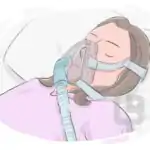
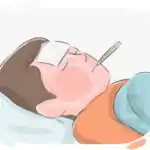
A disease or sickness is when our body is not working well, and we feel unwell or hurt. It makes us feel tired, weak, or painful, and we cannot play or learn properly.
Examples of Diseases:
- Skin Rashes: Red spots or bumps on the skin that can be itchy.
- Measles: A sickness that causes red spots all over the body, fever, and makes you feel very tired.
- Malaria: A sickness that gives you a high fever, headache, and body pain, often caused by a mosquito bite.
- Cholera/Dysentery: Sicknesses that make your tummy hurt a lot and cause you to visit the toilet many times. These often come from eating dirty food or drinking dirty water.
- Guinea Worm: A sickness caused by drinking dirty water with tiny worms inside.
What the Teacher Should Show or Draw
- Show pictures of a child with skin rashes.
- Show a picture of a mosquito and explain it carries malaria.
- Display charts showing children with measles spots.
- Show pictures of healthy food and clean water versus dirty food and water.
Stay Healthy Song
Tune: “Twinkle, Twinkle Little Star”
Lyrics:
When I feel a little sick,
Body aches or tummy quick,
I will tell my Mummy dear,
Or my teacher, very clear.
They will help me feel much better,
So I can be a happy getter!
Actions:
- “When I feel a little sick”: Hold head or tummy.
- “Body aches or tummy quick”: Rub tummy.
- “I will tell my Mummy dear”: Point to self, then make talking motion.
- “Or my teacher, very clear”: Point to teacher.
- “They will help me feel much better”: Nod head, smile.
- “So I can be a happy getter!”: Clap hands.
How to use the rhyme: Sing the song together, encouraging pupils to perform the actions, especially the part about telling an adult when they feel sick.
Watch and Learn About Sickness
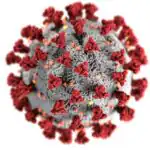
The teacher will show a short, age-appropriate video explaining how germs can make us sick and the importance of hygiene.
Key Words
- Disease – when your body is not well.
- Sickness – feeling unwell.
- Malaria – a sickness from mosquito bite.
- Measles – a sickness with red spots.
- Rashes – red spots on your skin.
Teaching Methods/Instructional Techniques
Play-based Learning, Demonstration, Guided Practice, Songs and Rhymes, Storytelling, Picture Talk, Question and Answer, Role-play, Repetition, Practical Activity, Video Presentation.Instructional Procedures
Step 1: Introduction
Time: 3 minutes
Teaching Skill: Engaging, Recalling
Teacher’s Activity: The teacher greets the pupils and starts with a quick “How are you feeling today?” check. The teacher sings a short “Hello” song and then asks pupils if they remember what makes them healthy (e.g., washing hands, eating good food).
Pupils’ Activity: Pupils respond to greetings, sing along, and share ideas about staying healthy.
Learning Point: Pupils recall previous knowledge about health and hygiene.
Step 2: Meaning of Disease
Time: 5 minutes
Teaching Skill: Explaining, Visualisation
Teacher’s Activity: The teacher introduces the topic “Disease and Sickness.” Using simple language, the teacher explains what a disease or sickness means: “Sometimes our bodies don’t feel well, and we get sick. This is called a disease or sickness.” The teacher shows a picture of a healthy child and a child looking unwell.
Pupils’ Activity: Pupils listen attentively, observe the pictures, and repeat the word “disease” or “sickness.”
Learning Point: Pupils understand the simple meaning of disease/sickness.
Step 3: Examples of Diseases (Visuals)
Time: 7 minutes
Teaching Skill: Demonstrating, Identifying
Teacher’s Activity: The teacher uses charts, posters, and picture cards to show different examples of diseases mentioned in the subject matter (skin rashes, measles, malaria, etc.). For each picture, the teacher briefly explains what it is and how it makes someone feel (e.g., “This child has rashes, red spots on the skin,” “This child has measles, lots of spots and fever”). The teacher then plays the video about germs and sickness.
Pupils’ Activity: Pupils observe the pictures and video, listen to the explanations, and try to identify the different diseases shown.
Learning Point: Pupils recognise visual examples of common diseases.
Step 4: Causes of Some Diseases
Time: 4 minutes
Teaching Skill: Explaining, Connecting
Teacher’s Activity: The teacher focuses on one common cause. “Do you know what causes malaria? It’s a tiny mosquito bite!” The teacher shows a picture of a mosquito. The teacher also briefly mentions that dirty food and water can cause tummy aches (cholera/dysentery).
Pupils’ Activity: Pupils listen and point to the mosquito picture. They discuss what they know about mosquitoes.
Learning Point: Pupils learn a simple cause for malaria and understand that dirty things can make them sick.
Step 5: Discussion and Role-play (What to do when sick)
Time: 4 minutes
Teaching Skill: Facilitating, Role-playing
Teacher’s Activity: The teacher leads a discussion: “What should you do if you feel sick?” The teacher emphasises telling a parent, guardian, or teacher immediately. The teacher guides a simple role-play where one pupil pretends to be sick and another pretends to be the adult they tell.
Pupils’ Activity: Pupils share ideas and participate in the short role-play, practicing telling an adult when unwell.
Learning Point: Pupils learn the importance of informing an adult when they feel sick.
Step 6: Song Reinforcement
Time: 3 minutes
Teaching Skill: Reinforcing, Singing
Teacher’s Activity: The teacher leads the pupils in singing the “Stay Healthy Song” again, encouraging them to do the actions and remember the message of telling an adult when unwell.
Pupils’ Activity: Pupils sing the song with actions, reinforcing the lesson’s key message.
Learning Point: Pupils consolidate the message of seeking help when sick through song.
Step 7: Evaluation/Review
Time: 4 minutes
Teaching Skill: Questioning/Assessment
Teacher’s Activity: The teacher checks pupils’ understanding through short questions and practical tasks.
- What is a disease or sickness? (When our body is not well.)
- Name one disease that makes you feel sick. (Expected answers: malaria, measles, rashes.)
- Point to the picture of the child with rashes.
- What should you do if you feel sick? (Tell an adult.)
Pupils’ Activity: Pupils respond orally and demonstrate the required skill where appropriate.
Learning Point: Pupils demonstrate understanding of the lesson.
Step 8: Conclusion
Time: 2 minutes
Teaching Skill: Summarising, Encouraging
Teacher’s Activity: The teacher summarises the lesson by reminding pupils that it’s important to know about diseases so they can stay healthy and tell an adult if they ever feel unwell. The teacher praises pupils for their participation.
Pupils’ Activity: Pupils listen and say “Thank you, teacher.”
Learning Point: Pupils recap the main points of the lesson and are encouraged to practice good health habits.
Lesson Keywords
- Disease – when your body is not feeling well.
- Sickness – feeling unwell or sick.
- Malaria – a common sickness caused by a mosquito bite.
- Measles – a sickness that gives you red spots and fever.
- Rashes – red marks or bumps on the skin.
Differentiation
- Support: For pupils who struggle, the teacher will use larger, clearer pictures and focus on only two or three very common diseases (e.g., rashes, malaria). The teacher will use hand-over-hand guidance to point to pictures and encourage repetition of simple definitions.
- Extension: For pupils who grasp the concept quickly, the teacher can ask them to name another way to stay healthy to avoid sickness (e.g., washing hands, eating fruits). They can also identify more details in the pictures or explain in their own words why it’s important to tell an adult.

Community Join the conversation Open discussion +