

Class: Pre-School Level 4
Term: Third Term
Week: 10
Age: 5 years
Duration: 30 minutes
Subject: Health Habits
Curriculum Theme: Health Habits
Previous Lesson: Not separately stated in the scheme
Topic: Prevention and Treatment of Diseases
Subject Matter: Prevention and Treatment of Diseases
Specific Objectives
By the end of the lesson, pupils should be able to:
Cognitive Domain
- Identify at least three ways to prevent common diseases.
- Name at least two ways diseases can be treated.
Affective Domain
- Appreciate the importance of keeping themselves clean and healthy.
- Show willingness to inform an adult when they feel unwell.
Psychomotor Domain
- Demonstrate simple actions for preventing diseases, such as washing hands.
Social Domain
- Participate in discussions about healthy habits.
Reference Materials
- NAPPS National Unified Teaching Scheme for Pre-School Level 4
- Relevant Early Childhood Care and Education resources
Instructional Materials
- Charts showing healthy habits (e.g., handwashing, eating fruits, sleeping)
- Posters depicting sick children and children visiting a doctor
- Mp4 player (for video)
- Picture cards of healthy food, clean water, soap, doctor’s office
- Real bar of soap and a small basin of water (for demonstration)
- Hand towel
Rationale for the Lesson
This lesson is important for 5-year-olds because it teaches them practical ways to stay healthy and what to do when they feel sick. Understanding disease prevention helps children develop good hygiene habits early, protecting them from common illnesses. Knowing how to seek treatment empowers them to communicate their needs to adults, ensuring they receive proper care.
Prerequisite/Previous Knowledge
Pupils have basic knowledge of personal hygiene, such as bathing and eating food. They also know that sometimes people feel unwell.
Lesson Content/Board Summary
Prevention and Treatment of Diseases
A disease is when our body is not working well and we feel sick. We can prevent diseases and also treat them when we get sick.
Prevention of Diseases
To stop ourselves from getting sick, we need to:
- Drink clean water: Always drink water that looks clear and is from a safe source.
- Wash hands regularly: Wash hands with soap and water before eating, after using the toilet, and after playing.
- Maintain good personal hygiene:
- Take a bath every day.
- Brush your teeth twice a day.
- Keep your nails short and clean.
- Eat healthy food: Eat fruits, vegetables, and other good food to make your body strong.
- Get enough rest: Sleep well so your body can be strong.
- Cover your mouth: When you cough or sneeze, use your elbow or a tissue.
- Keep your environment clean: Don’t litter; help keep your home and school clean.
Clean Hands Song
Tune: “Twinkle, Twinkle Little Star”
Wash, wash, wash your hands,
Wash them clean with soap and water.
Rub and scrub and make them clean,
Germs go away, you’ll feel so keen!
Actions: Mimic washing hands, rubbing palms, scrubbing fingers.
How to use the rhyme: Sing this song while demonstrating handwashing or when reminding pupils about hygiene.
Watch and Practise
Let’s watch a video about healthy habits to help us prevent diseases.
Treatment of Diseases
If we feel sick, we need to get help to feel better. Here’s what we should do:
- Tell an adult: Always tell your mummy, daddy, teacher, or another trusted adult if you feel sick or hurt.
- Go to the doctor/clinic: An adult will take you to see a doctor or nurse who can help you.
- Take prescribed medicine: Only take medicine given by a doctor or an adult, and never take it on your own.
- Get injections (if needed): Sometimes the doctor might give an injection to help you get better quickly.
- Take herbs (under adult supervision): Some traditional herbs can help, but only when given by a knowledgeable adult.
Key Words
- Disease – when your body feels sick or is not working well.
- Prevent – to stop something from happening.
- Treat – to make someone who is sick feel better.
- Hygiene – keeping yourself and your surroundings clean.
- Doctor – a person who helps sick people get well.
What the Teacher Should Show or Draw
- Pictures of children washing hands, brushing teeth, eating healthy food.
- Pictures of a doctor and a nurse.
- A simple drawing of a clean and dirty environment.
- Demonstrate how to wash hands properly.
Teaching Methods/Instructional Techniques
Play-based Learning, Demonstration, Guided Practice, Songs and Rhymes, Picture Talk, Question and Answer, Role-play, Repetition, Practical Activity.
Instructional Procedures
Step 1: Introduction
Time: 3 minutes
Teaching Skill: Engaging/Recalling
Teacher’s Activity: The teacher greets pupils and asks them how they are feeling today. “Are you all feeling strong and healthy?” The teacher sings a short, simple “Hello, how are you?” song.
Pupils’ Activity: Pupils respond to greetings and participate in the song.
Learning Point: Pupils are engaged and ready to learn, connecting to the idea of feeling well.
Step 2: Presentation – What is a Disease?
Time: 4 minutes
Teaching Skill: Explaining/Visuals
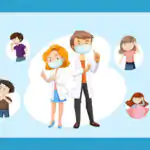
Teacher’s Activity: The teacher explains in simple terms what a disease is (when our body is not working well and we feel sick). The teacher shows pictures of children who look healthy and children who look sick (e.g., coughing, sad face).
Pupils’ Activity: Pupils listen and observe the pictures, identifying healthy and sick children.
Learning Point: Pupils understand the basic concept of a disease.
Step 3: Ways to Prevent Diseases
Time: 6 minutes
Teaching Skill: Demonstrating/Discussing
Teacher’s Activity: The teacher discusses ways to prevent diseases, using charts and picture cards. The teacher demonstrates proper handwashing with soap and water. The teacher leads pupils in singing the “Clean Hands Song.”
Pupils’ Activity: Pupils listen, observe the demonstration, identify actions in pictures, and sing along with actions.
Learning Point: Pupils learn practical ways to prevent diseases and practise a hygiene song.
Step 4: Reinforcement – Preventing Diseases
Time: 5 minutes
Teaching Skill: Questioning/Guided Practice
Teacher’s Activity: The teacher asks pupils to name other ways they can prevent diseases (e.g., eating healthy food, bathing, sleeping well). The teacher guides them to identify these actions from charts or their own experience.
Pupils’ Activity: Pupils mention ways to prevent diseases and point to relevant pictures or demonstrate actions.
Learning Point: Pupils reinforce their understanding of disease prevention through recall and identification.
Step 5: Ways to Treat Diseases
Time: 5 minutes
Teaching Skill: Explaining/Picture Talk
Teacher’s Activity: The teacher introduces the idea of treating diseases. The teacher uses posters of doctors and clinics to explain what to do when sick: tell an adult, go to a doctor, take medicine (only from an adult). The teacher emphasizes never taking medicine alone.
Pupils’ Activity: Pupils listen and look at the pictures, understanding the steps to take when sick.
Learning Point: Pupils learn the importance of seeking adult help and proper treatment when ill.
Step 6: Role-play/Discussion – Treating Diseases
Time: 3 minutes
Teaching Skill: Role-play/Facilitation
Teacher’s Activity: The teacher initiates a simple role-play where one pupil pretends to be sick and another pretends to be a parent or teacher taking them to a “doctor” (the teacher). The teacher encourages pupils to discuss what they would say if they felt sick.
Pupils’ Activity: Pupils participate in the role-play and discuss how they would tell an adult about feeling sick.
Learning Point: Pupils practise communicating their feelings of illness and understand the role of adults in treatment.
Step 7: Evaluation/Review
Time: 4 minutes
Teaching Skill: Questioning/Assessment
Teacher’s Activity: The teacher checks pupils’ understanding through short questions and practical tasks.
- “Show me how you wash your hands to prevent germs.”
- “What should you do if you feel a tummy ache?”
- “Name one thing you can do to stay healthy.”
- “Who helps us when we are sick?”
Pupils’ Activity: Pupils respond orally and demonstrate the required skill where appropriate.
Learning Point: Pupils demonstrate understanding of the lesson.
Step 8: Conclusion
Time: 2 minutes
Teaching Skill: Summarizing/Encouraging
Teacher’s Activity: The teacher summarizes the main points: “Remember to keep yourselves clean and strong so you don’t get sick. If you ever feel sick, always tell a grown-up right away!” The teacher praises pupils for their participation.
Pupils’ Activity: Pupils listen and affirm their commitment to staying healthy.
Learning Point: Pupils are encouraged to apply the learned healthy habits in their daily lives.
Lesson Keywords
- Disease – when your body feels sick.
- Prevent – to stop something from happening.
- Treat – to make someone who is sick feel better.
- Hygiene – keeping clean.
- Doctor – a person who helps sick people.
Differentiation
- Support: For pupils who struggle, the teacher can provide more one-on-one prompts, use larger and clearer picture cards, and repeat instructions slowly. Hand-over-hand guidance can be used for demonstrating handwashing.
- Extension: For pupils who grasp the concepts quickly, the teacher can ask them to name more ways to prevent diseases or explain *why* certain habits are important (e.g., “Why do we wash our hands?”). They can also help lead the handwashing demonstration or role-play.
Note for teachers using this lesson plan
Before the lesson, prepare charts and picture cards for both prevention and treatment. Ensure you have a bar of soap, water, and a basin ready for the handwashing demonstration. The key idea for pupils to grasp is that good habits keep them healthy, and when they do get sick, they must tell an adult. Emphasize that taking medicine without adult supervision is dangerous. Encourage active participation in the song and role-play. Observe pupils’ ability to demonstrate handwashing and their responses to questions to gauge understanding.
Community Join the conversation Open discussion +