

Class: Pre-School Level 4
Term: Third Term
Week: 2
Age: 5 years
Duration: 30 minutes
Subject: Health Habits
Curriculum Theme: Health Habits
Previous Lesson: Not separately stated in the scheme.
Topic: SANITATION: MEANING AND IMPORTANCE
Subject Matter: Sanitation: Meaning and Importance
Specific Objectives
By the end of the lesson, pupils should be able to:
Cognitive Domain
- Define sanitation in simple terms.
- State at least two reasons why sanitation is important.
- Identify objects used for sanitation.
Affective Domain
- Show willingness to keep their environment clean.
- Appreciate the importance of a clean environment for good health.
Psychomotor Domain
- Demonstrate simple ways of sanitising the classroom environment.
- Properly use a dustpan and broom to pick up litter.
Social Domain
- Participate in group cleaning activities.
- Take turns using cleaning tools responsibly.
Reference Materials
- NAPPS National Unified Teaching Scheme for Pre-School Level 4
- Early Childhood Care and Education resources
- Relevant picture charts on sanitation
Instructional Materials
- Broom
- Dustpan
- Dustbin
- Charts showing clean and dirty environments
- Pictures of children cleaning
- MP4 player (for video demonstration)
Rationale for the Lesson
This lesson is important because it introduces young children to the concept of keeping their surroundings clean. Understanding sanitation at an early age helps pupils develop healthy habits, prevent illnesses, and appreciate a tidy environment, which are crucial for their overall well-being and development.
Prerequisite/Previous Knowledge
Pupils know how to keep their bodies clean and understand simple instructions about tidiness in the classroom.
Lesson Content/Board Summary
SANITATION: Meaning and Importance
Sanitation means keeping our surroundings clean and free from dirt and germs. It means making sure our homes, schools, and communities are neat and healthy places to live and play.
Ways to Practise Sanitation:
- Sweeping the floor.
- Picking up litter and putting it in the dustbin.
- Washing hands with soap and water.
- Disposing of waste properly in a dustbin.
- Keeping our toilets and bathrooms clean.
Importance of Sanitation:
- To stay healthy: When our environment is clean, we don’t get sick easily from germs.
- To feel good: A clean place looks nice and makes us happy.
- To prevent bad smells: Dirt and rubbish can cause bad smells.
- To keep away pests: Flies, mosquitoes, and rats like dirty places. Sanitation keeps them away.
Key Words
- Sanitation – keeping our environment clean and healthy.
- Germs – tiny things that can make us sick.
- Litter – rubbish or waste that is left untidily.
- Dustbin – a container for waste.
What the Teacher Should Show or Draw
The teacher should display charts showing:
- A clean classroom and a dirty classroom.
- Children sweeping, picking litter, and washing hands.
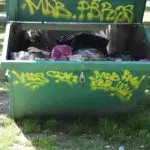
- A dustbin with litter inside.
Clean Environment Song
Tune: “Twinkle, Twinkle Little Star”
Lyrics:
Clean, clean, keep our space,
Every corner, every place.
Sweep the floor and pick up dirt,
So no germs can make us hurt.
Clean, clean, keep our space,
Happy smiles on every face.
Actions:
- “Clean, clean, keep our space” – make sweeping motions with hands.
- “Every corner, every place” – point around the room.
- “Sweep the floor and pick up dirt” – mime sweeping and picking up.
- “So no germs can make us hurt” – shake head “no” and hug self.
- Repeat actions for the last two lines.
How to use the rhyme: The teacher leads pupils in singing the song with actions after explaining the meaning and importance of sanitation. Repeat several times to reinforce the message.
Watch and Learn About Keeping Clean
The teacher will show a short educational video about keeping the environment clean.
Teaching Methods/Instructional Techniques
Play-based Learning, Demonstration, Guided Practice, Songs and Rhymes, Picture Talk, Question and Answer, Role-play, Manipulation of Objects, Repetition, Practical Activity.Instructional Procedures
Step 1: Introduction
Time: 3 minutes
Teaching Skill: Engaging/Greeting
Teacher’s Activity: The teacher greets the pupils warmly and leads them in a short “Good Morning” song. The teacher then asks pupils what they do to keep their bodies clean.
Pupils’ Activity: Pupils respond to greetings and share simple ways they keep clean (e.g., bathing, brushing teeth).
Learning Point: Pupils are engaged and recall prior knowledge about cleanliness.
Step 2: Presentation of Meaning
Time: 5 minutes
Teaching Skill: Explaining/Visual Aids
Teacher’s Activity: The teacher displays charts showing a clean classroom and a dirty classroom. The teacher explains simply that “sanitation” means keeping our surroundings clean and tidy, like the clean classroom in the picture. The teacher uses the MP4 player to show the video.
Pupils’ Activity: Pupils observe the charts and video, listen to the teacher’s explanation, and point to the clean environment.
Learning Point: Pupils understand the simple meaning of sanitation through visual examples.
Step 3: Demonstration of Ways to Sanitize
Time: 5 minutes
Teaching Skill: Demonstration/Modelling
Teacher’s Activity: The teacher picks up a small piece of paper from the floor, puts it in a dustpan, and empties it into the dustbin. The teacher also demonstrates how to sweep a small area with a broom. The teacher emphasizes putting dirt in the dustbin.
Pupils’ Activity: Pupils watch the teacher carefully demonstrating how to clean and dispose of waste.
Learning Point: Pupils observe practical ways to keep the environment clean.
Step 4: Guided Practice (Pupil Demonstration)
Time: 6 minutes
Teaching Skill: Guided Practice/Supervision
Teacher’s Activity: The teacher provides small pieces of paper and asks a few pupils, one by one, to use the dustpan to pick them up and put them in the dustbin. The teacher guides them on how to hold the dustpan and broom.
Pupils’ Activity: Pupils take turns practising picking up litter with the dustpan and putting it in the dustbin under the teacher’s guidance.
Learning Point: Pupils gain practical experience in sanitising the environment.
Step 5: Discussion on Importance and Rhyme
Time: 4 minutes
Teaching Skill: Discussion/Reinforcement
Teacher’s Activity: The teacher asks, “Why is it good to keep our school clean?” and guides pupils to understand that it helps us stay healthy and happy. The teacher then leads pupils in singing the “Clean Environment Song” with actions.
Pupils’ Activity: Pupils offer simple reasons for keeping clean and enthusiastically sing the song with actions.
Learning Point: Pupils understand the importance of sanitation and reinforce learning through song.
Step 6: Application and Identification
Time: 3 minutes
Teaching Skill: Application/Observation
Teacher’s Activity: The teacher shows pictures of different scenarios (e.g., a child littering, a child sweeping, a dirty toilet, a clean park) and asks pupils to identify what is good or bad sanitation practice.
Pupils’ Activity: Pupils point to and identify good or bad sanitation practices in the pictures.
Learning Point: Pupils apply their understanding to identify correct sanitation behaviours.
Step 7: Evaluation/Review
Time: 4–5 minutes
Teaching Skill: Questioning/Assessment
Teacher’s Activity: The teacher checks pupils’ understanding through short questions and practical tasks.
- What does sanitation mean? (Teacher guides for simple answer: keeping clean.)
- Show me one way we can keep our classroom clean. (Pupils demonstrate picking up litter or sweeping.)
- Why is it important to keep our environment clean? (Teacher guides for answers like “to stay healthy,” “to be happy.”)
- Point to the dustbin.
Pupils’ Activity: Pupils respond orally and demonstrate the required skill where appropriate.
Learning Point: Pupils demonstrate understanding of the lesson.
Step 8: Conclusion
Time: 2 minutes
Teaching Skill: Summarising/Encouragement
Teacher’s Activity: The teacher praises the pupils for their participation and reminds them to always keep their environment clean at school and at home. The teacher leads a final round of the “Clean Environment Song.”
Pupils’ Activity: Pupils sing the song and promise to keep their environment clean.
Learning Point: Pupils are encouraged to practise sanitation habits consistently.
Lesson Keywords
- Sanitation – keeping our environment clean and healthy.
- Clean – free from dirt or stains.
- Dustbin – a container for waste.
- Germs – tiny things that can make us sick.
Differentiation
- Support: For pupils who struggle, the teacher can provide larger, easier-to-handle cleaning tools. Give more one-on-one guidance during practical demonstration, using hand-over-hand technique for sweeping. Use only two contrasting pictures (clean vs. dirty) for identification.
- Extension: For pupils who quickly grasp the concept, the teacher can ask them to name other places that need to be sanitised (e.g., their home, the school compound, the market). They can also be asked to suggest another way to keep the environment clean.
Note for teachers using this lesson plan
Before the lesson, ensure you have the broom, dustpan, dustbin, and relevant charts ready. If using an MP4 player, test the video beforehand. Emphasise practical demonstration and allow pupils ample opportunity to participate. Safety is key; ensure pupils handle cleaning tools carefully under supervision. The main idea children must understand is that a clean environment helps them stay healthy and happy. Observable actions like pointing to a clean picture, demonstrating sweeping, or identifying the dustbin will show understanding. Repeat the song and key phrases often to aid memory and reinforce the concept.

Community Join the conversation Open discussion +