

Class: Pre-School Level 4
Term: Second Term
Week: 5
Age: 5 years
Duration: 30 minutes
Subject: Health Habits
Curriculum Theme: Health Habits
Previous Lesson: Personal hygiene practices like washing hands and bathing.
Topic: Care of the Teeth, Functions and Healthy Practices
Subject Matter: Care of the Teeth: Functions and Healthy Practices
Specific Objectives
By the end of the lesson, pupils should be able to:
Cognitive Domain
- Identify their teeth in their mouth.
- State at least two functions of teeth (e.g., cutting, chewing).
- Recall at least two healthy practices for caring for their teeth.
Affective Domain
- Appreciate the importance of keeping their teeth clean and healthy.
- Enjoy participating in songs and rhymes about teeth care.
Psychomotor Domain
- Demonstrate the correct way to brush their teeth.
- Recite a short rhyme about brushing teeth.
Social Domain
- Participate actively in group discussions about healthy habits.
Reference Materials
- NAPPS National Unified Teaching Scheme for Pre-School Level 4.
- Early Childhood Care and Education curriculum resources.
- Relevant early-years health education workbook.
Instructional Materials
- Picture of the human teeth chart.
- Posters showing children brushing their teeth.
- A child-sized toothbrush and toothpaste (for demonstration).
- A cup of water.
- A large model of teeth or a diagram of teeth.
- A mirror (optional, for pupils to see their own teeth).
Rationale for the Lesson
This lesson is important for 5-year-olds as it introduces them to the fundamental practices of oral hygiene. Understanding how to care for their teeth and why it’s important helps them develop lifelong healthy habits, prevent tooth decay, and maintain good overall health from an early age.
Prerequisite/Previous Knowledge
Pupils can identify parts of their body and have learned about other personal hygiene practices like washing hands and bathing.
Lesson Content/Board Summary
Care of the Teeth: Functions and Healthy Practices
Our teeth are hard, white parts inside our mouth. They are very important!
Functions of Teeth
- Cutting food: Like when you bite an apple.
- Tearing food: Like when you eat meat.
- Chewing food: Grinding food into small pieces so we can swallow it easily.
- Helping us speak: Our teeth help us make certain sounds clearly.
- Making us smile: Healthy teeth make our smiles beautiful!
Healthy Practices for Caring for Your Teeth
- Brush your teeth twice a day: In the morning after you wake up, and at night before you sleep.
- Use a soft toothbrush and a pea-sized amount of toothpaste.
- Brush all parts of your teeth: the front, the back, and the top surfaces. Use gentle, circular motions.
- Rinse your mouth with clean water after brushing.
- Eat healthy foods like fruits, vegetables, and milk.
- Avoid too many sugary sweets, chocolates, and fizzy drinks, as they can harm your teeth.
- Visit the dentist regularly for check-ups.
Key Words
- Teeth – hard, white parts in our mouth used for chewing.
- Brush – to clean with a brush.
- Toothpaste – a paste used to clean teeth.
- Healthy – strong and not sick.
- Dentist – a doctor who takes care of teeth.
What the Teacher Should Show or Draw
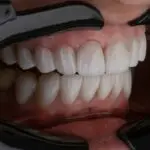
- Display a large picture chart of human teeth, pointing out different types of teeth.
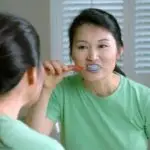
- Show a poster of a child brushing teeth correctly.
- Demonstrate the correct brushing technique using a large model of teeth or a child-sized toothbrush.
Clean Teeth Song
Tune: “This is the way we wash our clothes”
Lyrics:
This is the way I brush my teeth,
Brush my teeth, brush my teeth.
This is the way I brush my teeth,
Every morning and night!
Brush the front and brush the back,
Brush the back, brush the back.
Brush the front and brush the back,
Keep my teeth so clean and white!
Actions: Mimic brushing teeth (front, back, top), point to mouth, show a happy smile.
How to use the rhyme: Sing together with actions, repeating the song several times to reinforce the importance of brushing twice daily and the correct technique.
Watch and Practise
Let’s watch a short video about how to brush our teeth and sing along!
Teaching Methods/Instructional Techniques
Play-based Learning, Demonstration, Guided Practice, Songs and Rhymes, Picture Talk, Question and Answer, Repetition, Practical Activity.Instructional Procedures
Step 1: Introduction
Time: 3 minutes
Teaching Skill: Engaging/Recalling
Teacher’s Activity: The teacher greets the pupils and asks them to point to their mouth. “What do we have inside our mouth that helps us eat?” The teacher introduces the topic: “Today, we will learn about our teeth, what they do, and how to take good care of them.”
Pupils’ Activity: Pupils greet the teacher, point to their mouth, and try to guess what is inside. They listen attentively to the introduction.
Learning Point: Pupils are introduced to the topic of teeth and their importance.
Step 2: Identifying Teeth and Their Functions
Time: 5 minutes
Teaching Skill: Observation/Discussion
Teacher’s Activity: The teacher guides pupils to look at their teeth using a mirror (if available) or by feeling them with their tongue. The teacher uses a picture chart of teeth to discuss the functions: cutting, tearing, chewing, speaking, and smiling. “Can you bite an apple? That’s your teeth cutting! Can you chew your food? That’s your teeth working!”
Pupils’ Activity: Pupils look at their teeth, touch them with their tongue, and identify them. They listen and respond to questions about how they use their teeth for eating and speaking.
Learning Point: Pupils identify their teeth and understand their basic functions.
Step 3: Introducing Healthy Teeth Practices
Time: 5 minutes
Teaching Skill: Explanation/Visual Aid
Teacher’s Activity: The teacher explains why it’s important to care for teeth (to avoid pain, keep them strong, have a nice smile). The teacher introduces the idea of brushing teeth twice a day (morning and night) and eating healthy foods. The teacher shows posters of children brushing their teeth.
Pupils’ Activity: Pupils listen to the explanation and observe the posters. They answer simple questions about why clean teeth are good.
Learning Point: Pupils understand the importance of teeth care and are introduced to healthy practices.
Step 4: Demonstration of Brushing Technique
Time: 5 minutes
Teaching Skill: Demonstration/Modelling
Teacher’s Activity: The teacher demonstrates the correct way to brush teeth using a child-sized toothbrush and a large model of teeth or their own hand. The teacher shows how to put a pea-sized amount of toothpaste, brush the front, back, and top surfaces in gentle circular motions, and rinse. The teacher emphasizes brushing for at least two minutes.
Pupils’ Activity: Pupils observe the teacher’s demonstration carefully. They may mimic the motions in the air with their fingers.
Learning Point: Pupils observe and learn the correct technique for brushing teeth.
Step 5: Guided Practice and Rhyme Reinforcement
Time: 4 minutes
Teaching Skill: Guided Practice/Singing
Teacher’s Activity: The teacher leads the pupils to practice the brushing motions in the air. The teacher then leads the pupils in singing the “Clean Teeth Song” with actions, repeating it a few times to reinforce the message of brushing twice a day and the correct movements.
Pupils’ Activity: Pupils actively participate by mimicking brushing motions and singing the song with actions.
Learning Point: Pupils practice brushing motions and reinforce learning through song.
Step 6: Discussion on Healthy Foods and Dentist Visits
Time: 3 minutes
Teaching Skill: Discussion/Reinforcement
Teacher’s Activity: The teacher briefly discusses healthy foods that are good for teeth (fruits, vegetables, milk) and foods to limit (sweets, fizzy drinks). The teacher also explains that visiting a dentist helps keep teeth healthy. “Who helps us take care of our teeth when we visit them?”
Pupils’ Activity: Pupils name some healthy foods and listen to the importance of visiting the dentist.
Learning Point: Pupils learn about diet and professional dental care for healthy teeth.
Step 7: Evaluation/Review
Time: 4 minutes
Teaching Skill: Questioning/Assessment
Teacher’s Activity: The teacher checks pupils’ understanding through short questions and practical tasks.
- “Point to your teeth.”
- “What do your teeth help you do?” (e.g., eat, chew)
- “How many times a day should you brush your teeth?”
- “Show me how you brush your teeth.”
Pupils’ Activity: Pupils respond orally and demonstrate the required skill where appropriate.
Learning Point: Pupils demonstrate understanding of the lesson.
Step 8: Conclusion
Time: 1 minute
Teaching Skill: Summarising/Encouragement
Teacher’s Activity: The teacher summarises the importance of clean teeth and encourages pupils to practice brushing their teeth every morning and night. “Remember, clean teeth make a happy, healthy you!”
Pupils’ Activity: Pupils listen to the summary and promise to take care of their teeth.
Learning Point: Pupils are encouraged to apply what they have learned.
Lesson Keywords
- Teeth – the hard, white parts in our mouth that help us eat and speak.
- Brush – to clean something with a brush.
- Toothpaste – a special cream used with a toothbrush to clean teeth.
- Healthy – strong and free from sickness.
- Dentist – a doctor who helps us keep our teeth strong and healthy.
Differentiation
- Support: For pupils who struggle, the teacher can provide more one-on-one demonstration of brushing, use larger pictures, and repeat the song and actions more frequently. Peer support can be encouraged.
- Extension: For quicker learners, the teacher can ask them to name more foods that are good or bad for teeth, or to explain in their own words why brushing is important. They can also lead the class in the brushing demonstration or song.
Note for teachers using this lesson plan
Before the lesson, ensure you have all instructional materials ready, especially the toothbrush, toothpaste, and a model of teeth for clear demonstration. The main idea children must understand is the routine of brushing twice a day and the basic technique. Pay attention to the children’s hand movements during the air-brushing practice. Repeat the song and actions often, as repetition aids memory at this age. Involve shy pupils by asking them to point to pictures or join in the song. For quicker pupils, encourage them to share their experiences with brushing or visiting the dentist. Emphasize that brushing should be gentle, not hard. Observe if pupils can correctly mimic the brushing action and state the frequency of brushing as an observable action showing understanding.

Community Join the conversation Open discussion +