

Class: Primary Two
Term: Second Term
Subject: National Values Education
Curriculum Theme: Security Education
Previous Lesson:
Topic: preventive Measures And Security agencies
Content/Learning Area: Meaning Of Preventive Measures, preventive Measures To prevent Dangers And Insecurity indoor
Time Allocation: 40 minutes
Performance Objectives
By the end of the lesson, pupils should be able to:
- Cognitive Domain:
1. Explain the meaning of preventive measures.
2. List three preventive measures to prevent danger and insecurity indoors.
- Affective Domain:
1. Show an increased awareness of personal safety.
2. Value the importance of preventive measures in maintaining safety.
- Psychomotor Domain:
1. Demonstrate the practical application of at least two preventive measures.
- Social Domain:
1. Cooperate wiht others in practicing safety measures.
Reference Materials
- 9 – Years Basic Education curriculum
- abuja Educational Resource Center Scheme of Work
- NAPPS National Unified scheme of Work
- Relevant textbooks
Instructional Materials
To deliver this lesson, the teacher will use the following materials:
- Whiteboard or chart paper
- Markers or crayons
- Pictures illustrating preventive measures
Rationale for the Lesson
This lesson is crucial for equipping pupils with essential life skills to ensure their safety and well-being. Understanding preventive measures empowers them to make informed decisions and avoid potential dangers, contributing to a safer environment at home and beyond.
Prerequisite/Previous Knowledge
The teacher will begin by asking pupils about their experiences at home, prompting them to share instances where they felt safe or unsafe.This will lead into a discussion about the importance of safety and preventive measures.
Lesson Content
Prevention Of Dangers And Insecurity Indoor
Preventive measures are actions we take to keep ourselves safe from harm. They help us avoid risky situations and protect ourselves from bad things happening.
Meaning Of Preventive Measures
Preventive measures are things we do to stop something bad from happening. It’s like putting a fence around your house to keep strangers out.
Preventive Measures To Prevent Dangers And Insecurity Indoor
Preventive measures are actions taken to minimize or eliminate potential risks and hazards indoors. these include:
- Locking Doors and Windows: Always lock your doors and windows when you’re at home.This keeps strangers from coming inside and keeps you safe.
- Safe Handling of Sharp Objects: Never play with sharp objects like scissors or knives. They can be risky and cause injuries.
- fire Safety Awareness: Learn about fire safety. This means knowing what to do if there is a fire, like how to get out of the house safely. It also means not playing with matches or lighters.
- proper Use of Electrical Appliances: Be careful when using electrical appliances. Don’t overload sockets and always be careful with cords. This helps prevent electrical accidents.
- Keeping Harmful Substances Out of Reach: Store cleaning supplies,medications,and other potentially harmful substances in a secure location where children cannot access them.
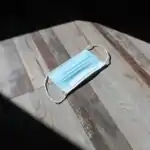
- Practicing Good Hygiene: Regularly wash hands to prevent the spread of germs and illnesses.
- Being Aware of Strangers: Never open the door to strangers and always inform a trusted adult if someone you don’t know approaches you.
Teaching Methods
To deliver this lesson, the teacher will adopt the following methods: Discussion, Question and answer, Visual aids
Instructional Procedures
To deliver this lesson, the teacher will adopt the following steps:
Step 1: Introduction
time: 5 minutes
Teaching Skill: Set Induction
Teacher’s Activity: Engage pupils with a brief discussion about safety at home.
Pupils’ Activity: Participate in the discussion, sharing their experiences.
Step 2: Clarification of Key Concepts
Time: 10 minutes
Teaching skill: Explanation
Teacher’s Activity: Explain the meaning of preventive measures using simple examples.
Pupils’ Activity: Listen attentively and ask clarifying questions.
Step 3: Demonstration/Guided Practice
Time: 10 minutes
Teaching Skill: Demonstration
Teacher’s Activity: Demonstrate and explain various preventive measures using visual aids.
Pupils’ Activity: Observe the demonstration and participate in guided practice.
Step 4: Independent Practice
Time: 5 minutes
Teaching Skill: Monitoring
Teacher’s Activity: guide pupils as they work independently on a worksheet.
Pupils’ activity: Complete the worksheet, applying what they have learned.
Step 5: Note-taking
Time: 5 minutes
Teaching Skill: Note-taking
Teacher’s Activity: Guide pupils in summarizing key points.
pupils’ Activity: Take notes on the key concepts and preventive measures.
step 6: Evaluation/Review
Time: 5 minutes
Teaching Skill: questioning
Teacher’s Activity: Ask questions to assess understanding.
Pupils’ Activity: Answer the questions, demonstrating their understanding.
Objective-aligned checks:
- Explain the meaning of preventive measures.
- List three preventive measures to prevent danger and insecurity indoors.
- Show an increased awareness of personal safety.
Step 7: Conclusion
Time: 5 minutes
Teaching Skill: Summarizing
Teacher’s Activity: Summarize the key points and encourage pupils to practice the preventive measures they have learned at home.
Pupils’ Activity: Listen attentively and ask any remaining questions.
Lesson Keywords
- Preventive Measures – Actions taken to prevent harm or danger.
- Safety – The condition of being protected from harm or risk.
- Insecurity – the state of being open to danger or threat.
- Hazards – Potential sources of danger or harm.
- Awareness – Knowledge or perception of a situation or fact.
Lesson Evaluation
To evaluate the learning, the teacher asks pupils to:
- What are preventive measures?
- Name three preventive measures you can take at home to stay safe.
- Why is it crucial to lock doors and windows?
- What should you do if you see a fire in your house?
- Why is it important to be careful with sharp objects and electrical appliances?
Assignment/Homework
- List five preventive measures you can practice at home to ensure safety.
- Draw a picture illustrating one of the preventive measures discussed in class.
- Discuss with your parents or guardians about fire safety and what to do in case of a fire.
Differentiation
- For slower learners: Provide one-on-one assistance and use simpler language.
- For advanced learners: Encourage them to research additional preventive measures and present their findings to the class.
- For visual/auditory/kinesthetic learners: Use visual aids, demonstrations, and hands-on activities to cater to different learning styles.
Note for Teachers
Ensure to use real-life examples and scenarios to make the lesson relatable and engaging for the pupils.Emphasize the importance of practicing these preventive measures regularly to maintain a safe environment at home and beyond. Remind pupils to follow safety rules at all times.

Community Join the conversation Open discussion +