

Class: Primary Three
Term: Second Term
subject: National Values Education
Curriculum Theme: Security Education
previous Lesson: Preventive Measures of Common Crimes
Topic: Preventive Measures Against Crime
Content/learning Area: What are Preventive Measures Against Crime?, Personal Safety Measures, Community Safety Measures
time Allocation: 40 minutes
Performance Objectives
By the end of the lesson, pupils should be able to:
- Cognitive Domain:
1.Identify and list two preventive measures against crime.
2. Explain the importance of preventive measures in maintaining security.
- Psychomotor Domain:
1. Actively participate in class discussions.
2. Demonstrate the ability to apply preventive measures in real-life scenarios.
- Affective Domain:
1. Show thankfulness for the importance of preventive measures.
2. Develop a sense of obligation towards personal and community safety.
- social domain:
1. Collaborate with classmates to discuss and share ideas on preventive measures against crime.
2. Report suspicious activities to appropriate authorities.
Reference Materials
- 9 – Years Basic Education Curriculum
- Abuja Educational Resource Center Scheme of Work
- NAPPS National Unified Scheme of work
- Relevant Textbooks
Instructional Materials
To deliver this lesson,the teacher will use the following materials:
- Whiteboard or chart paper
- Markers or pens
- Pictures or illustrations related to crime prevention
Rationale for the Lesson
Understanding preventive measures against crime is crucial for personal safety and building a secure community. This lesson equips pupils with practical knowledge and skills to protect themselves and contribute to a safer habitat.
Prerequisite/Previous Knowledge
The teacher will begin by asking pupils to share their understanding of safety. A brief discussion about personal safety will lead into the topic of crime prevention.
Lesson content
What are Preventive Measures Against Crime?
Preventive measures are actions taken to reduce the likelihood of criminal activity. They help keep us safe and create a secure environment.
Personal Safety Measures
Personal safety measures help protect individuals. Examples are:
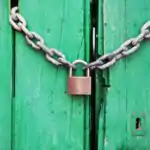
- Always locking doors and windows when leaving home.
- Being aware of surroundings and reporting suspicious activity to a trusted adult.
- Avoiding walking alone in dark or isolated areas.
- Keeping personal belongings secure and being cautious of strangers.
- Ensuring that your phone is charged and has available call credit.
- Informing family members of your movement.
Community Safety Measures
Community safety measures involve collective efforts to prevent crime.These include:
- Working with neighbors to watch out for each other.
- Participating in community safety programs.
- Reporting suspicious activity to authorities.
- Forming vigilante groups to patrol the community.
- Installing security cameras in strategic locations.
- Organizing community meetings to discuss safety concerns.
Teaching Methods
To deliver this lesson, the teacher will adopt the following methods: Discussion, Question and answer, Group work
instructional Procedures
To deliver this lesson, the teacher will adopt the following steps:
Step 1: Introduction
Time: 5 minutes
Teaching Skill: Set induction
Teacher’s Activity: Asks pupils to share their understanding of safety and introduces the topic of crime prevention.
Pupils’ Activity: Share their ideas and listen attentively.
Step 2: Clarification of Key Concepts
Time: 10 minutes
Teaching Skill: Explaining
Teacher’s Activity: Explains the meaning of preventive measures against crime and their importance.
Pupils’ Activity: Listen attentively and ask clarifying questions.
Step 3: Exhibition/Guided Practice
time: 10 minutes
Teaching Skill: Modeling
Teacher’s Activity: Provides examples of personal and community safety measures, using pictures or illustrations.
Pupils’ Activity: Participate in discussions and provide examples.
Step 4: Self-Reliant Practice
Time: 5 minutes
Teaching Skill: Monitoring
Teacher’s Activity: guides pupils in small groups to brainstorm additional preventive measures.
Pupils’ Activity: Work in groups to discuss and share ideas.
Step 5: Note-Taking
Time: 5 minutes
Teaching Skill: Summarizing
Teacher’s Activity: Summarizes key points on the board.
Pupils’ Activity: Take notes.
Step 6: Evaluation/Review
Time: 5 minutes
Teaching Skill: Questioning
Teacher’s Activity: Asks evaluation questions.
Pupils’ Activity: Answer the questions.
Objective-aligned checks:
- Identify and list two preventive measures against crime.
- Explain the importance of preventive measures in maintaining security.
- Demonstrate the ability to apply preventive measures in real-life scenarios.
Step 7: Conclusion
Time: 5 minutes
Teaching Skill: Summarizing
Teacher’s Activity: Reviews the key points and emphasizes the importance of practicing preventive measures for personal and community safety.Encourages pupils to continue learning about safety and security.
Pupils’ Activity: Listen attentively and ask questions for clarification.
Lesson Keywords
- Preventive Measures – Actions taken to reduce the likelihood of criminal activity.
- Personal Safety – Measures taken to protect oneself from harm.
- Community Safety – Collective efforts to prevent crime in a community.
- Suspicious Activity – Unusual or questionable behavior that may indicate a crime.
- Authorities – Government or law enforcement agencies responsible for maintaining order.
Lesson Evaluation
To evaluate the learning, the teacher asks pupils to:
- List three preventive measures you can take at home.
- How can you help make your school safer?
- What would you do if you saw someone trying to break into a car?
Assignment/Homework
- Research and list five additional community safety measures.
- Write a short paragraph on why preventive measures are crucial for personal safety.
- Discuss with your family members the safety measures you can implement at home.
Differentiation
- For slower learners: Provide one-on-one assistance and simplified explanations.
- For advanced learners: Challenge them to research additional preventive measures and present their findings to the class.
- For visual/auditory/kinesthetic learners: Use visual aids, discussions, and role-playing activities to cater to different learning styles.
Note for Teachers
ensure to use real-life examples and scenarios that are relevant to the pupils’ environment to make the lesson more engaging and relatable. Encourage active participation and create a safe space for pupils to share their thoughts and ideas.
Community Join the conversation Open discussion +