

Class: Primary Two
Term: First Term
Subject: National Values Education
Curriculum Theme: Security Education
Previous Lesson:
Topic: Source of Danger and Insecurity
Content/Learning Area: What is a fire outbreak?, Causes of Fire Outbreak, Uses of a fire extinguisher
Time Allocation: 40 minutes
Performance Objectives
By the end of the lesson, pupils should be able to:
- Cognitive Domain:
- Explain the meaning of a fire outbreak, it’s causes, and its effects.
- List two possible causes of a fire outbreak, explain how to avoid it, and what to do during an outbreak.
- List two uses of a fire extinguisher.
- affective Domain:
- Show concern for fire safety.
- Develop a sense of obligation towards fire prevention.
- Psychomotor Domain:
- Demonstrate the proper use of a fire extinguisher (simulation).
- Social Domain:
- Cooperate with others during fire drills.
Reference Materials
- 9 – years Basic education Curriculum
- Abuja Educational resource Center Scheme of work
- NAPPS National Unified Scheme of Work
- Online Details
- Relevant Textbooks
Instructional Materials
To deliver this lesson, the teacher will use the following materials:
- Whiteboard or chart
- Markers or chalk
- Pictures illustrating fire safety
- (Optional) A model fire extinguisher for demonstration
rationale for the Lesson
This lesson is crucial for teaching young learners about fire safety, a vital life skill. Understanding fire hazards and prevention methods empowers children to make safe choices and protect themselves and their communities.
Prerequisite/previous Knowledge
The teacher will begin by asking pupils if they have ever seen a fire. The teacher will than ask what they know about fire and its dangers, encouraging a brief class discussion to gauge prior knowledge and engage students in the topic.
lesson Content
what is a Fire Outbreak?
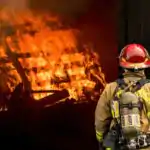
A fire outbreak is a sudden, uncontrolled fire that spreads quickly and causes damage. It’s notable to know about fire dangers and how to stop them.
Causes of Fire Outbreak
Fire outbreaks can occur due to various reasons, often stemming from negligence or accidents. The following are some causes of fire outbreak:
- Matches and lighters: These can easily start fires if not used carefully.
- Electrical problems: Faulty wiring, overloaded circuits, and broken appliances can cause fires.
- Candles and stoves: Leaving candles alone or using stoves without watching can cause fires.
- Carelessness: Leaving flammable things near heat or not putting out cigarettes properly can start fires.
- Playing with fire: Children should never play with matches, lighters, or anything that can cause fire.
- Improper storage of flammable materials: Storing petrol, kerosene, or gas cylinders improperly can lead to fire outbreaks.
- Arson: Deliberately setting fire to property is a criminal act and a cause of fire outbreaks.
Uses of a Fire Extinguisher
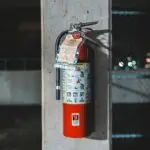
A fire extinguisher is a device used to put out small fires.These include:
- Putting out fires: Fire extinguishers stop flames and prevent them from spreading.
- Stopping fires easily: They help control a fire before it gets too big.
- Cooling burning materials: Some fire extinguishers contain substances that cool down burning materials,preventing reignition.
- Creating a barrier: Certain types of extinguishers create a barrier between the fuel and the oxygen, smothering the fire.
Teaching Methods
To deliver this lesson, the teacher will adopt the following methods: Discussion, Question and answer, demonstration (if possible)
instructional Procedures
To deliver this lesson, the teacher will adopt the following steps:
Step 1: Introduction (Set Induction)
Time: 5 minutes
Teaching Skill: Questioning, Discussion
Teacher’s Activity: Engage students with questions about fire, its dangers, and their prior knowledge.
Pupils’ Activity: Participate in the discussion, sharing their experiences and knowledge.
Step 2: Explanation of Key Concepts
Time: 10 minutes
Teaching Skill: Explanation, Definition
Teacher’s Activity: Define fire outbreak, explain its causes and effects using clear and simple language.
Pupils’ Activity: Listen attentively, ask clarifying questions.
Step 3: Demonstration/Guided Practice
Time: 10 minutes
Teaching skill: Demonstration, Guided Practice
Teacher’s Activity: If possible, demonstrate the use of a fire extinguisher (using a model or simulation). Guide pupils through fire prevention steps.
Pupils’ Activity: Observe the demonstration,participate in guided practice activities.
Step 4: Autonomous Practice
Time: 5 minutes
Teaching Skill: Independent Practice
Teacher’s Activity: Provide simple questions or activities for pupils to complete individually.
Pupils’ Activity: Complete the activities independently.
Step 5: Note-Taking
Time: 5 minutes
Teaching Skill: Note-Taking
Teacher’s Activity: Guide pupils in taking notes on key concepts.
Pupils’ Activity: Take notes on key concepts.
Step 6: Evaluation/Review
Time: 5 minutes
Teaching Skill: Questioning, Review
Teacher’s Activity: Review key concepts and answer any remaining questions.
Pupils’ Activity: Participate in the review, ask questions.
Objective-aligned checks:
- Explain the meaning of a fire outbreak, it’s causes, and its effects.
- List two possible causes of a fire outbreak, explain how to avoid it, and what to do during an outbreak.
- List two uses of a fire extinguisher.
Step 7: Conclusion
Time: 2 minutes
Teaching Skill: Summarizing, Encouragement
Teacher’s Activity: Summarize the key points about fire safety and encourage pupils to practice fire prevention measures at home and school.Praise the pupils for their active participation and understanding of the lesson.
Pupils’ Activity: Listen to the summary and commit to practicing fire prevention measures.
Lesson Keywords
- Fire Outbreak – A sudden, uncontrolled fire that spreads quickly and causes damage.
- fire Extinguisher – A device used to put out small fires by stopping flames and preventing them from spreading.
- Fire Safety – Measures taken to prevent fires and protect people and property in case of a fire.
- Flammable – Easily set on fire and capable of burning rapidly.
- Prevention – Taking action to stop something from happening.
Lesson Evaluation
To evaluate the learning, the teacher asks pupils to:
- What is a fire outbreak?
- Name two causes of a fire outbreak.
- How can you prevent a fire outbreak?
- What is a fire extinguisher used for?
- What should you do if there is a fire outbreak?
Assignment/Homework
- Draw a picture showing one way to prevent a fire outbreak at home.
- Ask your parents or guardians about fire safety measures in your home and write them down.
- List three things that should never be used or played with near a fire.
Differentiation
- For slower learners: Provide one-on-one support and simplified explanations. Use visual aids and real-life examples to reinforce understanding.
- For advanced learners: Encourage them to research additional fire safety data and share their findings with the class. Challenge them to create a fire safety poster or presentation.
- For visual/auditory/kinesthetic learners: Use pictures, videos, and demonstrations to cater to visual learners. Engage auditory learners through discussions and verbal explanations. Incorporate hands-on activities,such as simulating the use of a fire extinguisher,for kinesthetic learners.
Note for Teachers
Ensure to use real-life examples and visual aids to make the lesson engaging and relatable for the pupils. Emphasize the importance of fire safety and encourage pupils to share what they have learned with their families. If possible, invite a fire safety expert to give a talk to the class.

Community Join the conversation Open discussion +