

Class: Senior Secondary School 1 (SS1, SS 1, SSS1, SSS 1)
Term: 3rd Term
Week: 10
Age: 15 years
Duration: 45 minutes
Subject: Food and Nutrition
Curriculum Theme: Food and Nutrition
Previous Lesson: Fruits: Types, Value and Serving Methods.
Topic: Vegetables
Subject Matter: types of vegetables, nutritive value of vegetables, factors affecting choice of vegetables, cooking methods for vegetables, serving vegetables as salad, garnishing methods
Specific Objectives
By the end of the lesson, pupils should be able to:
Cognitive Domain:
- Define vegetables and classify them into different types.
- State the nutritive value of various vegetables.
- List factors affecting the choice of vegetables.
- Explain different cooking methods suitable for vegetables.
Affective Domain:
- Appreciate the importance of vegetables in a healthy diet.
- Develop an interest in incorporating vegetables into their meals.
- Value the aesthetic presentation of food through garnishing.
Psychomotor Domain:
- Demonstrate proper methods for cooking selected vegetables.
- Prepare and serve vegetables as a salad.
- Apply basic garnishing methods to food dishes.
Social Domain:
- Participate actively in class discussions and practical activities.
- Collaborate with peers during group work related to vegetable preparation.
Reference Materials
The following resources were used in planning this lesson:
- 9 Years Basic Education Curriculum for Senior Secondary Schools.
- State Unified Scheme of Work for Senior Secondary Schools.
- Food and Nutrition for Senior Secondary Schools by C.E. Okorie.
Instructional Materials
The teacher will teach this lesson with the aid of:
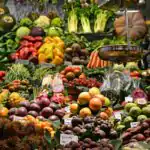
- Samples of various fresh vegetables (e.g., ugu, spinach, carrot, cabbage, tomato).
- Vegetable charts illustrating different types and their uses.
- Cooking utensils (pots, pans, cutting boards, knives).
- Bowls and serving plates for practical demonstration.
- Heat source (e.g., gas cooker, stove).
Rationale for the Lesson
This lesson helps pupils understand the importance of vegetables for health and well-being. It enables them to identify different types of vegetables, their nutritional benefits, and appropriate ways to prepare and serve them, encouraging healthy eating habits in their daily lives.
Prerequisite/Previous Knowledge
Pupils have prior knowledge of basic food groups and the general importance of a balanced diet.
Lesson Content/Board Summary
Vegetables
Definition of Vegetables
Vegetables are edible parts of plants, such as leaves, stems, roots, flowers, and fruits, that are consumed as food. They are an important part of a healthy diet.
Types of Vegetables
Vegetables can be classified based on the part of the plant consumed:
- Leafy Vegetables: Examples include spinach (tete), fluted pumpkin leaves (ugu), waterleaf, cabbage, lettuce.
- Root Vegetables: Examples include carrot, turnip, radish, beetroot.
- Stem Vegetables: Examples include celery, asparagus.
- Flower Vegetables: Examples include cauliflower, broccoli.
- Fruit Vegetables: Examples include tomato, cucumber, pumpkin, eggplant (garden egg).
- Pod/Seed Vegetables: Examples include green beans, peas, okra.
Nutritive Value of Vegetables
Vegetables are rich in various nutrients essential for health:
- Vitamins: Especially Vitamin A (carrots, leafy greens), Vitamin C (tomatoes, cabbage), and B vitamins.
- Minerals: Such as iron, calcium, potassium, and magnesium.
- Dietary Fibre: Helps in digestion and prevents constipation.
- Antioxidants: Protect the body cells from damage.
- Water: Contribute to hydration.
- Low in Calories: Help in weight management.
Factors Affecting Choice of Vegetables
The following factors influence the choice of vegetables:
- Availability: Seasonal and local availability.
- Cost: Price of vegetables.
- Nutritional Value: Specific nutrients required.
- Personal Preference: Taste and texture preferences.
- Intended Use: Whether for cooking, salad, or garnishing.
- Freshness and Quality: Appearance, crispness, and absence of spoilage.
Cooking Methods for Vegetables
Proper cooking methods help retain nutrients and enhance flavour:
- Boiling: Cooking in hot water (e.g., leafy greens).
- Steaming: Cooking with steam, which helps retain nutrients (e.g., broccoli, carrots).
- Stir-frying: Quick cooking in a small amount of oil (e.g., mixed vegetables).
- Sautéing: Frying quickly in a little fat (e.g., mushrooms).
- Baking/Roasting: Cooking in an oven (e.g., potatoes, carrots).
- Grilling: Cooking over direct heat (e.g., bell peppers, onions).
Serving Vegetables as Salad
Salads are uncooked or lightly cooked vegetables, often mixed with dressing. They are a good way to consume raw vegetables and get maximum nutrients.
Steps for preparing a simple vegetable salad:
- Wash and clean all vegetables thoroughly.
- Chop or slice vegetables into desired shapes.
- Combine in a clean bowl.
- Add a dressing (e.g., vinaigrette, mayonnaise-based) just before serving.
Garnishing Methods
Garnishing involves decorating food to make it visually appealing. It adds colour, texture, and often flavour to a dish.
Examples of garnishes and methods:
- Chopped Herbs: Parsley, coriander sprinkled over dishes.
- Vegetable Carvings: Carrots, cucumbers, or tomatoes carved into flowers or shapes.
- Lemon/Lime Wedges: Served with seafood or fried dishes.
- Julienned Vegetables: Thin strips of carrots or bell peppers.
- Edible Flowers: For special presentations.
Teaching Methods/Instructional Techniques
Discussion, Lecture, Demonstration, Question and Answer, Visual Aids
Instructional Procedures
Step 1: Introduction
Time: 5 minutes
Teaching Skill: Set Induction
Teacher’s Activity: The teacher greets the pupils, reviews the previous lesson briefly, and then displays various fresh vegetables (e.g., spinach, carrots, tomatoes). The teacher asks pupils to identify them and state what they know about vegetables.
Pupils’ Activity: Pupils respond to the greetings, recall points from the previous lesson, identify the displayed vegetables, and share their knowledge.
Learning Point: Pupils are introduced to the topic and connect with prior knowledge about vegetables.
Step 2: Definition and Types of Vegetables
Time: 10 minutes
Teaching Skill: Explanation/Classification
Teacher’s Activity: The teacher defines vegetables and uses the displayed samples and vegetable charts to explain the different types of vegetables based on the part of the plant consumed (leafy, root, stem, flower, fruit, pod/seed). The teacher encourages pupils to give more examples.
Pupils’ Activity: Pupils listen attentively, take notes, and contribute by giving examples of vegetables for each type.
Learning Point: Pupils understand the definition and classification of vegetables.
Step 3: Nutritive Value of Vegetables
Time: 7 minutes
Teaching Skill: Elucidation/Information Giving
Teacher’s Activity: The teacher explains the nutritive value of vegetables, highlighting key nutrients like vitamins, minerals, fibre, and antioxidants. The teacher emphasizes the health benefits of consuming vegetables regularly.
Pupils’ Activity: Pupils listen, ask questions for clarity, and note down the important nutrients and their benefits.
Learning Point: Pupils learn about the essential nutrients found in vegetables and their importance.
Step 4: Factors Affecting Choice of Vegetables
Time: 5 minutes
Teaching Skill: Discussion/Brainstorming
Teacher’s Activity: The teacher leads a discussion on various factors that influence the choice of vegetables, such as availability, cost, nutritional value, personal preference, and freshness. The teacher encourages pupils to share their experiences.
Pupils’ Activity: Pupils actively participate in the discussion, sharing their opinions and experiences regarding vegetable choices.
Learning Point: Pupils identify the practical considerations when choosing vegetables.
Step 5: Cooking Methods for Vegetables
Time: 5 minutes
Teaching Skill: Demonstration/Explanation
Teacher’s Activity: The teacher explains and briefly demonstrates (or describes vividly for time constraints) different cooking methods for vegetables, such as boiling, steaming, stir-frying, and baking. The teacher emphasizes methods that preserve nutrients.
Pupils’ Activity: Pupils observe the demonstration or listen to the explanations, noting the different methods and their benefits.
Learning Point: Pupils understand various ways to cook vegetables and the importance of nutrient retention.
Step 6: Serving Vegetables as Salad and Garnishing Methods
Time: 3 minutes
Teaching Skill: Demonstration/Illustration
Teacher’s Activity: The teacher quickly demonstrates how to prepare a simple vegetable salad and introduces different garnishing methods using available materials. The teacher highlights the importance of presentation.
Pupils’ Activity: Pupils observe the demonstration on salad preparation and garnishing techniques.
Learning Point: Pupils learn about serving vegetables as salads and enhancing food presentation.
Step 7: Evaluation/Review
Time: 5 minutes
Teaching Skill: Questioning/Assessment
Teacher’s Activity: The teacher evaluates the learning by asking the following questions:
- Define vegetables.
- Mention three types of vegetables with examples.
- List two nutrients found in vegetables.
- State two factors that affect the choice of vegetables.
- Enumerate two cooking methods suitable for vegetables.
Pupils’ Activity: Pupils answer orally and in writing.
Learning Point: Pupils demonstrate understanding of the lesson.
Step 8: Conclusion
Time: 5 minutes
Teaching Skill: Summarization/Assignment
Teacher’s Activity: The teacher summarizes the key points of the lesson, reiterating the importance of vegetables for a healthy diet. The teacher assigns homework: “Pupils should research and write down three traditional Nigerian vegetable dishes and their main ingredients.”
Pupils’ Activity: Pupils listen to the summary and copy down the homework assignment.
Learning Point: Pupils consolidate their learning and are given an opportunity for further research.
Lesson Keywords
- Vegetables – Edible parts of plants consumed as food.
- Nutritive Value – The content of essential nutrients (vitamins, minerals, fibre) in food.
- Salad – A cold dish of various raw or cooked vegetables, often mixed with a dressing.
- Garnishing – Decorating food to make it more attractive.
- Leafy Vegetables – Vegetables where the leaves are eaten, e.g., spinach.
- Root Vegetables – Vegetables where the root is eaten, e.g., carrot.
Differentiation
The lesson will cater to diverse learners by using visual aids (vegetable charts, actual samples) for visual learners, discussions and explanations for auditory learners, and practical demonstrations for kinesthetic learners. Group activities during practical sessions will allow stronger pupils to assist those who need more support.
Note for teachers using this lesson plan
Teachers should ensure that fresh and hygienic vegetable samples are used for demonstrations. Emphasize food safety practices during any practical cooking or preparation activities. Encourage pupils to bring in examples of vegetables from home to enhance engagement. The practical demonstration of cooking methods can be adapted based on available time and resources, possibly focusing on one or two methods in detail.


Community Join the conversation Open discussion +