

Class: Senior Secondary School 1 (SS1, SS 1, SSS1, SSS 1)
Term: First Term
Week: 8
Age: 15 years
Duration: 45 minutes
Subject: Food and Nutrition
Curriculum Theme: Food and Nutrition
Previous Lesson: Classes of food nutrients.
Topic: Protein
Subject Matter: types of protein, sources of protein, functions of protein, digestion and absorption of protein, metabolism of protein, dietary deficiency of protein
Specific Objectives
By the end of the lesson, pupils should be able to:
Cognitive Domain:
- Define protein.
- Classify the types of protein.
- List various sources of protein.
- State the functions of protein in the body.
- Describe the digestion and absorption processes of protein.
- Explain the metabolism of protein.
- Identify diseases caused by protein deficiency.
Affective Domain:
- Appreciate the importance of consuming protein-rich foods for growth and repair.
- Show interest in identifying and including protein in their daily meals.
- Participate actively in discussions about healthy eating habits.
Psychomotor Domain:
- Identify samples of protein foods.
- Draw or label a simple diagram illustrating protein digestion.
Social Domain:
- Discuss with peers the role of protein in maintaining good health.
- Share knowledge on how to source affordable protein-rich foods.
Reference Materials
The following resources were used in planning this lesson:
- 9 Years Basic Education Curriculum for Food and Nutrition.
- State Unified Scheme of Work for Senior Secondary Schools.
- Anyanwu, A. C. (2018). Food and Nutrition for Senior Secondary Schools. Learn Africa Plc.
- https://www.nutrition.gov
Instructional Materials
The teacher will teach this lesson with the aid of:
- Samples of protein foods (e.g., beans, groundnuts, eggs, fish, milk).
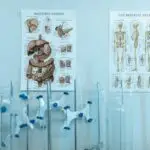
- Charts showing different classes of food and their functions.
- Whiteboard and markers.
- Textbooks and relevant handouts.
Rationale for the Lesson
This lesson helps pupils understand protein, an important nutrient for their growth and body repair. Knowing about protein sources and functions enables them to make healthy food choices, preventing deficiency diseases and promoting overall well-being in their daily lives.
Prerequisite/Previous Knowledge
Pupils are expected to have a basic understanding of food classes and their general importance to the body from their Junior Secondary School Food and Nutrition lessons.
Lesson Content/Board Summary
Protein
Definition of Protein
Protein is an organic compound made up of smaller units called amino acids. It is an essential macronutrient required for the building and repair of body tissues, as well as for making enzymes, hormones, and other body chemicals.
Types of Protein
Proteins can be classified based on their amino acid content:
- Complete Proteins: These contain all the essential amino acids the body needs. They are mostly found in animal sources.
- Incomplete Proteins: These lack one or more essential amino acids. They are primarily found in plant sources.
- Complementary Proteins: Two or more incomplete protein sources that, when eaten together, provide all the essential amino acids.
Sources of Protein
Protein can be obtained from both animal and plant sources:
- Animal Sources: Meat (beef, chicken, lamb), fish, eggs, milk, cheese, yoghurt.
- Plant Sources: Legumes (beans, lentils, groundnuts), nuts (cashews, almonds), seeds (sunflower, pumpkin), grains (quinoa, oats), soy products (tofu, tempeh).
Functions of Protein
Protein performs several vital functions in the body:
- Growth and Repair: It is essential for the growth of new tissues and the repair of damaged ones.
- Enzyme and Hormone Production: Proteins form enzymes that facilitate biochemical reactions and hormones that regulate body processes.
- Antibody Formation: They produce antibodies that help fight infections and strengthen the immune system.
- Fluid Balance: Proteins help regulate the balance of fluids in the body.
- Transport of Nutrients: They transport nutrients, oxygen, and other substances throughout the body.
- Energy Source: Although not its primary function, protein can be used as an energy source when carbohydrates and fats are insufficient.
Digestion and Absorption of Protein
The process of protein digestion and absorption involves several steps:
- Mouth: Mechanical breakdown (chewing) occurs, but no chemical digestion of protein.
- Stomach: Hydrochloric acid denatures proteins, and the enzyme pepsin breaks them down into smaller polypeptides.
- Small Intestine: Pancreatic enzymes (e.g., trypsin, chymotrypsin) further break down polypeptides into smaller peptides and amino acids. Enzymes on the intestinal wall complete the breakdown into individual amino acids.
- Absorption: Amino acids are absorbed through the walls of the small intestine into the bloodstream and transported to the liver and other body cells.
Metabolism of Protein
Protein metabolism involves the synthesis and breakdown of amino acids:
- Protein Synthesis: Amino acids are used to build new proteins required by the body (e.g., muscle protein, enzymes).
- Amino Acid Breakdown: Excess amino acids or those not needed for protein synthesis are broken down. The nitrogen-containing amino group is removed (deamination) and converted to urea, which is excreted by the kidneys. The remaining carbon skeleton can be used for energy or converted to glucose or fat.
Dietary Deficiency of Protein
Insufficient protein intake can lead to serious health problems:
- Kwashiorkor: This condition results from severe protein deficiency, often with adequate calorie intake. Signs include swollen abdomen and limbs (edema), skin lesions, hair changes, and impaired growth.
- Marasmus: This is caused by severe deficiency of both protein and calories. Signs include extreme wasting of muscles and fat, severe growth retardation, and a very thin, emaciated appearance.
- Stunted Growth: Chronic protein deficiency in children can lead to reduced height for their age.
- Weakened Immune System: Lack of protein can impair the body’s ability to produce antibodies, making individuals more susceptible to infections.
Teaching Methods/Instructional Techniques
Discussion, Lecture, Demonstration, Question and Answer, Visual Aids
Instructional Procedures
Step 1: Introduction
Time: 5 minutes
Teaching Skill: Set Induction
Teacher’s Activity: The teacher greets the pupils and asks them to recall the classes of food they learned in JSS. The teacher then specifically asks what they remember about protein.
Pupils’ Activity: Pupils respond to the greetings and orally state the classes of food. Some pupils share their prior knowledge about protein.
Learning Point: Pupils recall previous knowledge and are introduced to the lesson topic.
Step 2: Presentation of Definition and Types of Protein
Time: 7 minutes
Teaching Skill: Explanation/Lecture
Teacher’s Activity: The teacher defines protein and explains its composition. The teacher then explains and lists the types of protein (complete, incomplete, complementary), giving examples for each.
Pupils’ Activity: Pupils listen attentively, take notes, and ask questions for clarification.
Learning Point: Pupils understand the definition and classification of protein.
Step 3: Discussion of Sources of Protein
Time: 7 minutes
Teaching Skill: Demonstration/Discussion
Teacher’s Activity: The teacher displays samples of protein foods and charts. The teacher leads a discussion on various animal and plant sources of protein, encouraging pupils to identify the samples shown.
Pupils’ Activity: Pupils identify protein foods, contribute to the discussion by naming other sources, and note down key examples.
Learning Point: Pupils can identify and list different sources of protein.
Step 4: Explanation of Functions of Protein
Time: 7 minutes
Teaching Skill: Explanation/Questioning
Teacher’s Activity: The teacher explains the various functions of protein in the body using the charts. The teacher asks pupils to state some functions they already know.
Pupils’ Activity: Pupils listen, answer questions, and list the functions of protein.
Learning Point: Pupils understand the importance of protein for body functions.
Step 5: Elaboration on Digestion, Absorption, and Metabolism of Protein
Time: 7 minutes
Teaching Skill: Explanation/Illustration
Teacher’s Activity: The teacher explains the processes of protein digestion in the mouth, stomach, and small intestine. The teacher also describes how amino acids are absorbed and a brief overview of protein metabolism.
Pupils’ Activity: Pupils listen, take notes, and ask questions regarding the processes.
Learning Point: Pupils gain knowledge of how protein is processed in the body.
Step 6: Discussion of Dietary Deficiency of Protein
Time: 5 minutes
Teaching Skill: Explanation/Problem-solving
Teacher’s Activity: The teacher explains the consequences of protein deficiency, describing conditions like Kwashiorkor and Marasmus and their symptoms. The teacher emphasizes the importance of balanced diets.
Pupils’ Activity: Pupils listen, identify the signs of protein deficiency, and understand the need for adequate protein intake.
Learning Point: Pupils learn about the health implications of protein deficiency.
Step 7: Evaluation/Review
Time: 5 minutes
Teaching Skill: Questioning/Assessment
Teacher’s Activity: The teacher evaluates the learning by asking the following questions:
- Define protein.
- List three types of protein.
- Mention four sources of protein.
- State two functions of protein in the body.
- Explain briefly how protein is digested in the stomach.
- Name two diseases caused by protein deficiency.
Pupils’ Activity: Pupils answer orally and in writing.
Learning Point: Pupils demonstrate understanding of the lesson.
Step 8: Conclusion
Time: 2 minutes
Teaching Skill: Summarization
Teacher’s Activity: The teacher summarizes the key points of the lesson, reiterating the importance of protein for growth, repair, and overall health. The teacher gives pupils homework to research local, affordable sources of protein in their community.
Pupils’ Activity: Pupils listen to the summary and copy down the homework.
Learning Point: Pupils consolidate their learning and apply it to their daily lives.
Lesson Keywords
- Protein – Large biomolecules made of amino acids, essential for body structure and function.
- Amino Acids – The building blocks of protein.
- Complete Protein – Contains all essential amino acids (e.g., egg, meat).
- Incomplete Protein – Lacks one or more essential amino acids (e.g., beans, groundnuts).
- Digestion – The process of breaking down food into smaller molecules.
- Absorption – The process by which digested nutrients enter the bloodstream.
- Metabolism – Chemical processes that occur in the body to maintain life.
- Kwashiorkor – Protein deficiency disease characterized by edema.
- Marasmus – Severe calorie and protein deficiency leading to extreme wasting.
Differentiation
For visual learners, the teacher will use charts and real food samples extensively. For pupils who grasp concepts quickly, they will be encouraged to research and present additional information on protein supplements. For pupils needing more support, the teacher will provide simplified notes and extra one-on-one explanations during class activities.
Note for teachers using this lesson plan
Teachers should ensure they have all the instructional materials ready before the lesson. Encourage pupil participation and real-life examples from their local context when discussing protein sources and deficiency symptoms. Emphasize the importance of combining incomplete proteins to form a complete protein, especially for those with limited access to animal protein.

Community Join the conversation Open discussion +