

Class: Senior Secondary School 1 (SS1, SS 1, SSS1, SSS 1)
Term: 2nd Term
Week: 5
Age: 15 years
Duration: 45 minutes
Subject: Food and Nutrition
Curriculum Theme: Food and Nutrition
Previous Lesson: Reproductive Health: Nutrition Link and Deficiency Diseases.
Topic: Dietary Deficiency Diseases
Subject Matter: Signs of dietary deficiency diseases, symptoms of dietary deficiency diseases, causes of dietary deficiency diseases, basic prevention and care.
Specific Objectives
By the end of the lesson, pupils should be able to:
Cognitive Domain:
- Define dietary deficiency diseases.
- Identify the signs and symptoms of common dietary deficiency diseases.
- List the causes of various dietary deficiency diseases.
- Explain basic methods of prevention and care for dietary deficiency diseases.
Affective Domain:
- Appreciate the importance of a balanced diet for preventing deficiency diseases.
- Show concern for individuals suffering from dietary deficiencies.
Psychomotor Domain:
- Describe pictures of individuals affected by dietary deficiency diseases.
- Take accurate notes on the signs, symptoms, causes, prevention, and care of these diseases.
Social Domain:
- Discuss with peers the importance of healthy eating habits.
- Share knowledge on how to prevent dietary deficiency diseases in their communities.
Reference Materials
The following resources were used in planning this lesson:
- 9 Years Basic Education Curriculum for Senior Secondary Schools.
- State Unified Scheme of Work for Food and Nutrition, SSS 1.
- Food and Nutrition for Senior Secondary Schools by Olusanya A.
Instructional Materials
The teacher will teach this lesson with the aid of:
- Pictures of persons suffering from Kwashiorkor.
- Pictures of persons suffering from Marasmus.
- Pictures of obese persons.
- Charts showing different food groups and their nutrients.
- Whiteboard/blackboard and markers/chalk.
Rationale for the Lesson
This lesson helps pupils understand the health problems that can arise from poor eating habits and lack of essential nutrients. It enables them to identify signs of deficiency diseases and learn how to prevent and manage them, promoting better health choices in their daily lives.
Prerequisite/Previous Knowledge
Pupils have prior knowledge of food classes, their functions, and the importance of a balanced diet from previous lessons.
Lesson Content/Board Summary
Dietary Deficiency Diseases
Definition of Dietary Deficiency Diseases
Dietary deficiency diseases are conditions that result from a lack of essential nutrients in the diet over an extended period. These nutrients include vitamins, minerals, proteins, and calories.
Signs and Symptoms of Dietary Deficiency Diseases
The following are common signs and symptoms of dietary deficiency diseases:
- Kwashiorkor: Swelling (oedema) of the feet, hands, and face; distended abdomen; thin limbs; reddish or sparse hair; skin lesions; apathy.
- Marasmus: Severe wasting of muscles and fat; severe underweight; wrinkled skin, giving an “old man’s face” appearance; growth retardation.
- Obesity: Excessive accumulation of body fat, high body mass index (BMI), shortness of breath, joint pain, fatigue.
- Anemia: Pale skin, fatigue, weakness, shortness of breath, dizziness, cold hands and feet.
- Goitre: Swelling in the neck due to an enlarged thyroid gland; difficulty swallowing or breathing.
- Rickets (in children) / Osteomalacia (in adults): Softening and weakening of bones, leading to bowed legs, stunted growth, bone pain, and muscle weakness.
- Scurvy: Bleeding gums, easy bruising, poor wound healing, fatigue, joint pain, small red spots on the skin.
- Beriberi: Weakness, nerve damage (tingling, numbness), heart problems, difficulty walking, muscle paralysis.
- Pellagra: Characterized by “the 4 Ds”: Diarrhoea, Dermatitis (skin rash), Dementia (mental confusion), and Death (if untreated).
Causes of Dietary Deficiency Diseases
The following are common causes of dietary deficiency diseases:
- Inadequate intake of nutrient-rich foods due to poverty or food scarcity.
- Poor absorption of nutrients due to certain medical conditions or intestinal infections.
- Increased nutrient requirements (e.g., during pregnancy, lactation, or rapid growth) not met by the diet.
- Unhealthy eating habits and reliance on processed foods that lack essential nutrients.
- Cultural or traditional food practices that exclude important food groups.
- Lack of knowledge about proper nutrition and balanced diets.
Prevention and Care of Dietary Deficiency Diseases
The following are basic ways to prevent and care for dietary deficiency diseases:
- Balanced Diet: Consume a variety of foods from all food groups daily to ensure adequate nutrient intake.
- Fortified Foods: Include foods enriched with essential vitamins and minerals, such as iodized salt or vitamin A-fortified flour.
- Supplementation: Take nutrient supplements when dietary intake is insufficient, under medical advice.
- Hygiene: Practice good personal and food hygiene to prevent infections that can impair nutrient absorption.
- Education: Learn about proper nutrition and healthy eating practices to make informed food choices.
- Medical Intervention: Seek medical attention for early diagnosis and appropriate treatment of specific deficiencies.
- Food Security: Promote access to affordable and nutritious food for all individuals and families.
Teaching Methods/Instructional Techniques
Discussion, Lecture, Demonstration, Question and Answer, Visual Aids
Instructional Procedures
Step 1: Introduction
Time: 5 minutes
Teaching Skill: Set Induction
Teacher’s Activity: The teacher greets the pupils and asks them to recall the importance of a balanced diet. The teacher then introduces the topic, “Dietary Deficiency Diseases,” by asking pupils if they know what happens when someone does not eat enough of certain foods.
Pupils’ Activity: Pupils respond to the teacher’s questions, recalling previous knowledge and attempting to answer the introductory question.
Learning Point: Pupils are engaged and link previous knowledge to the new topic.
Step 2: Definition of Dietary Deficiency Diseases
Time: 7 minutes
Teaching Skill: Explanation/Definition
Teacher’s Activity: The teacher explains what dietary deficiency diseases are, emphasizing that they result from a prolonged lack of essential nutrients. The teacher writes the definition on the board.
Pupils’ Activity: Pupils listen attentively, ask questions for clarity, and write down the definition in their notes.
Learning Point: Pupils understand and can define dietary deficiency diseases.
Step 3: Signs and Symptoms of Dietary Deficiency Diseases
Time: 8 minutes
Teaching Skill: Demonstration/Illustration
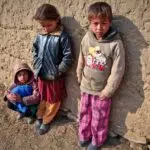
Teacher’s Activity: The teacher displays pictures of individuals suffering from Kwashiorkor, Marasmus, and obesity. The teacher guides pupils to describe what they see and then explains the specific signs and symptoms of these and other common deficiency diseases (e.g., anemia, goitre, rickets, scurvy, beriberi, pellagra).
Pupils’ Activity: Pupils observe the pictures, describe them, and take notes on the various signs and symptoms discussed by the teacher.
Learning Point: Pupils can identify and describe the signs and symptoms of common dietary deficiency diseases.
Step 4: Causes of Dietary Deficiency Diseases
Time: 7 minutes
Teaching Skill: Explanation/Discussion
Teacher’s Activity: The teacher leads a discussion on the various causes of dietary deficiency diseases, including inadequate food intake, poor absorption, increased nutrient needs, poverty, and unhealthy eating habits. The teacher lists these causes on the board.
Pupils’ Activity: Pupils contribute to the discussion, ask questions, and write down the causes in their notes.
Learning Point: Pupils understand the factors that lead to dietary deficiency diseases.
Step 5: Prevention and Care of Dietary Deficiency Diseases
Time: 8 minutes
Teaching Skill: Explanation/Practical Application
Teacher’s Activity: The teacher discusses practical ways to prevent dietary deficiency diseases, such as eating a balanced diet, consuming fortified foods, and seeking medical advice for supplementation. The teacher also explains basic care strategies.
Pupils’ Activity: Pupils listen, ask questions, and note down the prevention and care methods. They may share their own ideas on prevention.
Learning Point: Pupils learn about practical steps for preventing and caring for dietary deficiency diseases.
Step 6: Class Activity/Discussion
Time: 5 minutes
Teaching Skill: Group Work/Collaboration
Teacher’s Activity: The teacher divides the class into small groups and asks them to discuss how they can promote healthy eating habits in their homes and communities to prevent deficiency diseases.
Pupils’ Activity: Pupils discuss in their groups and present their ideas to the class.
Learning Point: Pupils apply their knowledge and develop social skills by discussing real-world applications.
Step 7: Evaluation/Review
Time: 5 minutes
Teaching Skill: Questioning/Assessment
Teacher’s Activity: The teacher evaluates the learning by asking the following questions:
- Define dietary deficiency diseases.
- Mention three signs and symptoms of Kwashiorkor.
- List three causes of dietary deficiency diseases.
- State two ways to prevent dietary deficiency diseases.
Pupils’ Activity: Pupils answer orally and in writing.
Learning Point: Pupils demonstrate understanding of the lesson.
Step 8: Conclusion
Time: 2 minutes
Teacher’s Activity: The teacher summarizes the key points of the lesson, reiterating the importance of a balanced diet. The teacher assigns homework: “Research one dietary deficiency disease not discussed in class and write a short note on its signs, symptoms, and prevention.”
Pupils’ Activity: Pupils listen to the summary and copy the homework assignment.
Learning Point: The lesson is concluded, and pupils are given an opportunity for further learning.
Lesson Keywords
- Deficiency Diseases – Illnesses caused by a lack of essential nutrients.
- Kwashiorkor – A severe form of malnutrition caused by protein deficiency.
- Marasmus – A severe form of malnutrition caused by overall calorie and protein deficiency.
- Obesity – A condition of excessive body fat accumulation that may impair health.
- Anemia – A condition in which the blood lacks healthy red blood cells, often due to iron deficiency.
- Goitre – An enlargement of the thyroid gland, often caused by iodine deficiency.
Differentiation
For pupils who grasp concepts quickly, the teacher can encourage them to research specific micronutrient deficiencies and their effects. For pupils who need more support, the teacher will provide simplified explanations, use more visual aids, and pair them with stronger pupils for peer support during activities.
Note for teachers using this lesson plan
Encourage pupils to bring examples of food items rich in different nutrients to the next class for a practical demonstration. Emphasize the importance of local and affordable food sources for preventing dietary deficiencies.


Community Join the conversation Open discussion +