

Class: Senior Secondary School 1 (SS1, SS 1, SSS1, SSS 1)
Term: Second Term
Week: 4
Age: 15 years
Duration: 45 minutes
Subject: Food and Nutrition
Curriculum Theme: Food and Nutrition
Previous Lesson: Reproductive Health: Meaning and Human Organs.
Topic: Reproductive Health Cont.
Subject Matter: Relationship between nutrition and reproductive health, dietary deficiency diseases including kwashiorkor, obesity, and marasmus.
Specific Objectives
By the end of the lesson, pupils should be able to:
Cognitive Domain:
- Explain the relationship between nutrition and reproductive health.
- Define dietary deficiency diseases.
- List three examples of dietary deficiency diseases.
- Describe the causes and symptoms of kwashiorkor, marasmus, and obesity.
Affective Domain:
- Appreciate the importance of a balanced diet for reproductive health.
- Recognize the signs of dietary deficiency diseases in individuals.
- Show concern for people suffering from malnutrition.
Psychomotor Domain:
- Identify foods that enhance reproductive health on a chart.
- Suggest dietary changes to prevent or manage kwashiorkor, marasmus, and obesity.
Social Domain:
- Promote healthy eating habits within their communities.
- Encourage peer discussion on the prevention of malnutrition.
Reference Materials
The following resources were used in planning this lesson:
- 9 Years Basic Education Curriculum for Senior Secondary Schools.
- State Unified Scheme of Work for Food and Nutrition, SSS 1.
- Food and Nutrition for Senior Secondary Schools by Olusanya, A.D.
Instructional Materials
The teacher will teach this lesson with the aid of:
- Charts showing foods that enhance reproductive health.
- Pictures illustrating malnutrition (kwashiorkor, marasmus) and obesity.
- Whiteboard and markers/chalk.
Rationale for the Lesson
This lesson helps pupils understand how the food they eat affects their reproductive health. It also enables them to identify common dietary deficiency diseases and how to prevent them. Understanding these concepts is important for making informed food choices for personal well-being.
Prerequisite/Previous Knowledge
Pupils have a basic understanding of food classes, balanced diet, and general health concepts.
Lesson Content/Board Summary
Reproductive Health and Nutrition
Relationship Between Nutrition and Reproductive Health
Good nutrition is important for optimal reproductive health in both males and females. It influences hormone production, fertility, the health of a developing fetus during pregnancy, and overall reproductive organ function.
The following are ways nutrition influences reproductive health:
- It supports healthy hormone balance.
- It enhances fertility and the ability to conceive.
- It ensures proper fetal development and reduces risks during pregnancy.
- It maintains energy levels and general well-being for reproductive processes.
Dietary Deficiency Diseases
Dietary deficiency diseases are conditions that result from a lack of essential nutrients (vitamins, minerals, proteins, carbohydrates) in the diet over an extended period. These deficiencies can lead to various health problems.
Examples of dietary deficiency diseases include:
- Kwashiorkor
- Marasmus
- Obesity (a disease of overnutrition, but still a dietary imbalance)
Kwashiorkor
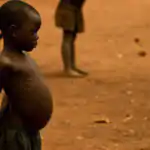
Kwashiorkor is a severe form of protein-energy malnutrition, primarily caused by a diet that is severely deficient in protein, even if calorie intake might be sufficient.
Causes:
- Insufficient protein intake.
- Early weaning of infants without adequate protein-rich alternatives.
- Infections that increase nutrient needs or reduce appetite.
Symptoms:
- Swelling (edema), especially in the legs, feet, and face.
- Distended abdomen (pot belly).
- Failure to grow and gain weight.
- Changes in hair colour (reddish or sparse hair).
- Skin rashes and peeling.
- Irritability and lethargy.
Marasmus
Marasmus is another severe form of protein-energy malnutrition, characterized by a severe deficiency of both calories and protein, leading to extreme wasting of body fat and muscle.
Causes:
- Severe lack of overall food intake (calories and protein).
- Poverty and food insecurity.
- Chronic illnesses that affect nutrient absorption.
Symptoms:
- Severe wasting of muscle and fat, making the child appear extremely thin and bony.
- Stunted growth.
- Dry, loose skin that hangs in folds.
- Chronic diarrhea.
- Weakness and fatigue.
- Increased susceptibility to infections.
Obesity
Obesity is a condition characterized by excessive accumulation of body fat to the extent that it may have a negative effect on health. While often associated with overconsumption, it is still a dietary imbalance.
Causes:
- Consistent intake of more calories than expended.
- Diets high in processed foods, sugary drinks, and unhealthy fats.
- Lack of physical activity.
- Genetic predisposition.
- Hormonal imbalances.
Health Risks/Effects:
- Increased risk of heart disease and stroke.
- Type 2 diabetes.
- High blood pressure.
- Certain types of cancer.
- Joint problems and reduced mobility.
- Sleep apnea.
Teaching Methods/Instructional Techniques
Discussion, Lecture, Demonstration, Question and Answer, Visual Aids
Instructional Procedures
Step 1: Introduction
Time: 5 minutes
Teaching Skill: Set Induction
Teacher’s Activity: The teacher greets the pupils and reviews the previous lesson briefly. The teacher then asks pupils to name some foods they ate before coming to school and asks them to state the importance of eating well. The teacher introduces the topic by linking healthy eating to overall body functions, including reproductive health.
Pupils’ Activity: Pupils respond to the teacher’s questions and listen attentively.
Learning Point: Pupils are reminded of the importance of food and are introduced to the lesson’s topic.
Step 2: Explanation of Nutrition and Reproductive Health
Time: 10 minutes
Teaching Skill: Explanation/Discussion
Teacher’s Activity: The teacher explains the relationship between nutrition and reproductive health, emphasizing how a balanced diet supports hormone production, fertility, and healthy pregnancy outcomes. The teacher uses the chart showing foods that enhance reproductive health.
Pupils’ Activity: Pupils listen, ask questions, and point at relevant foods on the chart.
Learning Point: Pupils understand that good nutrition is vital for reproductive health.
Step 3: Discussion of Kwashiorkor
Time: 7 minutes
Teaching Skill: Explanation/Visual Aids
Teacher’s Activity: The teacher defines kwashiorkor, explains its causes (protein deficiency), and describes its symptoms using pictures of affected children. The teacher also discusses preventive measures.
Pupils’ Activity: Pupils observe the pictures, listen to the explanation, and take notes.
Learning Point: Pupils learn about kwashiorkor, its causes, and symptoms.
Step 4: Discussion of Marasmus
Time: 7 minutes
Teaching Skill: Explanation/Comparison
Teacher’s Activity: The teacher defines marasmus, explains its causes (severe calorie and protein deficiency), and describes its symptoms, comparing it with kwashiorkor using visual aids. The teacher also highlights preventive strategies.
Pupils’ Activity: Pupils compare and contrast kwashiorkor and marasmus, taking notes.
Learning Point: Pupils understand marasmus, its causes, and symptoms, differentiating it from kwashiorkor.
Step 5: Discussion of Obesity
Time: 6 minutes
Teaching Skill: Explanation/Real-life examples
Teacher’s Activity: The teacher defines obesity as a dietary imbalance, explains its causes (excess calorie intake, poor diet, inactivity), and discusses its health risks. The teacher encourages pupils to mention common unhealthy eating habits.
Pupils’ Activity: Pupils contribute examples of unhealthy eating habits and listen to the health risks.
Learning Point: Pupils learn about obesity, its causes, and associated health problems.
Step 6: Evaluation/Review
Time: 5 minutes
Teaching Skill: Questioning/Assessment
Teacher’s Activity: The teacher evaluates the learning by asking the following questions:
- Explain the relationship between good nutrition and reproductive health.
- Define dietary deficiency diseases and mention three examples.
- State two causes and two symptoms of Kwashiorkor.
- Describe two differences between Kwashiorkor and Marasmus.
- List three health risks associated with obesity.
Pupils’ Activity: Pupils answer orally and in writing.
Learning Point: Pupils demonstrate understanding of the lesson.
Step 8: Conclusion
Time: 5 minutes
Teaching Skill: Summarization/Homework Assignment
Teacher’s Activity: The teacher summarizes the key points of the lesson, reiterating the importance of a balanced diet for overall health and reproductive well-being. The teacher assigns homework: “Research and list five local foods rich in protein that can help prevent kwashiorkor and marasmus.”
Pupils’ Activity: Pupils listen to the summary and copy the homework.
Learning Point: Pupils consolidate their learning and are given an activity to reinforce knowledge.
Lesson Keywords
- Reproductive Health – The state of complete physical, mental, and social well-being in all matters relating to the reproductive system.
- Nutrition – The process of providing or obtaining the food necessary for health and growth.
- Dietary Deficiency Diseases – Illnesses caused by a lack of essential nutrients in the diet.
- Kwashiorkor – A severe form of protein malnutrition, often characterized by edema and a distended abdomen.
- Marasmus – A severe form of protein-energy malnutrition, characterized by extreme wasting of body fat and muscle.
- Obesity – A condition of excessive body fat accumulation that can impair health.
Differentiation
The teacher will provide additional support to pupils who are struggling by offering simplified explanations and visual aids. Advanced pupils will be encouraged to research further on specific dietary recommendations for reproductive health or complex cases of malnutrition.
Note for teachers using this lesson plan
Teachers should ensure to use engaging visual aids and encourage active participation through discussions and real-life examples to make the lesson relatable. Emphasize the practical application of nutritional knowledge in preventing these diseases.



Community Join the conversation Open discussion +