

Class: Junior Secondary School 3 (JSS 3 / JS3)
Term: 3rd Term
Week: 9
Age: 14 years
Duration: 45 minutes
Subject: Basic Science and Technology
Curriculum Theme: Basic Technology
Previous Lesson: Forms of Data Base: Flat File.
Topic: EXAMPLES AND IMPORTANCE OF RECREATION
Subject Matter: Importance of Recreation
Specific Objectives
By the end of the lesson, pupils should be able to:
Cognitive Domain:
- Define recreation.
- Identify various examples of recreational activities.
- State the importance of recreation to individuals and society.
Affective Domain:
- Appreciate the value of engaging in recreational activities.
- Develop an interest in participating in healthy recreational activities.
Psychomotor Domain:
- Demonstrate participation in a simple recreational activity.
- List the types of recreational activities suitable for different age groups.
Social Domain:
- Promote healthy social interaction through group recreational activities.
- Encourage peers to engage in beneficial recreational pursuits.
Reference Materials
The following resources were used in planning this lesson:
- 9 Years Basic Education Curriculum
- Senior Secondary Schools Education Curriculum
- State Unified Scheme of Work
- MacMillan Basic Science and Technology for Junior Secondary Schools Book 3.
Instructional Materials
The teacher will teach this lesson with the aid of:
- Pictures showing people engaged in various recreational activities (e.g., playing football, reading, swimming).
- Charts illustrating different types of recreation.
- Real objects like a skipping rope or a small ball.
Rationale for the Lesson
This lesson helps pupils understand what recreation is and its importance for their physical and mental well-being. Knowing about recreational activities can encourage pupils to engage in healthy hobbies that reduce stress and improve their overall quality of life.
Prerequisite/Previous Knowledge
Pupils are familiar with leisure time and various activities people do for fun during their free time.
Lesson Content/Board Summary
RECREATION: EXAMPLES AND IMPORTANCE
Definition of Recreation
Recreation refers to activities done for enjoyment, amusement, or pleasure, typically during leisure time. These activities are usually voluntary and help to refresh the body and mind after work or study.
Examples of Recreational Activities
Recreational activities can be broadly categorised as indoor or outdoor, and active or passive. The following are examples:
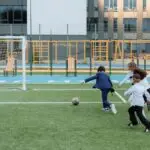
- Outdoor Activities: Football, basketball, swimming, cycling, hiking, gardening, picnicking, fishing.
- Indoor Activities: Reading, playing board games (e.g., chess, Ludo), watching movies, listening to music, dancing, cooking, painting, playing video games.
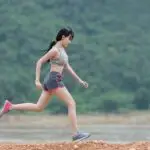
- Active Recreation: Sports, dancing, running, cycling.
- Passive Recreation: Reading, watching TV, listening to music, meditation.
Importance of Recreation
Engaging in recreational activities offers many benefits for individuals and the community. The following are some key reasons why recreation is important:
- Physical Health: Active recreation improves cardiovascular health, strengthens muscles, helps maintain a healthy weight, and boosts overall fitness.
- Mental Well-being: It helps reduce stress, anxiety, and depression by providing an outlet for relaxation and enjoyment. It also improves mood and cognitive function.
- Social Development: Many recreational activities involve group participation, fostering teamwork, communication skills, and building friendships.
- Personal Growth: It can help in developing new skills, discovering talents, and enhancing self-esteem and confidence.
- Stress Reduction: Recreation provides a break from daily routines and pressures, allowing the mind and body to relax and recharge.
- Improved Productivity: Taking time for recreation can lead to increased focus and productivity when returning to work or studies.
- Quality of Life: Overall, recreation contributes to a higher quality of life by promoting happiness, satisfaction, and a balanced lifestyle.
Teaching Methods/Instructional Techniques
Discussion, Lecture, Demonstration, Question and Answer, Visual Aids
Instructional Procedures
Step 1: Introduction
Time: 5 minutes
Teaching Skill: Set Induction
Teacher’s Activity: The teacher greets the pupils and asks them to mention some activities they enjoy doing during their free time.
Pupils’ Activity: Pupils respond by mentioning various activities like playing, reading, or watching TV.
Learning Point: Pupils are introduced to the concept of leisure activities.
Step 2: Definition of Recreation
Time: 7 minutes
Teaching Skill: Explanation/Definition
Teacher’s Activity: The teacher explains the meaning of recreation and relates it to the activities mentioned by the pupils.
Pupils’ Activity: Pupils listen attentively and ask questions for clarification.
Learning Point: Pupils learn the definition of recreation.
Step 3: Examples of Recreational Activities
Time: 8 minutes
Teaching Skill: Illustration/Categorization
Teacher’s Activity: The teacher presents various examples of recreational activities, categorizing them into indoor/outdoor or active/passive, using pictures and charts.
Pupils’ Activity: Pupils identify and discuss the examples provided, sharing their own experiences.
Learning Point: Pupils identify different types and examples of recreational activities.
Step 4: Importance of Recreation
Time: 10 minutes
Teaching Skill: Elaboration/Discussion
Teacher’s Activity: The teacher discusses the importance of recreation, highlighting its benefits for physical health, mental well-being, and social development.
Pupils’ Activity: Pupils contribute to the discussion and note down the key points on the importance of recreation.
Learning Point: Pupils understand the various benefits of engaging in recreation.
Step 5: Group Activity/Practical Application
Time: 5 minutes
Teaching Skill: Group Work/Demonstration
Teacher’s Activity: The teacher divides pupils into small groups and asks them to quickly brainstorm and share one recreational activity they enjoy and why.
Pupils’ Activity: Pupils discuss in groups and share their findings with the class.
Learning Point: Pupils apply their understanding of recreation and its importance.
Step 6: Class Activity/Note Copying
Time: 5 minutes
Teaching Skill: Note-taking
Teacher’s Activity: The teacher writes the board summary on the board and guides pupils to copy it into their notebooks.
Pupils’ Activity: Pupils carefully copy the notes from the board.
Learning Point: Pupils consolidate their learning through written notes.
Step 7: Evaluation/Review
Time: 5 minutes
Teaching Skill: Questioning/Assessment
Teacher’s Activity: The teacher evaluates the learning by asking the following questions:
- What is recreation?
- Mention three examples of outdoor recreational activities.
- List four reasons why recreation is important.
- How does recreation benefit your mental health?
Pupils’ Activity: Pupils answer orally and in writing.
Learning Point: Pupils demonstrate understanding of the lesson.
Step 8: Conclusion
Time: 2 minutes
Teaching Skill: Summarization
Teacher’s Activity: The teacher summarizes the lesson by reiterating the definition and importance of recreation and encourages pupils to engage in healthy recreational activities.
Pupils’ Activity: Pupils listen and ask any final questions.
Learning Point: The lesson is reinforced, and pupils are encouraged to practice what they have learned.
Lesson Keywords
- Recreation – Activities done for enjoyment and pleasure during leisure time.
- Leisure – Free time when one is not working or engaged in other duties.
- Relaxation – The state of being free from tension and anxiety.
- Exercise – Activity requiring physical effort, carried out to sustain or improve health and fitness.
Differentiation
For pupils who grasp concepts quickly, the teacher can challenge them to research and present on how specific recreational activities contribute to community development. For pupils who need more support, the teacher can provide simpler examples and use more visual aids during explanations, ensuring they can identify at least one example and one importance of recreation.
Note for teachers using this lesson plan
Teachers should encourage active participation by pupils and use relatable examples from their local environment. Emphasize that recreation is not just about sports but also includes various hobbies and relaxing activities. Ensure to manage time effectively for each step and provide positive reinforcement for pupils’ contributions.

Community Join the conversation Open discussion +