

Class: Junior Secondary School 3 (JSS3, JSS 3)
Term: 1st Term
Week: 6
Age: 14 years
Duration: 45 minutes
Subject: Basic Science And Technology
Curriculum Theme: Basic Technology
Previous Lesson: Definition, Types, Properties and Uses of Alloys
Topic: Processing Of Ceramics and Glass, Plastics And Rubber
Subject Matter: Methods of Processing ceramics and glass, Production and Uses Of ceramics and glass, Methods of processing plastics and rubber, Uses of plastics and rubber.
Specific Objectives
By the end of the lesson, pupils should be able to:
- Cognitive Domain:
(a) Describe the methods used in processing ceramics and glass.
(b) Explain the methods of processing plastics and rubber and state their uses. - Affective Domain:
(a) Appreciate the importance of ceramics, glass, plastics, and rubber in everyday life. - Psychomotor Domain:
(a) Identify and classify samples of ceramics, glass, plastics, and rubber based on their uses. - Social Domain:
(a) Work cooperatively in groups to discuss the advantages of using these materials in daily activities.
Reference Materials
The following resources was used in planning this lesson:
- 9 Years Basic Education Curriculum
- Lagos State Unified Scheme of work for Junior Secondary Schools.
- Redwood Plastics and Rubber – About Plastics and Rubber
- Relevant Textbooks
Instructional Materials
The teacher will teach this lesson with the aid of:
- Samples or pictures of ceramics, glass, plastics, and rubber materials
- Charts showing stages of production and processing
- Video clips or slides on industrial processing
- A model of an industrial furnace or kiln (if available)
- Whiteboard and marker
Rationale for the Lesson
This lesson enables students to understand how ceramics, glass, plastics, and rubber are processed and their importance in daily living and industrial development.
Prerequisite/Previous Knowledge
Pupils have previously learned about natural and synthetic materials and have seen or used products made from ceramics, glass, plastics, and rubber at home or school.
Lesson Content/Board Summary
Processing of Ceramics and Glass, Plastics and Rubber
Methods of Processing Ceramics
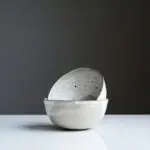
Ceramics are non-metallic materials made by shaping and heating clay and other natural substances at high temperatures to make them hard and durable.
The following are methods of processing ceramics:
- Preparation of Raw Materials: Clay and other ingredients like feldspar and silica are cleaned and mixed properly.
- Shaping: The mixture is molded into the desired shape using hand molding, potter’s wheel, or pressing.
- Drying: The shaped clay is air-dried to remove moisture.
- Firing: The dried items are heated in a kiln at high temperature to harden them.
- Glazing and Finishing: A glass-like coating is applied for smoothness, beauty, and protection.
Production and Uses of Ceramics
Ceramics are strong, heat-resistant materials used in homes, schools, and industries.
The following are some uses of ceramics:
- For making household items such as plates, cups, and flower vases.
- Used in building materials like tiles and bricks.
- In electrical industries for making insulators.
- Used in laboratories for crucibles and heat-resistant containers.
- Applied in art and decoration for pottery and sculptures.
Methods of Processing Glass
Glass is made from sand (silica), soda ash, and limestone melted together to form a transparent or colored solid.
The following are steps in processing glass:
- Batching: Measuring and mixing raw materials in correct proportions.
- Melting: The mixture is heated in a furnace until it melts.
- Forming: The molten glass is shaped by blowing, pressing, drawing, or rolling.
- Annealing: The formed glass is slowly cooled to prevent cracking.
- Finishing: The surface is polished, cut, or decorated.
Uses of Glass
Glass has a wide range of domestic and industrial applications.
The following are the uses of glass:
- Used for making bottles, windows, and mirrors.
- In laboratories for beakers, test tubes, and other apparatus.
- Used in making bulbs and lenses.
- For decoration and interior designs.
- In vehicles and buildings for transparent panels.
Methods of Processing Plastics
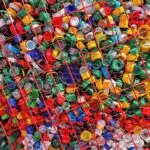
Plastics are synthetic materials made from chemicals derived mainly from petroleum. They can be shaped when soft and retain their form when cool.
The following are common methods of processing plastics:
- Injection Molding: Molten plastic is forced into molds to form items like buckets and toys.
- Blow Molding: Used for making hollow items like bottles.
- Extrusion: Plastic is melted and pushed through a die to form long shapes like pipes.
- Compression Molding: Plastic powder is pressed and heated to form products like plates.
- Calendering: Produces thin sheets such as plastic films.
Uses of Plastics
Plastics are lightweight, durable, and widely used in modern life.
The following are uses of plastics:
- For packaging materials like containers, bags, and bottles.
- Used in making furniture, toys, and household items.
- In electrical appliances for insulation.
- Used in automobile parts and construction.
- Applied in medicine for syringes and disposable tools.
Methods of Processing Rubber
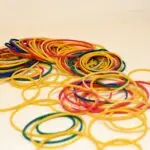
Rubber is a flexible material obtained naturally from latex of rubber trees or made synthetically from chemicals.
The following are methods of processing rubber:
- Collection of Latex: Latex is collected from rubber trees.
- Coagulation: Acid is added to latex to form rubber lumps.
- Washing: The lumps are washed to remove dirt and acid.
- Rolling: Rubber is pressed into sheets using rollers.
- Drying: The sheets are dried in the sun or smokehouse.
- Vulcanization: Rubber is heated with sulfur to improve strength and elasticity.
Uses of Rubber
Rubber has various domestic and industrial uses due to its elasticity and strength.
The following are the uses of rubber:
- For making tyres, belts, and hoses.
- Used in footwear and gloves.
- In vehicles as seals and vibration absorbers.
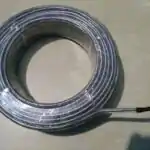
- Used for insulation in electrical appliances.
- In sports equipment like balls and mats.
Teaching Methods/Instructional Techniques:
Discussion, Lecture, Explanation, Demonstration, Question and Answer, Group Work, Use of Visual Aids
Instructional Procedures
To deliver this lesson, the teacher will adopt the following steps:
Step 1: Introduction
Time: 5 minutes
Teaching Skill: Set Induction
Teacher’s Activity: Teacher shows pupils samples of ceramics, glass, plastics, and rubber products and asks them to identify common uses.
Pupils’ Activity: Pupils observe and respond with examples of each material they know.
Learning Point: Pupils become aware of different processed materials used in daily life.
Step 2: Processing of Ceramics and Glass
Time: 10 minutes
Teaching Skill: Explanation
Teacher’s Activity: Teacher explains the methods used in processing ceramics and glass using charts and pictures.
Pupils’ Activity: Pupils listen, take notes, and ask questions.
Learning Point: Pupils understand how ceramics and glass are processed and their uses.
Step 3: Processing of Plastics and Rubber
Time: 10 minutes
Teaching Skill: Discussion
Teacher’s Activity: Teacher explains and discusses the various processing methods and uses of plastics and rubber.
Pupils’ Activity: Pupils participate in discussion and identify examples from everyday life.
Learning Point: Pupils learn about how plastics and rubber are made and used.
Step 4: Practical Observation
Time: 10 minutes
Teaching Skill: Demonstration
Teacher’s Activity: Teacher displays samples of the materials and explains how each was processed, showing short videos or slides where possible.
Pupils’ Activity: Pupils observe attentively and relate their experiences.
Learning Point: Pupils can differentiate between processed ceramics, glass, plastics, and rubber.
Step 5: Note-Taking
Time: 5 minutes
Teaching Skill: Explanation
Teacher’s Activity: Teacher dictates or writes the summarized notes on the board.
Pupils’ Activity: Pupils copy notes into their exercise books.
Learning Point: Pupils record and retain the key points of the lesson.
Step 6: Evaluation/Review
Time: 3 minutes
Teaching Skill: Questioning
Teacher’s Activity: The teacher evaluates the learning by asking the following questions:
- Mention three methods of processing ceramics.
- State three uses of glass.
- Describe one method of processing plastics.
- List two uses of rubber.
Pupils’ Activity: Pupils answer the questions orally.
Learning Point: Pupils demonstrate understanding of the lesson objectives.
Step 7: Conclusion
Time: 2 minutes
Teaching Skill: Reinforcement
Teacher’s Activity: Teacher summarizes the main points and emphasizes the importance of these materials in modern living.
Pupils’ Activity: Pupils listen and reflect on the importance of the lesson.
Learning Point: Pupils appreciate the value of processed materials.
Lesson Keywords
- Ceramics – materials made from clay and hardened by heat.
- Glass – transparent solid material made from melted sand and chemicals.
- Plastics – synthetic materials made from petroleum products.
- Rubber – elastic material from latex or synthetic sources.
- Vulcanization – heating rubber with sulfur to make it stronger and elastic.
Differentiation
The teacher supports slower learners with visual aids and simple demonstrations, while advanced learners research additional uses of processed materials.
Note for teachers using this lesson plan
Encourage active participation through group discussions and ensure safe handling of materials. Relate examples to students’ environment for better understanding.
Community Join the conversation Open discussion +