

Class: Primary 4
Term: 2nd Term
subject: National Values Education
Curriculum Theme: Civic Education
Previous Lesson: Meaning Of A Nation
Topic: Characteristics Of A Nation
Content/Learning Area: Common territory and symbols, common languages, customs and traditions, etc.
Time Allocation: 40 minutes
Performance objectives
By the end of the lesson, pupils should be able to:
- Cognitive Domain: Identify and list the characteristics of a nation.
- Affective domain: Appreciate the importance of unity in promoting national identity.
- Psychomotor Domain: Draw or display symbols that represent their nation.
- Social Domain: share examples of customs or traditions unique to their nation.
Reference Materials
The following resources were used in planning this lesson:
- 9–Years Basic Education Curriculum, Abuja
- Educational Resource Center Scheme of Work
- NAPPS national Unified Scheme of Work
- Online facts from: Britannica – Nation-state | Definition, Characteristics, & Politics
- Relevant Textbooks
Instructional Materials
To deliver this lesson, the teacher will use the following materials:
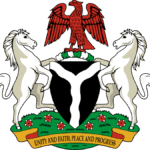
- Pictures of national symbols (flag, coat of arms, etc.)
- Map showing national boundaries
- Flashcards with national customs and traditions
- Drawing materials (paper, pencils, and crayons)
Rationale for the Lesson
Understanding the characteristics of a nation helps pupils appreciate their country’s identity, culture, and the importance of unity in fostering national pride.
Prerequisite/Previous Knowledge
Pupils are familiar with the meaning of a nation and can recognize its basic components such as people and territory.
Lesson Content
Characteristics Of A Nation
A nation is a large community of people united by a common identity. This identity can include shared territory, culture, and symbols.
some characteristics of a nation include:
- Common Territory: A nation has defined boundaries that everyone recognizes.
- National Symbols: Items like the flag and coat of arms represent a nation.
- common Language: Most nations have one or more official languages.
- Shared Customs and Traditions: These define how people live and celebrate.
- National Government: A nation is governed by its leaders and constitution.
- National Pride: Citizens feel proud of their identity and achievements.
- economic System: Nations have a system to manage resources and trade.
- Unity: People in a nation live together peacefully and work for common goals.
Teaching Methods
To deliver this lesson, the teacher will adopt the following methods: Questioning, Visual Aids, Discussion, Illustration, Guided Activity, Group Work, Explanatory, Writing, Interactive, Oral Questioning, Recap, Summary.
Instructional Procedures
To deliver this lesson, the teacher will adopt the following steps:
Step 1: Introduction
Time: 5 mins
Teaching Skill: set Induction
Teacher’s Activity: Show pictures of national symbols and ask pupils what thay represent.
Pupils’ activity: Respond to teacher’s questions.
Step 2: Explanation
Time: 10 mins
Teaching Skill: discussion
Teacher’s Activity: Explain the concept of a nation and its characteristics with examples.
Pupils’ Activity: listen and ask questions for clarity.
Step 3: Interaction
Time: 10 mins
Teaching Skill: Guided Activity
Teacher’s Activity: Guide pupils to form groups and discuss customs and traditions unique to their community.
Pupils’ Activity: Share examples of customs and traditions in groups.
Step 4: Note-Taking
Time: 5 mins
Teaching Skill: Explanatory
Teacher’s activity: Write the lesson content on the board for pupils to copy.
Pupils’ Activity: Copy the notes into their books.
step 5: Evaluation/Review
Time: 5 mins
Teaching Skill: Interactive
Teacher’s Activity: Ask questions to assess pupils’ understanding.
Pupils’ Activity: Answer questions orally.
Objective-aligned checks:
- Identify and list the characteristics of a nation.
- Draw or display symbols that represent their nation.
Step 6: Conclusion
Time: 5 mins
Teaching skill: Recap
teacher’s Activity: Summarize the lesson and reinforce key points.
Pupils’ Activity: Listen and ask questions if unclear.
Lesson Keywords
- Nation – A large community of people united by common identity.
- territory – A defined area of land belonging to a nation.
- Symbols – Objects or images representing a nation.
- Customs – Conventional practices and behaviors of a nation.
- Traditions – Beliefs and rituals passed down through generations.
- Unity – The state of being united or joined as a whole.
- Government – The system by which a nation is controlled.
- Pride – A feeling of deep pleasure or satisfaction derived from one’s own achievements.
Lesson Evaluation
To evaluate the learning, the teacher asks pupils to:
- List three characteristics of a nation.
- Mention two examples of national symbols.
- Explain why customs and traditions are important for a nation.
- Draw and label one national symbol.
- share one tradition unique to their community.
Assignment/Homework
- Research and write about a national symbol of Nigeria.
- Interview a family member about a traditional festival in your community and write a short paragraph about it.
- Draw the map of Nigeria and label its neighboring countries.
Differentiation
- for slower learners: Provide simplified notes and visual aids. Pair them with advanced learners for peer support.
- For advanced learners: Assign them to research and present on the ancient importance of national symbols.
- For visual learners: Use colorful maps, pictures, and videos to illustrate the characteristics of a nation.
- For auditory learners: Engage them in discussions and storytelling about national customs and traditions.
- For kinesthetic learners: Organize a role-playing activity where pupils act out different aspects of national life.
Note for Teachers
encourage pupils to share their ideas freely and appreciate diverse cultural practices. Use visuals to make the topic engaging and relatable. Happy teaching!


Community Join the conversation Open discussion +