

Class: Junior Secondary School 3 (JSS3, JSS 3)
Term: 1st Term
Week: 8
Age: 14 years
Duration: 45 minutes
Subject: Cultural And Creative Arts
Curriculum Theme: Cultural And Creative Arts
Previous Lesson: Display Techniques and Methods of Preparing Artwork for Exhibition
Topic: Exhibition
Subject Matter: Meaning of exhibition, Types of exhibition: Solo, Juried, Commercial, Non-commercial, Group
Specific Objectives
By the end of the lesson, pupils should be able to:
- Cognitive Domain:
(a) Explain the meaning of exhibition in Cultural and Creative Arts.
(b) Identify and describe the types of exhibition. - Affective Domain:
(a) Appreciate the importance of exhibitions in promoting art and culture. - Psychomotor Domain:
(a) Organize and display their artworks neatly as part of a class mini-exhibition. - Social Domain:
(a) Work cooperatively with classmates to arrange and present artworks in groups.
Reference Materials
The following resources was used in planning this lesson:
- 9 Years Basic Education Curriculum
- Lagos State Unified Scheme of work for Junior Secondary Schools
- Wikipedia – Art exhibition
- Relevant Textbooks
Instructional Materials
The teacher will teach this lesson with the aid of:
- Posters or pictures of art exhibitions
- Chart showing types of exhibitions
- Students’ artworks or craft samples
- Projector or laptop (for visual examples)
- Art display tables and labels
Rationale for the Lesson
This lesson helps pupils understand the purpose and organization of art exhibitions and how they promote creativity, appreciation, and communication in visual arts.
Prerequisite/Previous Knowledge
Pupils have previously created artworks and participated in school art displays, giving them basic awareness of showcasing creative works.
Lesson Content/Board Summary
Exhibition
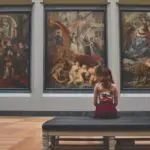
An exhibition is an organized public display of artworks or creative products. It provides artists with an opportunity to present their works to an audience for appreciation, criticism, and sale.
Meaning of Exhibition
Exhibition refers to the organized presentation of artistic or creative works such as paintings, crafts, sculptures, textiles, or photographs for public viewing. Exhibitions are often held in art galleries, schools, museums, or open spaces.
The following are key purposes of exhibitions:
- To promote art appreciation and creativity.
- To showcase artists’ talents and ideas.
- To encourage exchange of artistic knowledge.
- To generate income through the sale of artworks.
- To educate and inform the public about art and culture.
Types of Exhibition
There are various kinds of exhibitions depending on the purpose, participants, and organization.
The following are the main types of exhibitions:
- Solo Exhibition: This is an exhibition organized by a single artist to display his or her artworks exclusively. It helps to promote the artist’s name and personal style.
- Group Exhibition: This type of exhibition features works of several artists presented together. It encourages teamwork, artistic interaction, and shared publicity.
- Juried Exhibition: In this type, a panel of judges selects artworks based on certain standards. It is usually competitive and aims to reward creativity and excellence.
- Commercial Exhibition: This type is mainly for selling artworks to collectors or the general public. Art galleries and private companies often organize it.
- Non-Commercial Exhibition: It is organized for educational or cultural purposes, not for profit. Schools and museums commonly host such exhibitions to teach and inspire.
Importance of Exhibition
Exhibitions play an essential role in art and culture. They connect artists to the public and promote creative development.
The following are the importance of exhibitions:
- They provide a platform for artists to express their ideas.
- They help discover and promote new talents.
- They create opportunities for art appreciation and criticism.
- They educate people about cultural values and traditions.
- They contribute to social and economic growth through art marketing.
Teaching Methods/Instructional Techniques:
Discussion, Lecture, Explanation, Demonstration, Group Work, Question and Answer, Visual Aids
Instructional Procedures
To deliver this lesson, the teacher will adopt the following steps:
Step 1: Introduction
Time: 5 minutes
Teaching Skill: Set Induction
Teacher’s Activity: The teacher begins the lesson by asking pupils if they have ever attended or seen an art exhibition. Teacher displays pictures of exhibitions.
Pupils’ Activity: Pupils respond and share their experiences.
Learning Point: Pupils develop curiosity and interest in the topic “Exhibition.”
Step 2: Explanation of the Meaning of Exhibition
Time: 10 minutes
Teaching Skill: Explanation
Teacher’s Activity: The teacher explains the meaning and purpose of exhibitions using simple examples and visual aids.
Pupils’ Activity: Pupils listen attentively and ask questions.
Learning Point: Pupils understand what an exhibition means and its significance in art.
Step 3: Discussion on Types of Exhibition
Time: 10 minutes
Teaching Skill: Discussion
Teacher’s Activity: The teacher explains and describes the different types of exhibitions using a chart and examples.
Pupils’ Activity: Pupils identify and discuss the types of exhibitions.
Learning Point: Pupils learn the major types of exhibitions and their differences.
Step 4: Class Activity and Demonstration
Time: 10 minutes
Teaching Skill: Demonstration
Teacher’s Activity: The teacher guides pupils to arrange a simple class mini-exhibition using their artworks.
Pupils’ Activity: Pupils participate actively in setting up and organizing the display.
Learning Point: Pupils demonstrate understanding by practically organizing a mini-exhibition.
Step 5: Note-Taking
Time: 5 minutes
Teaching Skill: Explanation
Teacher’s Activity: The teacher writes or dictates the lesson summary for pupils to copy.
Pupils’ Activity: Pupils copy the notes into their books.
Learning Point: Pupils have a written record of the key points discussed.
Step 6: Evaluation/Review
Time: 3 minutes
Teaching Skill: Questioning
Teacher’s Activity: The teacher evaluates the learning by asking the following questions:
- What is an exhibition?
- Mention and explain three types of exhibitions.
- List three importance of exhibitions in art.
Pupils’ Activity: Pupils respond to questions orally.
Learning Point: Pupils demonstrate understanding of the lesson objectives.
Step 7: Conclusion
Time: 2 minutes
Teaching Skill: Reinforcement
Teacher’s Activity: Teacher summarizes the lesson and encourages pupils to visit art galleries or take part in exhibitions.
Pupils’ Activity: Pupils listen attentively and show appreciation for the lesson.
Learning Point: Pupils appreciate exhibitions as an important part of art and cultural promotion.
Lesson Keywords
- Exhibition – a public display of artworks or creative products
- Solo Exhibition – an exhibition by one artist only
- Group Exhibition – exhibition featuring works of many artists
- Juried Exhibition – exhibition judged by experts or a panel
- Commercial Exhibition – exhibition organized mainly for selling artworks
Differentiation
Teacher supports slower learners with visual aids and examples while encouraging fast learners to assist peers and lead mini-exhibition arrangements.
Note for teachers using this lesson plan
Ensure pupils’ artworks are properly handled and displayed. Encourage creativity and teamwork during class demonstrations. Relate the lesson to real-life exhibitions in Nigeria.



Community Join the conversation Open discussion +