

Class: Primary Five
Term: first Term
Subject: National Values Education
Curriculum Theme: Security Education
Previous Lesson: Ways of Securing Our Neighborhood
topic: Modern Security
Content/Learning Area: Functions, Examples, and Importance of Modern Security
Time Allocation: 40 minutes
Performance Objectives
By the end of the lesson, pupils should be able to:
- Cognitive Domain: Understand the functions of modern security.
- Affective Domain: appreciate the importance of modern security in their daily lives.
- Psychomotor Domain: Identify different modern security measures in their surroundings.
- Social Domain: Discuss the role of modern security in preventing crime and protecting information.
Reference Materials
- Roles of Security Agents, Youths and Elders in the Neighborhood
- Observing Our Neighbors’ Movements
- Uses of Computer in the Bank
- Need for Security Education
- National Security
- Recruitment of Security Agents
Instructional Materials
To deliver this lesson, the teacher will employ the help of the following materials: Charts illustrating modern security measures, pictures of security gadgets, and a model of a security system.
Rationale for the Lesson
This lesson introduces pupils to modern security, highlighting it’s importance in protecting lives, property, and information in today’s world.
Prerequisite/Previous Knowledge
Pupils are familiar with basic security concepts and the importance of safety in their environment.
Lesson Content
Modern security refers to the advanced tools and systems used to protect us from threats,including alarms,cameras,and cybersecurity measures. These systems are essential for preventing crime, protecting information, and ensuring safety.
Functions of Modern Security
Modern security systems perform several critical functions to protect individuals and assets. These include:
The following are functions of modern security:
- Deterrence: Scares off criminals by making it clear they could get caught.
- Detection: Finds and alerts us to suspicious activities or unauthorized access.
- Response: Quickly reacts to threats,such as by notifying authorities.
- Prevention: Stops unauthorized access or data breaches before they happen.
- Investigation: Aids in identifying perpetrators and gathering evidence after a security breach.
- Monitoring: Continuously observes activities to identify potential threats and ensure safety.
Examples of Modern Security
Modern security measures encompass a wide range of technologies and practices designed to protect peopel and property. These include:
Examples of modern security are:
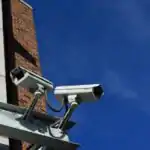
- Surveillance and Monitoring: Cameras and sensors keep an eye on activities to spot any unusual behavior.
- Access Control: Only authorized people can enter certain areas, like using keycards in hotels.
- Alarm Systems: Alarms alert us when something is wrong,like when smoke is detected by a fire alarm.
- Cybersecurity: Protects our online information from hackers, like using strong passwords and installing antivirus on computers.
- Biometric Systems: Uses unique biological traits like fingerprints or facial recognition for identification and access control.
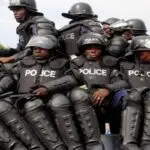
- Security Personnel: Trained guards and security officers who patrol and respond to security incidents.
Importance of Modern Security
Modern security is crucial for maintaining safety, protecting assets, and ensuring peace of mind in various settings. These include:
the following points highlight the importance of modern security:
- Crime Prevention: Visible security measures discourage criminals.
- Information Protection: Cybersecurity keeps our personal data safe.
- Emergency Response: Alarms and alerts ensure speedy responses to dangers.
- Peace of Mind: Knowing we’re protected makes us feel safe.
- Asset Protection: Safeguards valuable possessions and resources from theft or damage.
- Business Continuity: Ensures that businesses can continue operating even in the face of security threats.
Teaching Methods
To deliver this lesson, the teacher will adopt the following methods: Discussion, Explanation, Visual Aids, Question and Answer.
Instructional Procedures
To deliver this lesson, the teacher will adopt the following steps:
Step 1: Introduction (Set Induction)
Time: 5 minutes
Teaching Skill: Set induction
Teacher’s Activity: Begins by asking pupils about different ways they keep themselves safe at home and in school.
pupils’ Activity: Share their experiences and ideas about personal safety and security.
Step 2: Explaining Modern Security
Time: 10 minutes
Teaching Skill: Explanation
Teacher’s Activity: Explains what modern security is, using examples pupils can relate to, such as security cameras in their school or neighborhood.Pupils’ Activity: Listen attentively and ask questions to clarify their understanding.
Step 3: Functions of Modern Security
Time: 10 minutes
Teaching Skill: Discussion
teacher’s Activity: Discusses the functions of modern security, such as deterrence, detection, response, and prevention, providing real-life examples.
Pupils’ Activity: Participate in the discussion, providing examples of how these functions work in their daily lives.
Step 4: Examples of Modern Security Measures
Time: 10 minutes
Teaching Skill: Visual Aids
Teacher’s Activity: Shows pictures and models of modern security measures like surveillance cameras, access control systems, and cybersecurity tools.
Pupils’ Activity: Observe the visual aids and ask questions about how each security measure works.
Step 5: Note-Taking
Time: 3 minutes
Teaching Skill: Summarization
Teacher’s Activity: Guides pupils to write down the key points discussed in the lesson.
Pupils’ Activity: Write the notes in their notebooks.
Step 6: Evaluation/Review
Time: 2 minutes
Teaching Skill: Assessment
Teacher’s Activity: Asks questions to assess pupils’ understanding of the lesson.
Pupils’ Activity: Answer the questions to demonstrate their understanding.
Step 7: conclusion
Time: 2 minutes
Teaching Skill: Closure
Teacher’s activity: Summarizes the main points of the lesson and encourages pupils to apply what they have learned in their daily lives.
Pupils’ Activity: Listen to the summary and ask any remaining questions.
Lesson Keywords
- Modern Security – Advanced tools and systems used to protect us from threats.
- Deterrence – Discouraging criminal activity through visible security measures.
- Detection – identifying and alerting to suspicious activities or unauthorized access.
- Cybersecurity – Protecting online information from hackers and data breaches.
- Access Control – Restricting entry to authorized personnel only.
Lesson Evaluation
To evaluate the learning, the teacher asks pupils to:
- What is modern security?
- Name two functions of modern security.
- Why is cybersecurity critically important?
- How does an alarm system help in security?
- Give an exmaple of access control.
Assignment/Homework
- List five examples of modern security measures you see in your community.
- Explain why it is important to have security measures in place at home and in school.
- Research and write a short paragraph on how cybersecurity helps protect individuals and businesses.
Differentiation
- For slower learners: Provide simplified explanations and visual aids,and allow extra time for completing tasks.
- For advanced learners: Encourage them to research and present on emerging security technologies and their applications.
- For visual/auditory/kinesthetic learners: Use a variety of visual aids, discussions, and hands-on activities to cater to different learning styles.
Note for Teachers
Ensure to use real-life examples and visual aids to make the lesson engaging and relatable for the pupils. Encourage active participation and questions to enhance understanding.


Community Join the conversation Open discussion +