

Class: Primary Five
Term: First Term
subject: National Values Education
Curriculum Theme: Security Education
Previous Lesson: Consequences Of Failure To Report Danger
Topic: Securing Our Neighborhood
Content/Learning Area: Ways of Securing Our Neighborhood
Time Allocation: 40 minutes
Performance Objectives
By the end of the lesson, pupils should be able to:
- Cognitive Domain: list and describe different ways to secure the neighborhood.
- Affective Domain: Appreciate the importance of environmental security and show a positive attitude towards safeguarding it.
- Psychomotor Domain: Demonstrate practical steps to secure their surroundings, such as locking doors.
- Social Domain: Report suspicious activities to appropriate authorities or elders.
Reference Materials
- Standard National Values education Textbook for Primary 5
- Relevant sections on community safety and security
- Online resources on neighborhood watch programs:
– Concept of Security (Primary 1)
– Lesson note on National Security for Primary 1
– Lesson Note On Community Sanitation (Primary 3)
Instructional Materials
To deliver this lesson,the teacher will employ the help of the following materials:
- Pictures or posters illustrating safety measures.
- sample locks and keys for presentation.
- Charts listing emergency contact numbers.
- Handout with safety tips for pupils to take home.
Rationale for the Lesson
This lesson is crucial to instill in pupils the importance of community safety and their role in maintaining a secure environment. It equips them with practical knowledge and skills to protect themselves and their surroundings.
Prerequisite/previous knowledge
pupils should be familiar with the concept of safety and security in their homes and schools.
Lesson Content
Ways of Securing Our Neighborhood
securing our neighborhood involves taking proactive measures to protect ourselves and our surroundings from potential dangers. These measures help create a safer and more peaceful community for everyone.
The following are ways to secure our neighborhood:
- Locking doors and windows: Always ensure that doors and windows are locked when not in use. This prevents unwanted entry and keeps our homes safe.
- Reporting suspicious activities: If you see something that seems unusual or dangerous, it’s vital to tell an adult or call the authorities. This could include strangers lurking around, broken windows, or anything that makes you feel uneasy.
- Keeping the environment clean: A tidy environment helps in avoiding hazards and making it easier to spot problems. Picking up trash, clearing overgrown bushes, and keeping walkways clear can make our neighborhood safer.
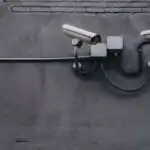
- Using security devices: Employing alarms and cameras can help in monitoring and protecting premises. These devices can deter criminals and provide evidence if something happens.
- Educating others: Share safety tips with friends and family to enhance community security. By spreading awareness, we can create a safer environment for everyone.
- Participating in neighborhood watch programs: Joining or forming a neighborhood watch group can enhance security through collective vigilance and cooperation.
- Installing proper lighting: Adequate lighting around homes and streets can deter criminals and make the neighborhood safer at night.
- Maintaining fences and gates: Ensuring that fences and gates are in good repair can prevent unauthorized access to properties.
- Knowing your neighbors: Building relationships with neighbors can foster a sense of community and mutual support, enhancing overall security.
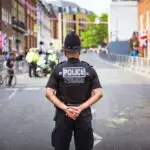
- Supporting local law enforcement: Cooperating with and supporting local police can definitely help maintain law and order in the neighborhood.
Teaching Methods
To deliver this lesson, the teacher will adopt the following methods: Discussion, Description, Demonstration, Storytelling, Visual Aids, Role-Playing.
Instructional Procedures
To deliver this lesson, the teacher will adopt the following steps:
Step 1: Introduction (Set Induction)
Time: 5 minutes
Teaching Skill: Set Induction
Teacher’s Activity: Begins by asking pupils about their understanding of safety and security at home. The teacher shares a brief story about a community that became safer through collective effort.
Pupils’ Activity: Pupils share their experiences and listen attentively to the teacher’s story.
Step 2: Explaining Ways to Secure the Neighborhood
time: 10 minutes
Teaching Skill: Explanation
Teacher’s Activity: Explains the meaning of securing the neighborhood and lists various ways to do so,such as locking doors,reporting suspicious activities,and keeping the environment clean.Pupils’ Activity: Pupils listen attentively and ask questions for clarification.
Step 3: Demonstrating Practical Security Measures
Time: 10 minutes
Teaching Skill: Demonstration
Teacher’s Activity: Demonstrates how to properly lock doors and windows. The teacher also shows examples of suspicious activities and how to report them.
Pupils’ Activity: Pupils observe the demonstration and practice locking doors and windows.
Step 4: Role-Playing security Scenarios
Time: 10 minutes
Teaching Skill: Role-Playing
Teacher’s Activity: Organizes pupils into groups to role-play different security scenarios, such as reporting a stranger or cleaning up the environment.
Pupils’ Activity: Pupils participate in role-playing activities, acting out different security scenarios.
Step 5: Note-Taking
Time: 3 minutes
Teaching Skill: Summarization
Teacher’s Activity: Guides pupils to summarize the main points of the lesson in their notebooks.
Pupils’ Activity: Wriet down the key points in their notebooks.
Step 6: Evaluation/Review
Time: 5 minutes
Teaching Skill: Assessment
Teacher’s Activity: Asks questions to assess pupils’ understanding of the lesson.
Pupils’ Activity: Answer the questions asked by the teacher.
Objective-aligned checks:
- list and describe different ways to secure the neighborhood.
- Demonstrate practical steps to secure their surroundings, such as locking doors.
Step 7: Conclusion
Time: 2 minutes
Teaching Skill: Closure
Teacher’s Activity: Summarizes the lesson and encourages pupils to apply what they have learned in their daily lives.
pupils’ Activity: Listen to the summary and ask any remaining questions.
Lesson Keywords
- Security – The state of being free from danger or threat.
- Neighborhood – The area where people live and interact.
- Suspicious Activities – Unusual or questionable actions that may indicate a potential threat.
- Environmental Security – Protecting the environment to ensure safety and well-being.
- Community – A group of people living in the same place or having a particular characteristic in common.
Lesson Evaluation
To evaluate the learning, the teacher asks pupils to:
- List at least three ways to secure the neighborhood.
- Explain why it is important to report suspicious activities.
- Demonstrate how to lock a door properly.
- Describe one method to keep your surroundings clean and safe.
- What are some ways you can work with your neighbors to make your neighborhood safer?
- Why is it important to be aware of your surroundings?
- What should you do if you see someone trying to break into a house?
- how can you help to prevent crime in your neighborhood?
- What are some things you can do to make your home more secure?
Assignment/Homework
- Interview a community leader or security personnel about the security measures in your neighborhood.
- Write a short essay on the importance of community participation in ensuring neighborhood security.
- create a poster illustrating safety tips for securing the neighborhood.
Differentiation
- For slower learners: Provide simplified notes and one-on-one assistance during activities.
- For advanced learners: Encourage them to research and present additional ways to secure the neighborhood.
- For visual/auditory/kinesthetic learners: Use visual aids, discussions, and hands-on activities to cater to different learning styles.
Note for Teachers
Emphasize the importance of practical application and encourage pupils to take responsibility for their safety and the security of their community. Remind them to always involve adults when dealing with suspicious activities or potential dangers.


Community Join the conversation Open discussion +